

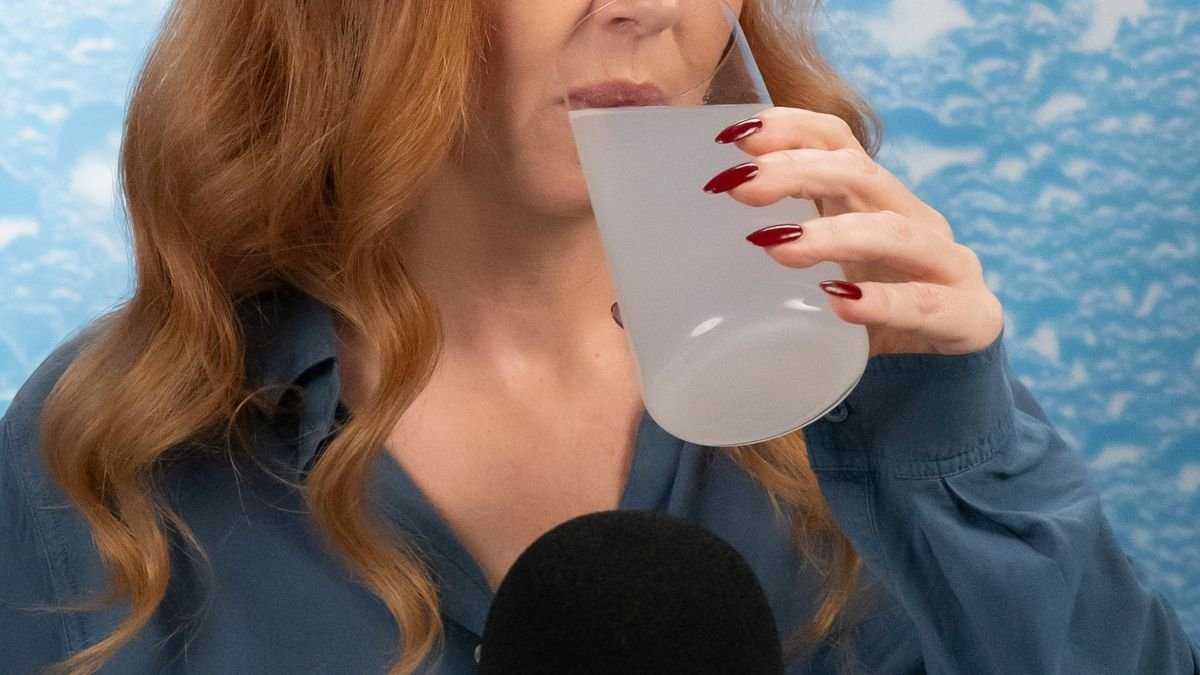

A recent study revealed that 95% of individuals tend to consume less water during the early months of the year compared to the peak consumption period in July. The survey, which involved 2,000 adults and was conducted by Hydration Booster by Gatorade, highlighted that two-thirds of participants find it challenging to remember to stay hydrated at the beginning of the year. Surprisingly, almost half of the respondents were unaware that cold weather can suppress the body’s natural thirst signals.
According to the study, 51% of individuals experience reduced thirst during colder weather, while 33% find it difficult to drink cold water in winter. Despite 64% of participants including “drinking more water” in their New Year’s resolutions, a staggering 84% still fail to consume the recommended daily intake of two liters of water.
Interestingly, the way people hydrate is influenced by various behavioral cues. More than 60% of Brits feel compelled to drink water after hearing someone else do so, and half of the respondents stated that the sound of water, whether from a dripping tap or a running bath, triggers their thirst.
To address these hydration challenges, Hydration Booster introduced the innovative ‘Thirst Trap’ alarm, supported by ASMR creator Emma Smith. This unique track incorporates sensory-rich cues like the sound of pouring water and the first refreshing sip to encourage hydration.
Psychologist Dr. Tara Quinn-Cirillo, who contributed to the ASMR alarm’s design, explained the importance of sensory cues in triggering hydration, especially in environments where natural thirst signals are suppressed, such as cold weather. Dr. Vlad Sabou from the Gatorade Sport Science Institute emphasized the significance of maintaining proper hydration year-round for optimal cognitive and physical performance. He highlighted that many people are unaware that cold weather can diminish the sensation of thirst, leading to inadequate fluid intake, which can impact energy levels, mood, alertness, and physical performance.
Ensuring adequate hydration is crucial, as even a minor 2-3% decrease in body water levels can result in increased fatigue and reduced cognitive and physical capabilities.