

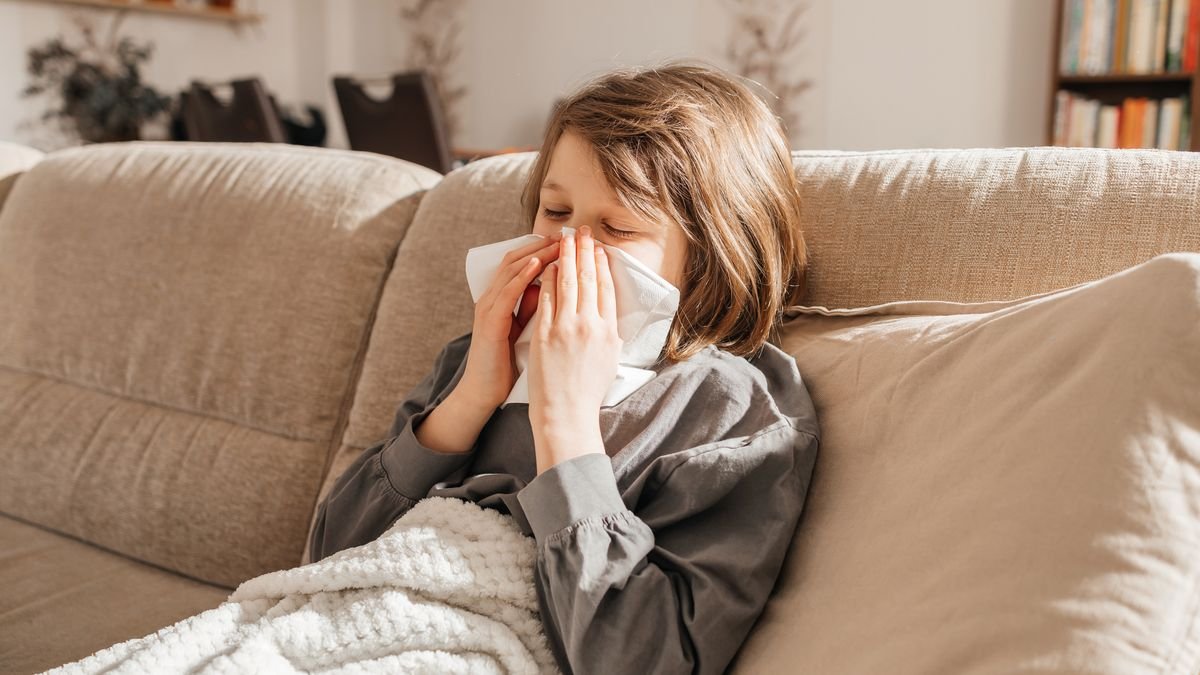

While the United Kingdom is observing a stabilization in flu cases following a period of significant week-on-week rises, the National Health Service (NHS) is still seeing high numbers of hospitalizations due to winter viruses. Recent government data indicates that flu-related hospital admissions are now at a moderate level, while Covid-19 hospitalizations remain at a ‘baseline’ level.
The leveling off of severe illness and hospitalization from viruses is partially attributed to the efforts of NHS personnel, who have administered vaccinations to an additional half a million individuals against the flu compared to the same period last year. Despite this progress, hospitals have reported being consistently busy throughout the winter season, with statistics from December 31 showing that approximately 95% of adult beds are occupied, with an average of 94,118 patients admitted daily.
Data from the same timeframe also shows that, on average, there were 707 Covid patients and 285 norovirus patients in hospitals in the preceding week. Although the spread of winter viruses is not as intense as it was leading up to the Christmas and New Year holidays, the risk of contracting and transmitting respiratory illnesses still exists.
Nevertheless, the UK Health Security Agency (UKHSA) has issued extensive guidance on preventing and managing the spread of such illnesses. The agency emphasizes the continued importance of face coverings in limiting the transmission of respiratory diseases like flu and Covid-19.
According to the UKHSA, wearing a properly fitted mask can help reduce the release of virus-laden droplets from the mouth and nose into the air, thereby mitigating the spread of infections. Additionally, face coverings can offer protection against direct exposure to respiratory pathogens.
The flu vaccine works by priming your immune system to recognize and combat the influenza virus before it takes hold. By introducing a small amount of inactivated flu virus into your system, the vaccine triggers your natural defenses to respond.
After receiving the vaccine, it typically takes around 10 days for it to become fully effective and provide adequate protection. It is crucial to understand that while the vaccine contains inactive flu virus, it cannot cause you to contract the flu.
If you require extra protection or live with someone who does, you may be eligible for the vaccine. There are various ways to access a free flu jab, such as contacting your GP directly to schedule a vaccination appointment or booking through a pharmacy online or via the NHS app if you are over 18. Some pharmacies offer the NHS vaccine at no cost and accept walk-ins without prior appointments.
Although not all pharmacies provide this service, you can locate nearby pharmacies offering the free vaccine through a provided link. Further information on the flu vaccine, including its ingredients, can be found on the NHS website.
If you experience symptoms of a virus, such as a congested nose, high fever, nausea, or diarrhea, it is advisable to stay home as much as possible until you recover. In many cases, you are less likely to be contagious approximately 24 hours after your symptoms improve.
However, even if you feel better, your body may not have completely cleared the virus, and you could still transmit it to others. The UKHSA stresses that opening windows for ventilation while indoors can help prevent the spread of contagious viruses by dispersing stale air and any air containing virus particles.
Before ventilating, it is essential to ensure no one present is sensitive to cold temperatures and to monitor the room’s overall warmth. Adhering to basic hygiene practices can significantly reduce the risk of transmitting viruses, particularly those spread through droplets from sneezing or coughing.
The UKHSA recommends coughing into your elbow or using a tissue and promptly disposing of it before washing your hands. When washing your hands, it is best to use warm water and soap whenever possible and regularly clean frequently touched surfaces like door handles.