

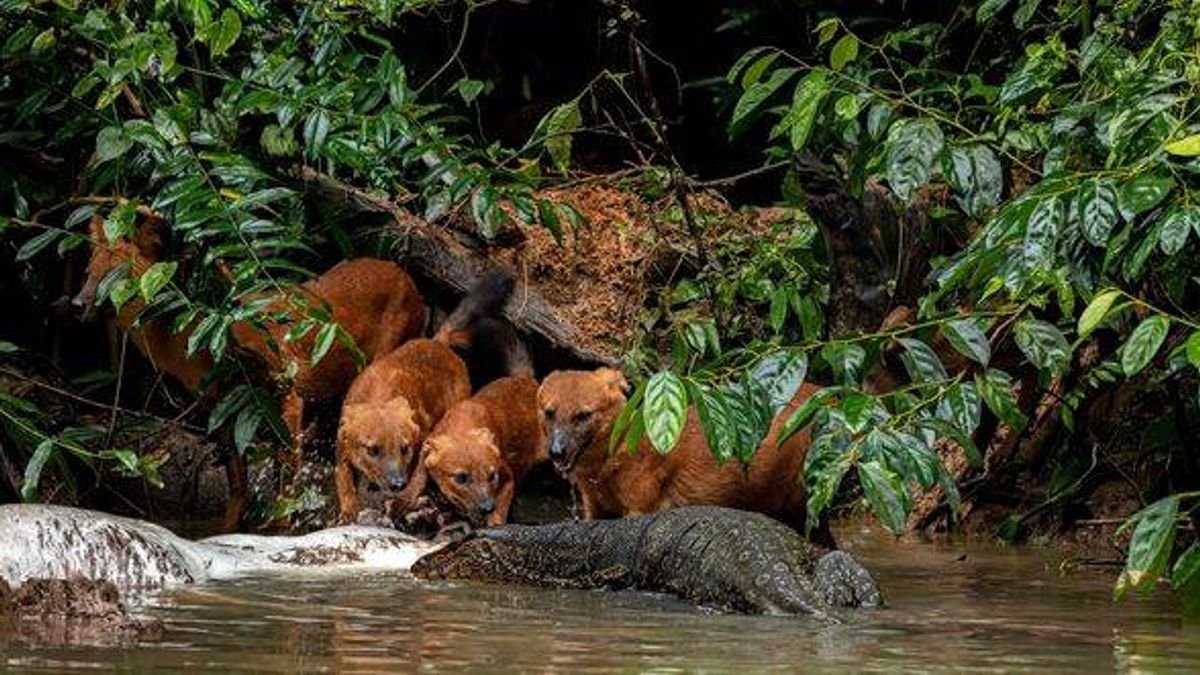

Trail cameras set up by scientists captured footage of 10 rare predators, stunning researchers. The Indian wolf, listed as a vulnerable species on the International Union for Conservation of Nature Red List, faces a critical situation in the wild. With estimates indicating only 2,800 to 3,300 Indian wolves remaining, conservationists highlight habitat destruction from mining and continuous hunting pressure as major threats to their survival.
The wolves are also at risk from human activities, with instances of poisoning and shooting. This is often a result of a scarcity of natural prey, leading the wolves to target livestock for sustenance. Finding suitable territory is challenging as potential habitats are frequently occupied by common leopards, forcing the wolves to seek alternative dens.
Urban expansion has led to an increase in feral dogs, posing additional risks to the wolves as they compete for resources and can transmit diseases. In a positive development, scientists in West Bengal recently discovered a rare pack of Indian wolves in Madhaiganj village. Monitoring efforts using camera traps and community interviews have shown that the wolves are adapting well to their environment.
While the wolves thrive, conservation efforts are crucial to ensure their long-term survival. Specific measures such as designating open habitats and using radio collaring for monitoring are essential. Researchers emphasize the importance of securing remaining habitat pockets to promote coexistence and enhance the species’ chances of survival.
The Indian wolf’s vulnerability in the wild has prompted the implementation of captive breeding programs in zoos. These programs play a vital role in preserving genetic diversity and may support reintroduction efforts in India and Pakistan. By strategically selecting captive animals for release, these programs aim to boost wild populations and safeguard the future of the Indian wolf.