


The Foreign Office has issued an urgent travel advisory to multiple countries today, expressing grave concerns over recent developments in a region frequented by hundreds of thousands of UK tourists annually.
In the latest warning, popular vacation spots like Turkey, Dubai, Cyprus, and Egypt have been highlighted, with officials recommending travelers to exercise added caution.
This cautionary notice follows Iran’s sudden closure of its airspace to commercial flights for several hours early on Thursday, amidst ongoing tensions with the United States following Tehran’s violent suppression of nationwide protests.
The airspace closure, lasting over four hours according to Iranian pilot guidance, impacted international airlines, forcing them to reroute north and south around Iran. Although the closure appeared to have ended after an extension, with domestic flights resuming after 7 am local time.
While Iran has previously closed its airspace during conflicts, there are currently no signs of active hostilities. However, several airlines have already cut back or halted services, with most carriers avoiding Iranian airspace due to potential security risks.
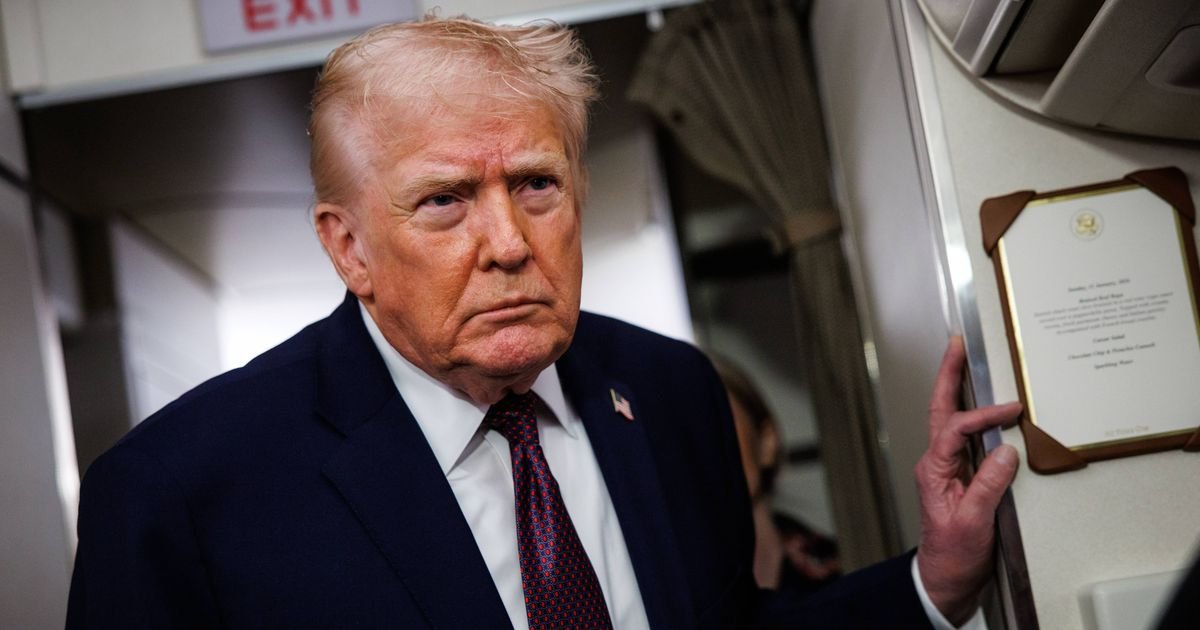
There are growing concerns that potential military actions by President Trump against Iran’s regime could lead to widespread escalation in the region, resulting in violence and travel disruptions.
In the latest advisory, the Foreign Office stated, “There is a heightened risk of regional tension. Escalation could lead to travel disruption and other unforeseen impacts. British nationals are advised to take sensible precautions based on their individual circumstances.”
Iran’s history of misidentifying civilian aircraft as enemy targets was highlighted, citing the tragic incident in 2020 when Iranian air defenses mistakenly shot down Ukraine International Airlines Flight PS752, resulting in the loss of all 176 passengers and crew.
The airspace closure coincided with the evacuation of certain personnel at a key US military facility in Qatar and a temporary halt on visits to military installations in Kuwait by the US Embassy.
US President Donald Trump’s ambiguous statements on potential American intervention in Iran have left observers uncertain. Amidst this, Iranian Foreign Minister Abbas Araghchi called for diplomatic solutions, emphasizing the importance of diplomacy over war.
Both Washington and Tehran have softened their rhetoric, with Iran’s chief justice emphasizing the swift punishment of thousands in custody, raising concerns of imminent mass executions. The violent response to protests in Iran has claimed numerous lives, surpassing casualty figures from past unrest in the country.
Overall, the situation remains tense, with diplomatic efforts being encouraged to prevent further escalation and ensure the safety of travelers in the affected regions.