


A courageous individual battled against sharks for an extended period while a group of US naval sailors awaited rescue in the Pacific Ocean after their ship sank suddenly. On July 26, 1945, Harlan Twible, a crew member of the USS Indianapolis, unknowingly transported crucial components of the world’s first nuclear weapon to scientists on Tinian. Disappointed with the seemingly insignificant task, Twible found himself facing a life-changing event when the ship was attacked by Japanese torpedoes, causing it to sink in a mere 12 minutes.
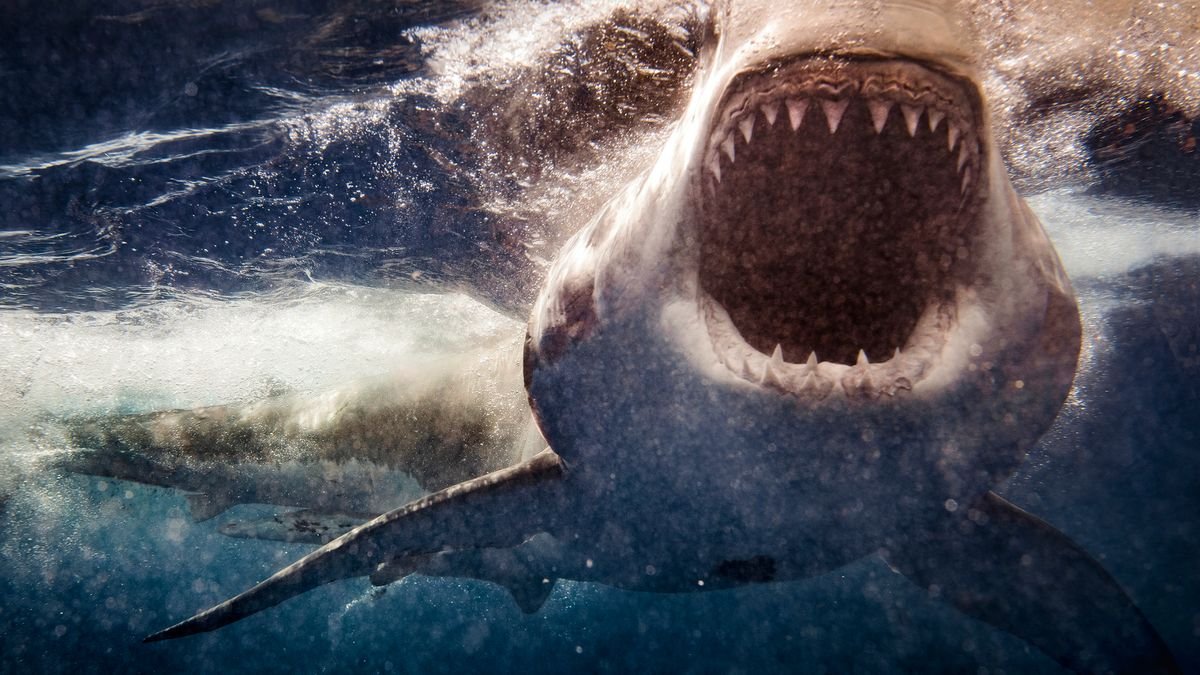
Taking charge in the midst of chaos, Twible led the crew in abandoning the sinking ship, resulting in the loss of 300 lives. Despite the tragic circumstances, around 900 individuals managed to survive the initial disaster. However, their struggle was far from over as they found themselves surrounded by sharks in the open sea, leading to further casualties.
Facing the daunting reality of their situation, Twible and the survivors fought off shark attacks, with some resorting to using their bare hands for defense. As days passed, the group’s numbers dwindled, highlighting the grim nature of their predicament. Through sheer determination and teamwork, they managed to stay resilient until they were eventually spotted by a US Navy aircraft after four days and five nights of enduring the harrowing ordeal.
The survivors’ final count stood at 316, marking one of the most devastating tragedies in US Naval history. Twible, reflecting on the events, emphasized the gravity of the decisions made during the crisis and the importance of remembering the challenges they faced. His leadership and unwavering commitment to saving lives in the face of extreme adversity underscore the resilience and courage displayed by those who endured the USS Indianapolis sinking.