

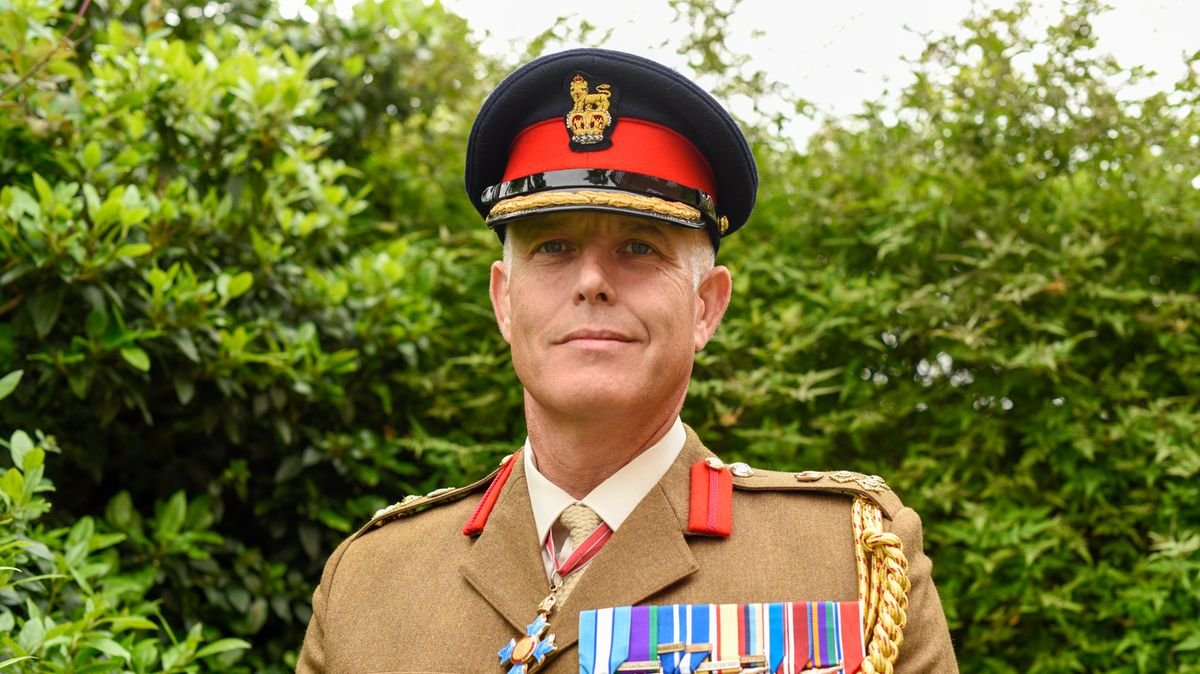

Gareth Collett was deeply impacted by the IRA bombings in Hyde Park and Regent’s Park on July 20, 1982. The tragic incident, which claimed the lives of 11 military personnel and seven horses, inspired the 16-year-old to pursue a career in bomb disposal.
Reflecting on the bombings, Gareth expressed his shock and anger at the senseless violence perpetrated against both humans and animals. The incident fueled his desire to assist in similar crisis situations, leading him down a path that would define his life.
Over the course of 34 years, Gareth, now a retired Brigadier, has played pivotal roles in various war zones, including engaging in war crime investigations, engaging with notable figures like the late Queen, and successfully neutralizing 75,000 explosive devices. Despite saving numerous lives, his experiences have also left him grappling with PTSD.
Today, at 59 years old and a father of two, Gareth has channeled his experiences into a fictional novel titled “Blasted Religion,” drawing inspiration from his own career as a bomb disposal expert. He describes the writing process as a cathartic journey and looks forward to penning his autobiography in the future.
Coming from a family with a military background, Gareth’s decision to pursue bomb disposal was driven by a desire to save lives rather than take them. His extensive training in ordnance and bomb disposal techniques equipped him to handle complex and dangerous situations with precision and expertise.
Contrary to the dramatized portrayals of bomb disposal in popular media, Gareth emphasizes the meticulous and high-stakes nature of his work. He highlights the intense training required to navigate the intricate components of a bomb and make split-second decisions that could mean the difference between life and death.
Having served in conflict zones like Northern Ireland, Iraq, Afghanistan, and Kosovo, Gareth faced unique challenges in each theater of war. He particularly recalls the complexities of bomb disposal operations in Iraq, where the improvised and unpredictable nature of explosives posed significant risks.
Despite the harrowing nature of his work, Gareth remained dedicated to his mission of safeguarding lives and combating terrorism. His experiences, including the loss of colleagues in the line of duty, took a toll on his mental well-being, leading to struggles with PTSD and emotional trauma.
Seeking support outside traditional channels, Gareth found solace in organizations like Help for Heroes, which provided specialized mental health assistance for veterans. Through therapy and reflection, he learned to cope with the psychological scars of his past experiences and embrace his resilience.
Today, as an Executive Director at the University of Wales Trinity Saint David, Gareth imparts his knowledge and expertise to the next generation of ordnance and explosives professionals. Despite the challenges and sacrifices he has faced, Gareth remains steadfast in his commitment to serving others and making a positive impact in the world.
Gareth’s research into the health impacts of high explosives has shed light on the elevated risk of bladder cancer among bomb disposal personnel. His own battle with cancer and subsequent studies have underscored the importance of addressing the health concerns faced by individuals in high-risk professions.
Through his ongoing efforts to raise awareness and advocate for the well-being of veterans, Gareth continues to leave a lasting legacy built on courage, resilience, and a steadfast dedication to serving others.