

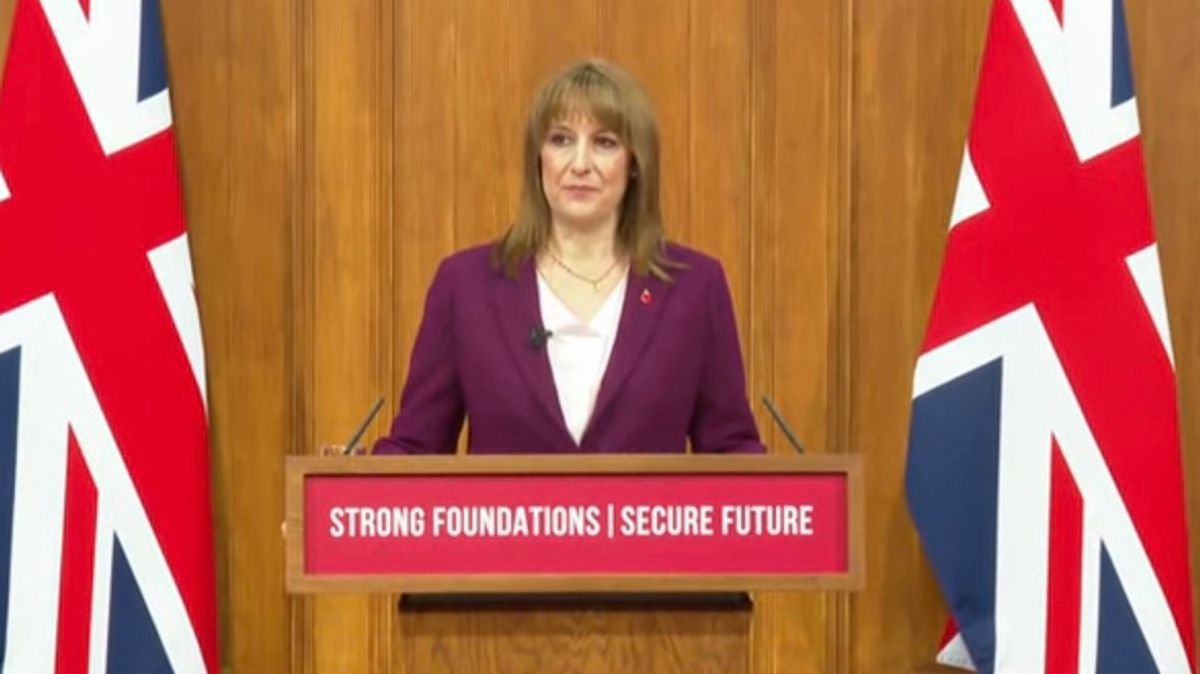

Rachel Reeves delivered a significant pre-Budget speech today, hinting at potential tax increases and emphasizing the collective responsibility to contribute. Despite previous promises, the Chancellor acknowledged the need to address income tax, VAT, and national insurance amidst challenging economic conditions.
In her address from Downing Street, Reeves criticized the austerity measures implemented by the Conservatives, attributing them to negatively impacting the nation. She highlighted the adverse effects of a hurried Brexit deal on businesses trying to navigate trade complexities.
Reeves stressed the importance of honesty regarding the consequences of policy choices and expressed her commitment to making decisions based on what is right rather than solely on popularity. While ruling out further austerity measures, she outlined her priorities for the upcoming Budget, focusing on reducing NHS waiting lists and easing the financial burden on struggling citizens.
The Chancellor emphasized a Budget aimed at fostering growth while ensuring fairness, with a particular emphasis on safeguarding families from inflation and high interest rates. She called for a collective effort to secure the nation’s future and promote economic stability for generations to come.
Regarding queries about potential tax hikes, Reeves deferred detailed policy explanations to the Budget announcement on November 26, clarifying that her current remarks aimed to provide context for the economic challenges ahead. She emphasized the need to address challenges promptly rather than avoiding them.
Speculation surrounding a potential income tax increase later in the month raised concerns about deviating from Labour’s manifesto commitments. Despite this, Reeves underscored the necessity of prioritizing national interests over political expediency to address the current economic situation effectively.
The Chancellor also acknowledged the repercussions of past financial decisions, including the aftermath of a previous government’s brief tenure and subsequent market disruptions. Despite recognizing the challenges, Reeves expressed optimism about a brighter future and the government’s commitment to breaking the cycle of decline.
Various figures, including Keir Starmer and TUC General Secretary Paul Nowak, supported the focus on improving living standards and criticized past austerity measures. Calls for a fairer tax system that prioritizes contributions from the wealthiest were echoed by several voices, emphasizing the need for progressive taxation policies.
In response to criticisms from the Tory leader Kemi Badenoch, Reeves faced accusations of making excuses for policy outcomes. The debate highlighted contrasting views on government spending, tax policies, and the overarching economic strategy.