

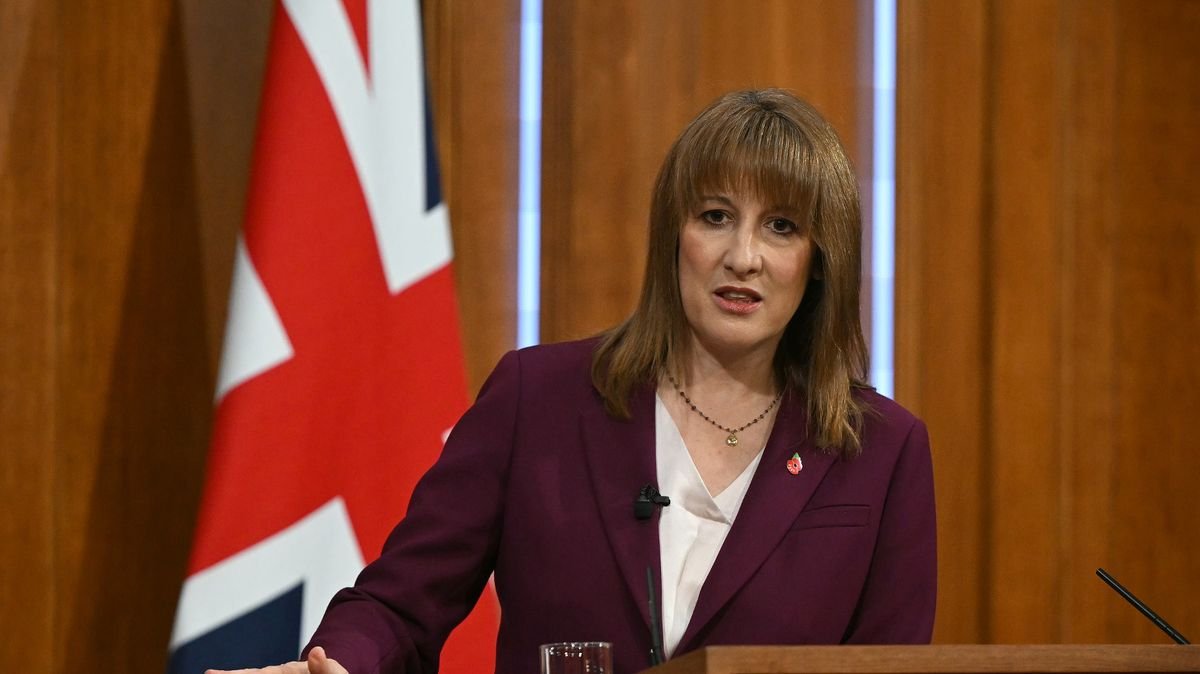

Rachel Reeves made a bold move by hinting at the upcoming Budget set for three weeks from now. Although lacking specifics, the impact of her announcement was significant considering the broader context at this stage.
Following a previous Budget that was perceived as a one-time tax increase, the current Chancellor’s speech hinted at potential further tax hikes, including promises that may deviate from past pledges. Reeves seems to be betting on the idea that additional tax contributions will lead to overall improvements in the country’s state, public services, and national finances. The success or failure of this approach could have long-lasting effects, possibly influencing the upcoming general election and beyond.
While trying to steer clear of certain topics in her speech, the growing anticipation for significant changes has been evident recently. The decision to address the public just three weeks before the significant event hints at another challenging Budget ahead. However, the focus appears to be on tax increases rather than substantial spending cuts, especially with the commitment to avoiding a return to austerity measures seen in previous Tory administrations.
Labour’s manifesto had explicitly promised no tax increases for working individuals, ruling out adjustments to National Insurance, Income Tax rates, or VAT. Nonetheless, recent developments have led to a reconsideration of these pledges, with the looming necessity of tapping into these key revenue sources according to economists.
As discussions continue, potential adjustments to Income Tax rates have been speculated. The Resolution Foundation suggests a moderate increase across all tax bands could generate substantial revenue. However, the historical reluctance to raise the basic rate poses a significant challenge, reflecting a longstanding tax tradition that has been dubbed the “50-year tax taboo.”
If implemented, even a slight increase in the basic rate could have varying impacts on individuals, affecting take-home pay and potentially adding financial strain amidst rising costs in other areas. The ongoing debate also includes proposals to alter National Insurance contributions and Value Added Tax rates, each carrying implications for households and the overall economy.
In the midst of these deliberations, attention is also drawn towards potential changes in VAT rates, with considerations on the potential impact on inflation and the cost of living. Rachel Reeves has emphasized the need to address rising energy and food prices, hinting at possible adjustments to VAT on energy bills to alleviate financial burdens on households.
Various other speculations abound, including discussions on pensions, online gambling duties, and potential adjustments to tax relief schemes. These deliberations highlight the complexity and importance of the upcoming Budget decisions that will shape the economic landscape for the foreseeable future.