

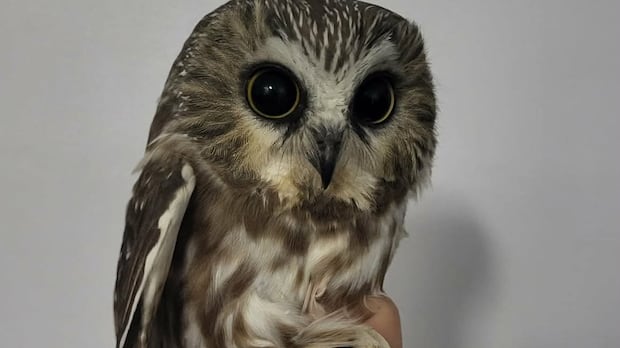

A substantial wave of migrating owls has the team at the Mugaha Marsh Banding Station working diligently, with the birds traversing northern B.C. in unprecedented numbers not observed in years.
“It has been such an incredible year up there,” remarked Jeannine Randall, a bird biologist with the Mackenzie Nature Observatory, located around 200 kilometers north of Prince George via major routes.
“Typically, we catch about 100, but this season we’ve recorded 266, and there are still two weeks remaining. This marks a record-breaking year.”
The exceptional increase has led to a peculiar challenge: a lack of the official, strictly regulated tracking bands necessary for monitoring the birds.
“We were running low, especially on one size—since saw-whet owls, which are our primary target, require multiple sizes of bands,” Randall clarified.
“We specifically ran out of the larger band size because they were on back order from the bird banding office.”
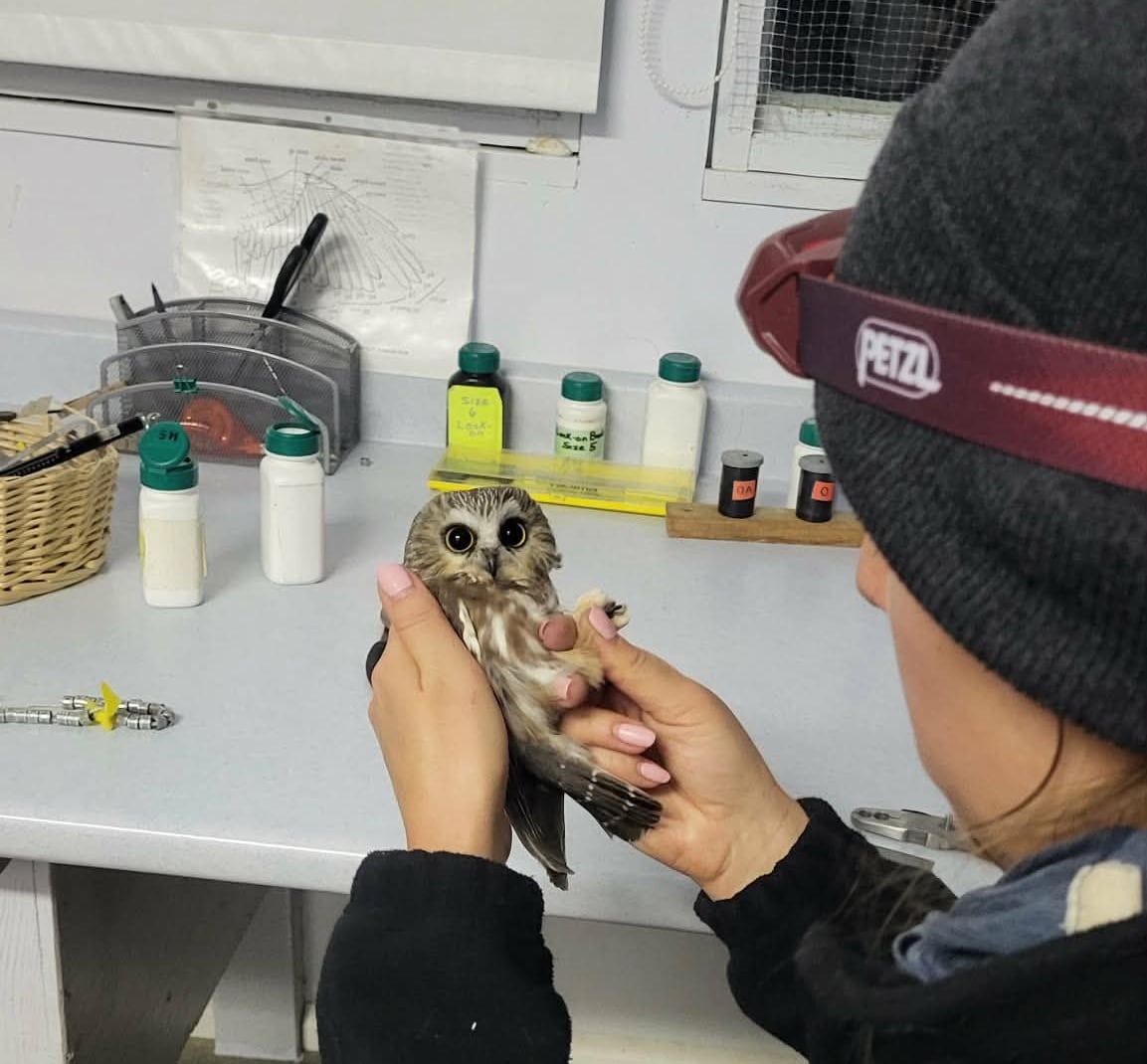
A volunteer bands one of the tiny saw-whet owls. (Submitted by Jeannine Randall)
As the station sought assistance from other organizations, they quickly realized that this owl boom was not isolated; many other stations were encountering similar shortages.
Randall suggests that the increase in numbers is likely linked to their food sources.
“Most of the owls we are capturing are juveniles hatched this year,” she stated. “The main factor driving this trend seems to be a surplus of small rodents this year. That’s their primary food source… including mice and species like deer mice and voles.”
Overall populations declining
Despite the encouraging figures at Mackenzie, they may not represent the long-term situation for all owl species in the province.
Rémi Torrenta, a biologist with Birds Canada, points out that many owl populations have been on the decline over the last 25 years.
“Some species are relatively stable or even increasing, such as the barred owls, while most species have been decreasing during the past 25 years,” Torrenta noted.
“This is likely true for many species in B.C., including the northern saw-whet owls.”
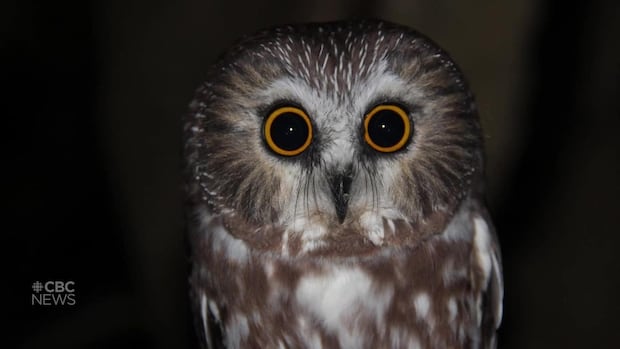
Torrenta explains that the large number of owls observed this year likely fits into a well-established four-year cycle.
“When there are many owls, the population can surge rapidly, but this often leads to a crash in the rodent population the following year,” Torrenta explained.
“Eventually, the owls may find themselves without enough food, prompting them to migrate further south in search of sustenance. This event is referred to as a mass eruption.”
To gain further insights into these trends, Birds Canada manages the Nocturnal Owl Survey, a citizen science initiative that depends on volunteers nationwide to monitor owl populations each spring.
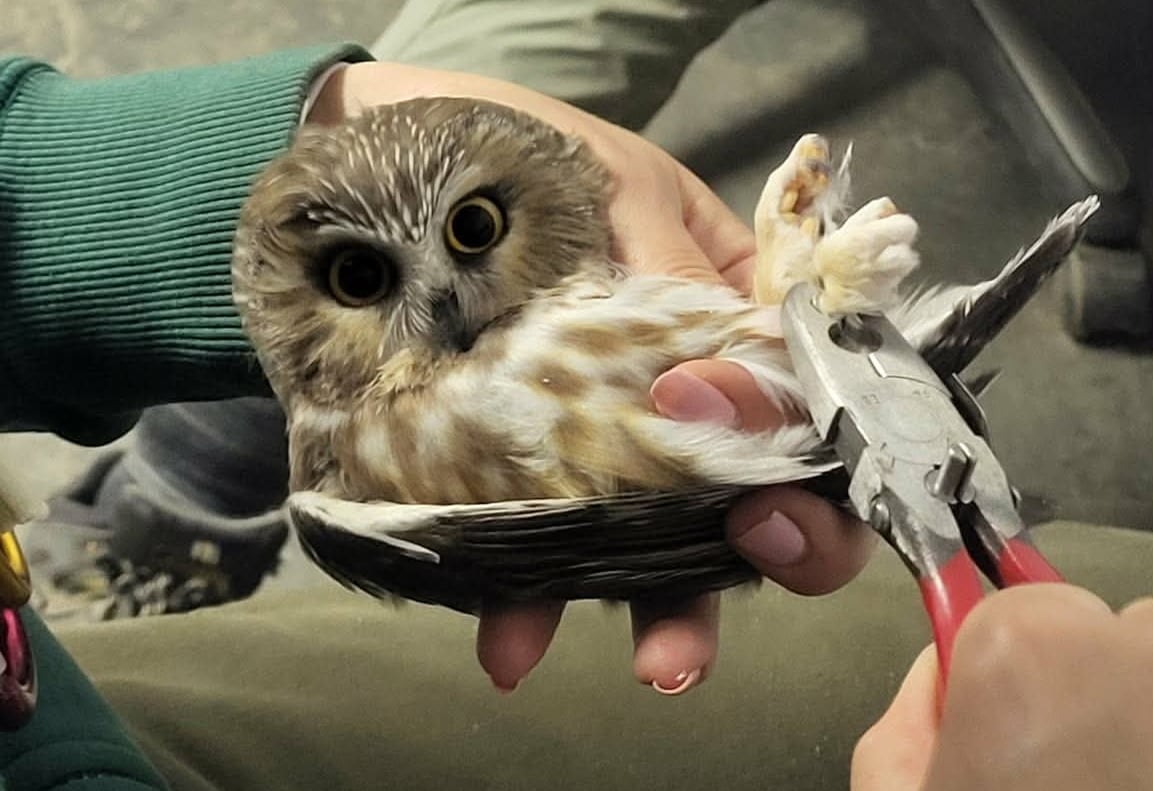
A northern saw-whet owl at the Mugaha Marsh Banding Station near Mackenzie. (Submitted by Jeannine Randall)
“Thanks to these volunteer initiatives… we can more effectively monitor owl populations and trends throughout the country,” Torrenta said.
Randall emphasizes that the banding project at the Mackenzie Nature Observatory plays a vital role in broader scientific research, supplying essential data for tracking owl populations and migration patterns.
-
Hope remains for owl species despite no known wild population left in B.C., conservationist says
-
Casper the foster mom owl has raised hundreds of rescued owlets as her own
Recently, the station recaptured an owl that had been banded in Victoria in 2024, providing a rare insight into the species’ migration patterns.
“If no one is studying these aspects, we lack the information needed to make informed management decisions or truly comprehend the species,” Randall stated.
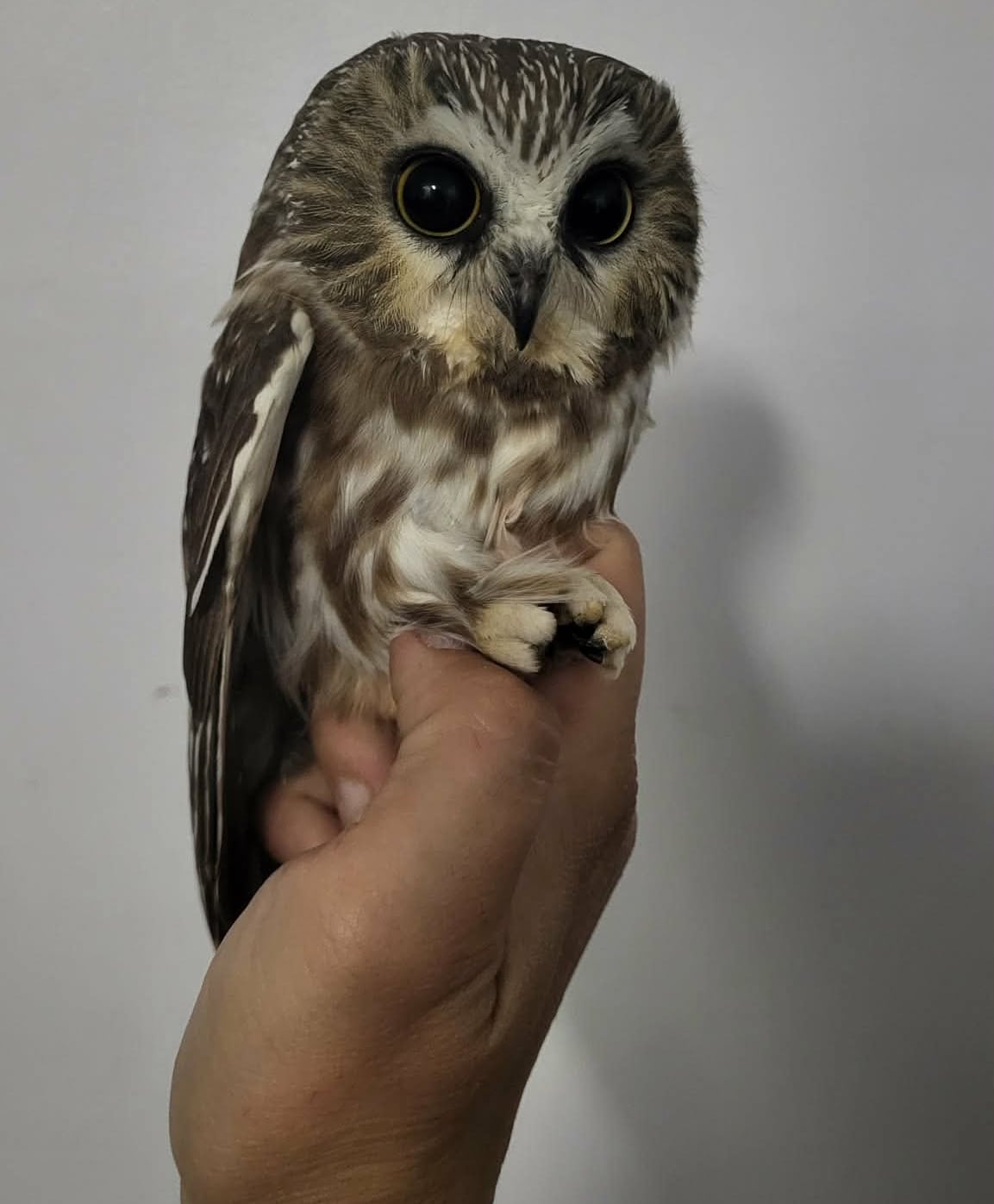
A tiny saw-whet owl at the Mugaha Marsh Banding Station near Mackenzie. (Submitted by Jeannine Randall)