


The Ministry of Defence is facing a possible £50 billion liability for causing enduring hearing impairment to military personnel over an extended period. Despite warnings to senior officials, the risks were disregarded, leading to potential consequences that could consume 76% of the MoD’s budget, severely impacting national defense capabilities.
Approximately 70,000 veterans are believed to have been impacted, with some experiencing severe deafness and challenges in finding employment. Several individuals have already received compensations of up to £550,000 for the loss of future earnings due to their compromised hearing.
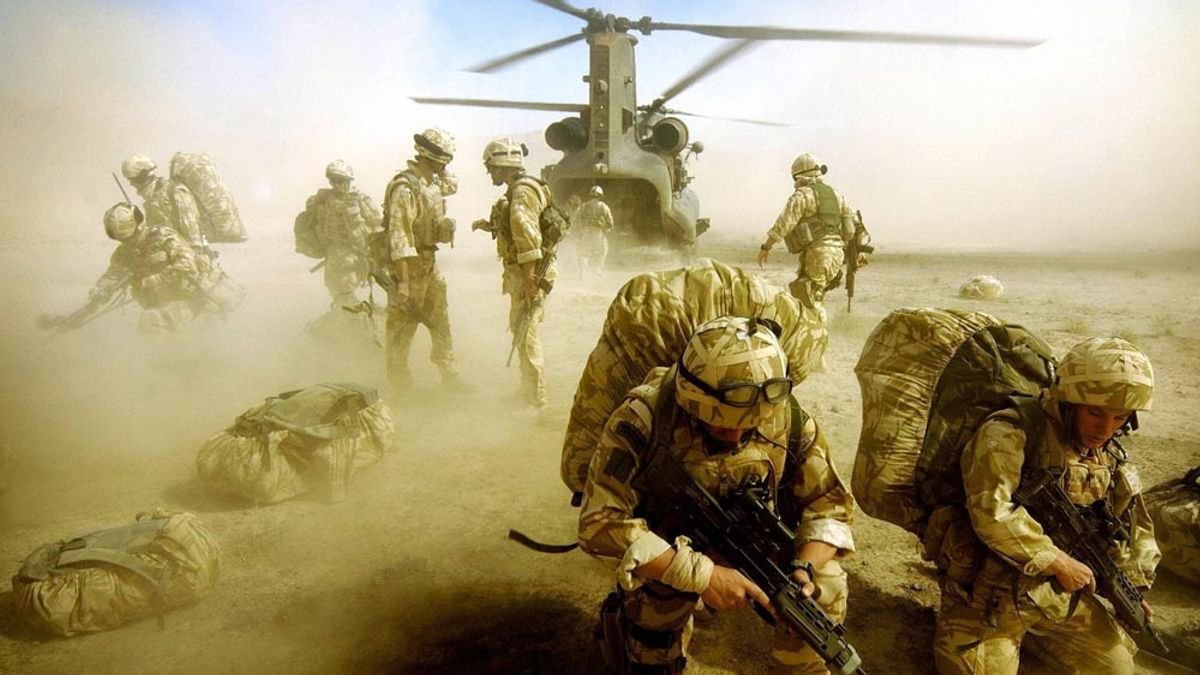
Former Royal Fusilier Stephen Hambridge shared his experience, highlighting the inadequate ear protection provided during his deployments in Afghanistan. Exposure to high decibel levels without proper safeguards resulted in irreversible damage, emphasizing the critical need for effective protective measures in military environments.
The MoD is currently attempting to restrict future claims to mitigate costs, potentially leaving affected veterans without adequate compensation. This move has raised concerns about the ethical responsibility of the MoD towards those who have served their country.
The legal proceedings have shed light on the prevalence of hearing impairments within the armed forces, indicating a long-standing issue that has persisted despite advancements in technology. Efforts to address the negligence and ensure fair compensation for affected individuals are ongoing, with a High Court ruling expected soon.
The heartbreaking story of Charles Barrie, a former sergeant whose quality of life deteriorated significantly due to hearing loss incurred during his military service, underscores the profound impact of such injuries on veterans and their families. His widow’s pursuit of justice serves as a poignant reminder of the enduring consequences faced by those who have sacrificed for their country.
As the legal battles continue and the quest for justice unfolds, the importance of upholding duty of care towards military personnel remains a pressing concern. The outcomes of these cases will not only determine individual compensations but also reflect the broader commitment to supporting and honoring those who have served in defense of their nation.