

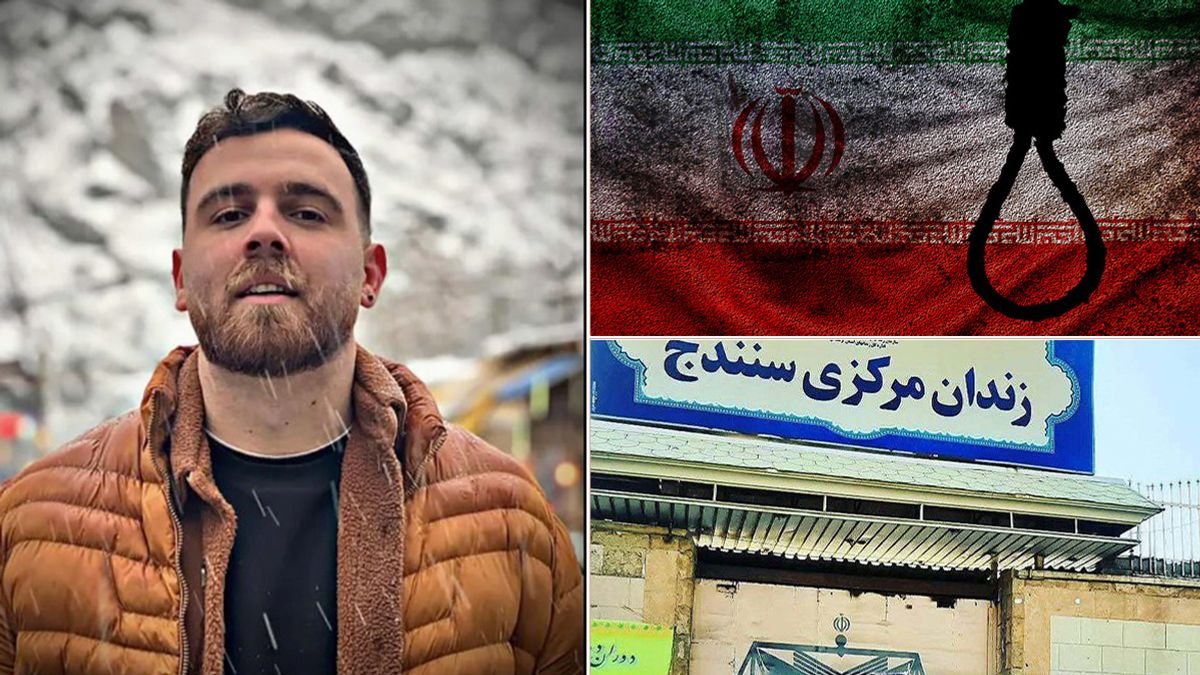

An individual in Iran faced uncertainty as his scheduled execution was delayed at the last minute. Shop owner Erfan Sultani was initially set for hanging on January 14 but received a reprieve following US President Trump’s involvement. However, Iranian authorities have indicated that this reprieve is temporary, with warnings of severe repercussions for protesters amid recent anti-government unrest.
Internet shutdowns in Iran reportedly dampened protests, but human rights organizations and Sultani’s relatives confirm a temporary halt to his execution. Sultani, a 26-year-old from Fardis near Tehran, was arrested on January 8 and charged with moharebeh, a crime punishable by death under Iranian law, often used against those challenging the ruling regime.
His case has garnered global attention, with claims of a brief trial, lack of legal representation, and limited time for farewells post-sentencing. The country has witnessed a surge in executions, with Iran ranking high globally in this regard, including a significant increase in death sentences in recent years.
Amnesty International has criticized Iran’s judicial practices, citing unfair trials and vague charges against dissenters. The country’s notorious prisons, like Ghezel Hesar and Raja’i Shahr, are infamous for public executions carried out in brutal manners to prolong suffering.
Various execution methods, such as hanging, stoning, firing squad, beheading, and throwing from heights, are employed in Iran. While stoning has decreased due to international pressure, prisons like Evin are known for torture and harsh conditions, as highlighted by former inmates like Anoosheh Ashoori.
Psychological experts emphasize the deliberate infliction of fear and trauma in Iran’s legal system, using executions as tools of political terror to maintain control. The inhumane treatment of prisoners and their families underscores the oppressive nature of Iran’s justice system.