

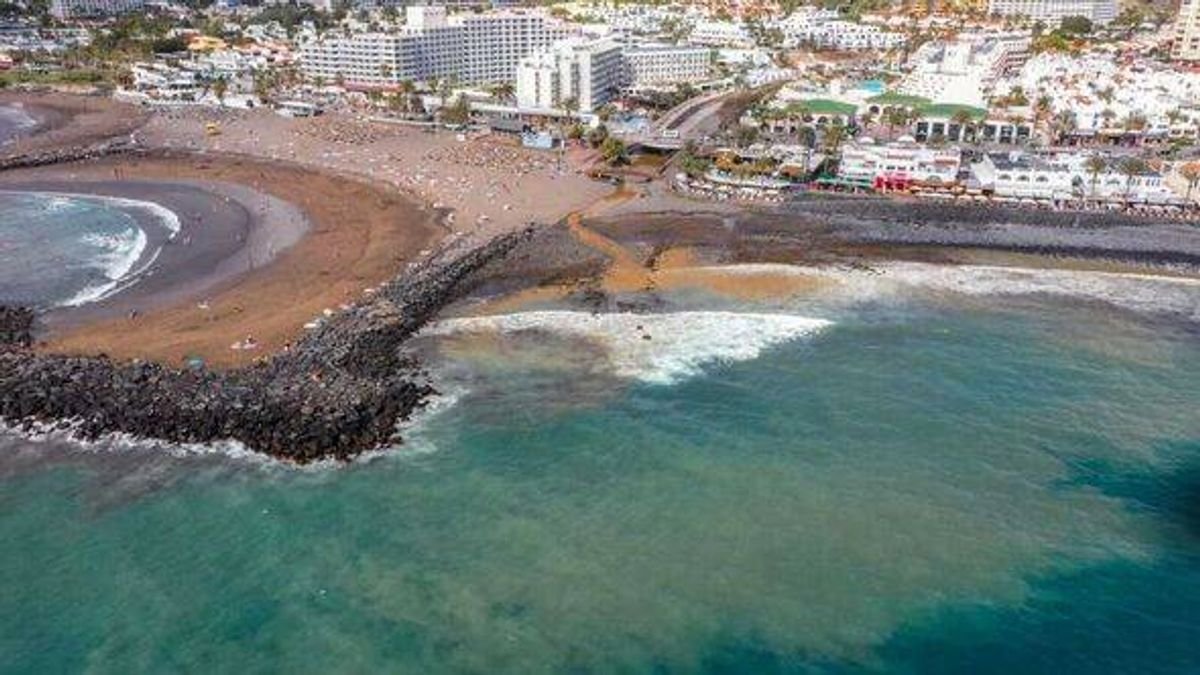

An alert has been raised for the Canary Islands following concerns from experts about significant health hazards. Spain, particularly the Canary Islands, has been criticized by the Court of Justice of the European Union (CJEU) for inadequate management of urban wastewater discharges. Tenerife, a key area of focus, has been highlighted due to the absence of proper sewage collection systems in various locations like Adeje, Arona, Candelaria, and others.
The CJEU’s recent ruling, citing a breach of the Urban Wastewater Directive, pinpointed 12 critical spots in Tenerife where insufficient collectors, treatment, and monitoring of discharges into the sea were identified. Although no penalties have been imposed yet, the Commission may take action if the situation is not promptly addressed.
The Tenerife Association of Friends of Nature (ATAN) has raised concerns about a health crisis, stating that Tenerife has been posing unacceptable health risks to both residents and tourists for an extended period. In 2025, several renowned beaches were closed due to faecal contamination, with Playa Jardín in Puerto de la Cruz shut down for nearly a year due to high E. coli levels and sanitation issues.
The ongoing problem persists without visible intervention from authorities. Recent storms and heavy rain in early 2026 have exacerbated the issue, causing visible sewage along various sections of the Tenerife coastline. In 2019, Spain faced penalties from Europe totaling €22 million for continuous breaches related to inadequate sewerage and processing facilities.
The Canary Islands are grappling with water scarcity, strained infrastructure, and heavy dependence on imported food, leading to their inclusion in the Fodor’s No List 2026 due to unsustainable tourism pressures. Despite being a popular winter sun destination for Britons, the islands have faced various challenges, including protests against overtourism and airport delays.
ATAN and other groups are calling for a temporary halt to further tourism expansion, increased investment in sewage treatment infrastructure, audits of discharge points, and stricter residency regulations to control population growth. Island officials argue that the CJEU ruling is based on outdated data from 2020 and that substantial investments have been made in sewage and wastewater treatment facilities in Tenerife.
It is crucial to note that the situation is continuously evolving, and efforts are being made to address the environmental concerns raised by the CJEU and other organizations.