

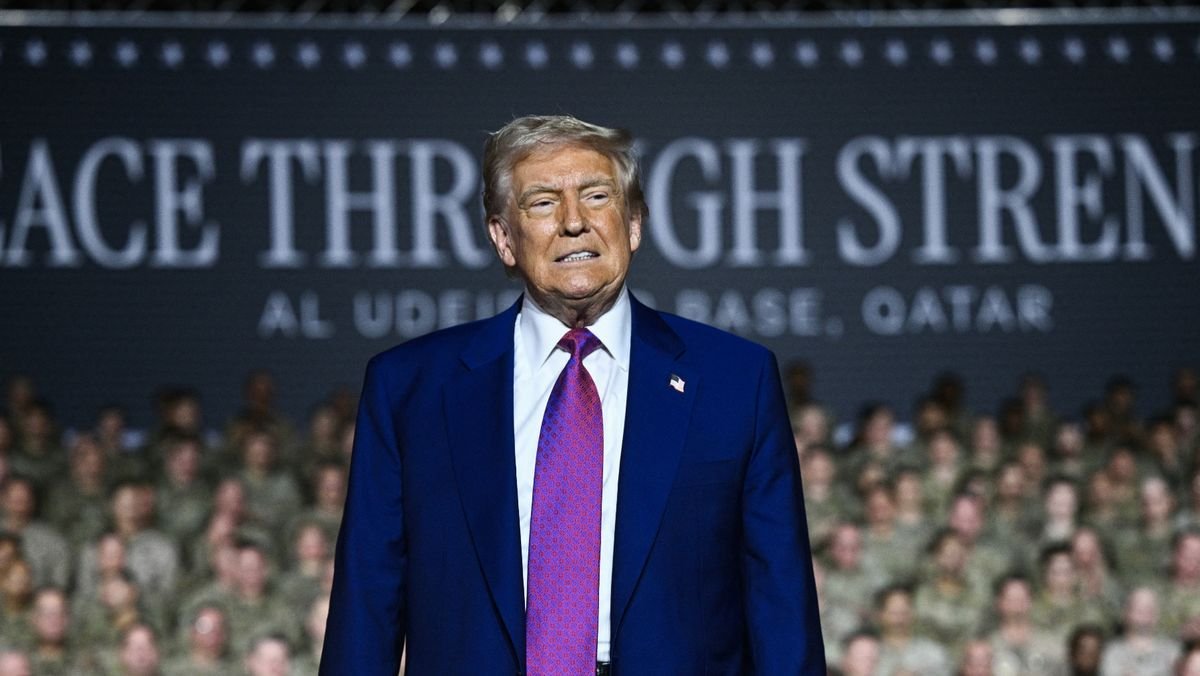

Donald Trump made a noteworthy appearance in Davos with a specific agenda in mind. At the top of his list was Greenland, although he seemed willing to compromise on acquiring only parts of it. Additionally, he expressed a desire to establish a global organization to rival the United Nations, with himself as the lifelong chairman. However, his ambitions were tempered as he settled for soliciting funds from certain dictators and authoritarians.
This diplomatic foray has proven to be quite costly for Trump, triggering significant backlash during his second term. Unlike past criticisms directed at him, this time the disapproval is not solely from ordinary citizens but also from European nations. Previously willing to align with him to mitigate potential negative impacts, these nations have now distanced themselves, opting for photo opportunities with countries like Bahrain, Belarus, and Saudi Arabia instead.
Even Keir Starmer, who typically maintained a diplomatic stance, has begun openly opposing Trump. The President’s recent actions have led to a shift in alliances, freeing former allies from the need to feign support. This shift signifies the price Trump is paying for his ambitious agenda.
The initial year of Trump’s second term was marked by unprecedented developments. Moving forward, the repercussions of his unchecked power, moral ambiguity, and perceived invincibility, coupled with global isolation, may lead to tumultuous outcomes. The future implications of his actions, ostracized by the international community much like his past social isolation in New York, are uncertain and potentially concerning.
In a separate development, Donald Trump’s remarks questioning the contributions of NATO troops in Afghanistan have stirred controversy. His comments dismissing the efforts of allied forces, including British troops, have elicited strong condemnation. Keir Starmer rebuked Trump for downplaying the role of NATO troops in Afghanistan, emphasizing their sacrifices and commitment to the cause.
Addressing the issue, Starmer expressed dismay at Trump’s remarks, deeming them insulting and appalling, particularly to the families of fallen soldiers. Furthermore, Veterans Minister Al Carns criticized Trump’s comments as baseless, highlighting the significant contributions and sacrifices made by troops from various nations in Afghanistan.
In response to the backlash, Trump took to social media to suggest invoking NATO’s Article 5 to address immigration issues, deflecting attention from his previous controversial statements. Meanwhile, his business deal involving the transfer of TikTok’s US operations to American owners, including oversight by Oracle, has been finalized.
Trump’s efforts to establish the “Board of Peace” faced criticism when Belgium was mistakenly listed as a member, prompting a swift clarification from Belgian authorities. Moreover, discussions surrounding Trump’s interactions with Vladimir Putin and the potential admission of the Russian leader into his proposed alliance have raised concerns.
As Trump returns from Davos, his future plans regarding Greenland remain uncertain. Promising updates in the coming weeks, Trump’s ambiguous responses and evasiveness have fueled speculation about the true intentions behind his pursuits. The implications of his actions, including the financial transactions associated with the “Board of Peace,” raise ethical and strategic questions.
In conclusion, Trump’s recent endeavors and controversial statements have sparked widespread debate and condemnation, reshaping diplomatic dynamics and global perceptions of his administration. The ramifications of his actions, both domestically and internationally, are poised to influence future events and relationships on the world stage.