

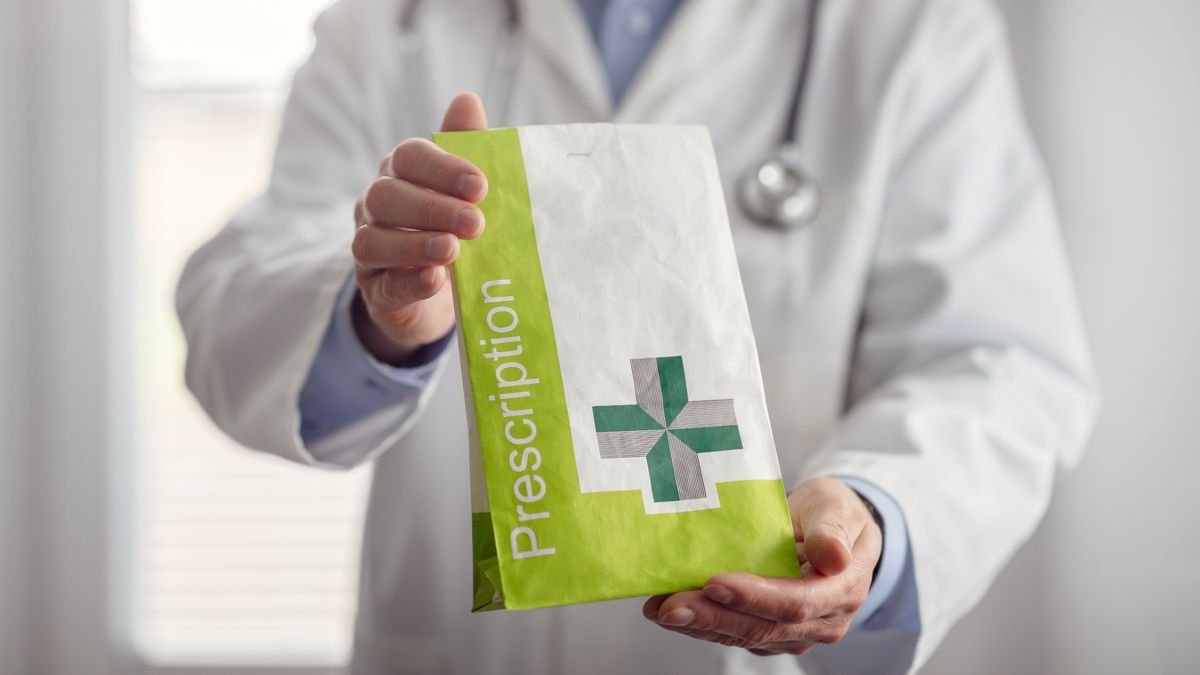

Seeking a GP appointment may involve a wait, but did you know that certain common conditions can be managed at local pharmacies without the need for a doctor’s visit? The NHS is encouraging individuals to consider using pharmacy services first before seeking further medical assistance. Through the Pharmacy First service launched by NHS England in 2024, community pharmacies can offer treatment for seven common conditions. This initiative aims to alleviate pressure on GP appointments for non-urgent cases, providing convenient and quality healthcare access.
The seven common conditions covered by Pharmacy First include various ailments. It is important to be aware that treatment options may differ based on age, with certain conditions limited to specific age groups. The Department of Health and Social Care highlighted that individuals can access treatment for these conditions by visiting a pharmacy in person or seeking virtual assistance. Pharmacists can conduct private consultations, examinations, and access medical records to recommend suitable treatment plans, including prescribing antibiotics or antivirals when necessary.
Apart from England’s Pharmacy First scheme, Scotland, Wales, and Northern Ireland have their own versions. Interested individuals can learn more about each region’s Pharmacy First services online. In case of urgent medical advice, the NHS offers a 111 service available 24/7, connecting individuals with healthcare professionals who can assess their situations and provide appropriate guidance or referrals to relevant healthcare facilities.
While NHS 111 is available in the UK, the online platform is exclusive to England for individuals aged five and above. Residents of Scotland, Wales, or Northern Ireland should use their respective local services or dial 111 for assistance. The online guidance from the NHS outlines the process of receiving callbacks and triaging symptoms for individuals seeking medical advice. Additionally, alternative communication channels are available for individuals with hearing impairments, ensuring accessibility to healthcare services.
When facing life-threatening emergencies, calling 999 remains the best course of action. The NHS emphasizes that calling 999 does not always result in an ambulance dispatch, as individuals may be directed to visit A&E or receive care at other suitable facilities depending on the situation. For further information on the NHS 111 service and its functionalities, visitors can explore the NHS website.