


A rejuvenated forest may appear tall, dense, and verdant, while restored wetlands can teem with insects and birds. However, upon closer examination, scientists have observed that some of the smallest inhabitants, such as specific mosses, lichens, algae, and fungi, are often absent.
The restoration of habitats like forests and wetlands can aid in the recovery of declining animal and plant species, yet research indicates that the return of all species is not uniform. Certain inconspicuous inhabitants may remain scarce or missing for extended periods, potentially impacting other species.
Ellen Macdonald, a botanist from the University of Alberta, has devoted her career to studying forests, with a focus on the minute flowers, mosses, liverworts, and lichens that thrive within them. She highlights the vast diversity of these species compared to tree species.
Macdonald emphasizes that a regenerated forest post-logging may outwardly resemble an untouched one with tall trees and abundant wildlife. However, she notes a subtle sense of imbalance while traversing regrown coniferous boreal forests, indicating the absence of certain species.
In a recent study published in the journal Nature Sustainability, Macdonald combined her research with global data to analyze the recovery timeline of plants and animals in boreal forests following clear-cutting. The study revealed that birch and aspen forests recovered within 25 years, while conifer forests took significantly longer. Understory plants, particularly lichens, mosses, and liverworts, took over 85 years to reestablish in conifer forests, with some species still absent after a century.
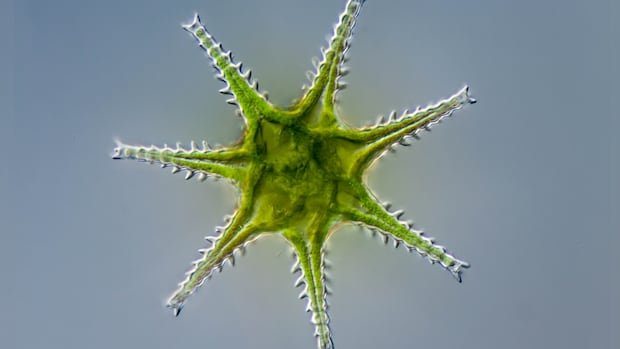
The phenomenon of missing species during habitat restoration extends beyond boreal forests, as researchers studying wetlands and other restored ecosystems have encountered similar challenges. The decline of less visible species, as observed by scientists like German botanist Michael Melkonian, signifies a form of “silent loss” that can impact ecosystem functioning and biodiversity.
Viktoria Wagner, an associate professor at the University of Alberta, warns that the disappearance of species from habitats can lead to a reduction in overall biodiversity, affecting ecosystem stability. She identifies this phenomenon as “dark diversity,” which highlights the loss of species from specific locations over time.
The significance of preserving biodiversity is underscored by the vital roles that various species play in ecosystem functioning. Algae, in particular, contribute significantly to global photosynthesis, influencing oxygen levels and food availability on Earth. The restoration of landscapes, such as forests, requires a nuanced approach to ensure the conservation of diverse species and ecosystem resilience.
Efforts to preserve algae species are crucial, given their ecological importance and increasing threats to their habitats worldwide. Melkonian’s work in collecting and cultivating algae strains aims to establish a repository of living organisms, safeguarding species diversity for future generations.
In conclusion, the ongoing loss of species underscores the need for proactive conservation measures to protect biodiversity across landscapes. Preserving and restoring habitats to support a diverse array of species is vital to maintaining ecosystem health and resilience in the face of environmental challenges.