

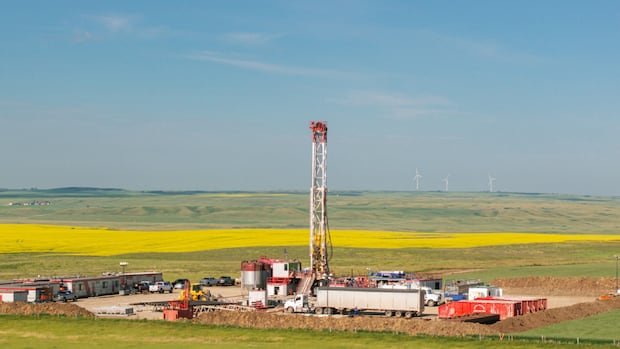

A Saskatchewan-based company is actively engaged in drilling for hydrogen to demonstrate the feasibility of extracting it on a commercial scale from underground sources instead of relying on fossil fuel production methods. Recently, Regina-headquartered Max Power Mining initiated drilling for its third well at the Lawson Complex in southern Saskatchewan. The company envisions establishing the world’s first large-scale commercial natural hydrogen system, offering a new primary energy source.
Hydrogen is a crucial element used in various industrial processes, such as ammonia production, petroleum refining, and transitioning towards cleaner energy sources. To address the need for a more environmentally friendly hydrogen sourcing method, natural hydrogen presents a promising solution. Unlike conventional hydrogen production methods that heavily rely on energy-intensive processes, natural hydrogen occurs underground naturally, offering potential advantages in terms of reduced greenhouse gas emissions.
The significance of hydrogen lies in its versatile applications as a fuel and electricity generator with zero direct greenhouse gas emissions. It is particularly valuable in sectors that are challenging to decarbonize, such as transportation and steelmaking. The majority of hydrogen currently available for sale is grey hydrogen, produced from fossil fuels without emission reduction measures, leading to substantial carbon dioxide emissions.
Green hydrogen, produced through electrolysis of water using renewable energy, offers a cleaner alternative but remains costly compared to grey hydrogen. In contrast, natural hydrogen, also known as white hydrogen, can be extracted with relatively lower emissions and costs by leveraging existing extraction techniques used in the natural gas industry.
Natural hydrogen originates from natural processes underground, such as the reaction of oxygen with iron-rich rocks and the radioactive decay of uranium and thorium. While natural hydrogen deposits are rare and challenging to extract, recent discoveries in Canada, including Saskatchewan, Ontario, Quebec, and Nova Scotia, have sparked global interest in natural hydrogen exploration.
Despite the potential benefits of natural hydrogen, challenges remain in accurately estimating available reserves, ensuring efficient extraction, and assessing market demand. Ongoing projects in various regions are in early stages of development, and it is uncertain whether natural hydrogen will significantly impact decarbonization efforts on a global scale.
As research and exploration efforts continue, the industry anticipates further insights into the viability and potential of natural hydrogen as a cleaner energy source.