

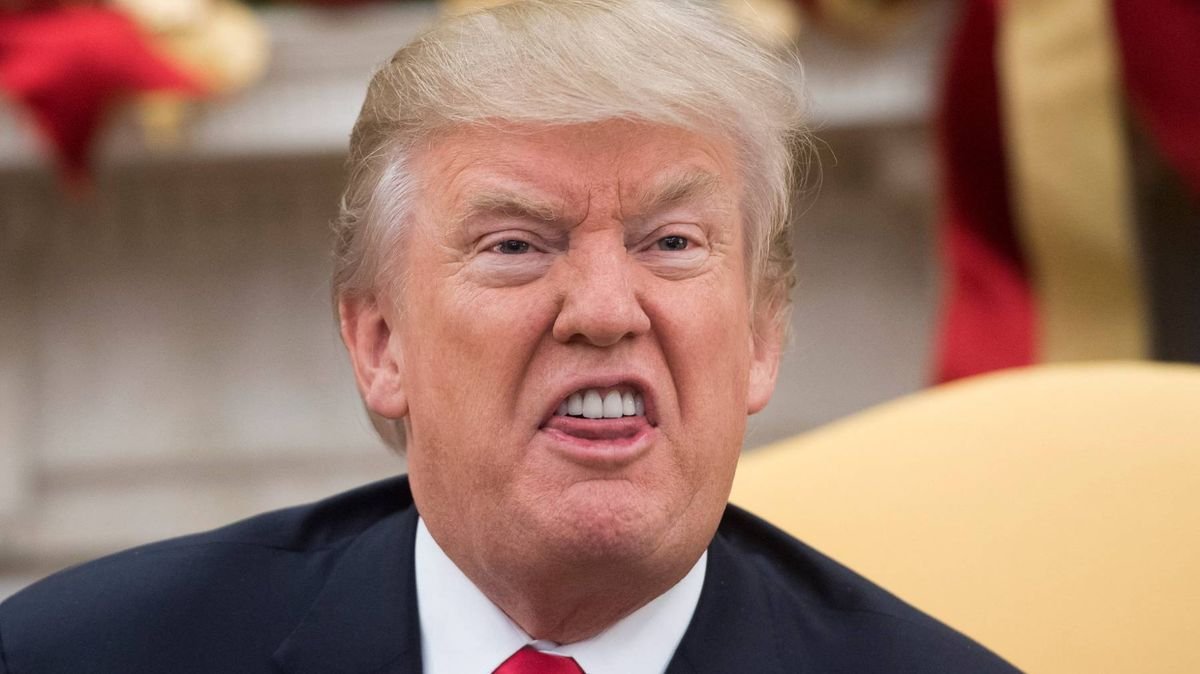

President Donald Trump’s recent reversal on the Chagos Islands agreement highlights his unpredictable nature. Initially supportive, Trump’s abrupt shift to denounce the deal reflects personal motivations rather than strategic considerations. This change of heart, fueled by wounded pride and a desire for retaliation, disregards the diplomatic efforts made to secure the agreement.
The agreement, which involved transferring sovereignty of the Chagos Islands while ensuring the operation of a critical UK-US military base on Diego Garcia, seemed settled last February. However, Trump’s volatile temperament led to a sudden outburst on social media, targeting the deal and those involved, including UK Prime Minister Keir Starmer.
Trump’s reactions stem from a pattern of responding impulsively to perceived slights, as seen in his handling of other international matters such as Greenland. His tendency to prioritize personal grievances over diplomatic relations undermines the stability of agreements and alliances. Despite the strategic importance of the Chagos deal, Trump’s erratic behavior poses challenges for maintaining consistent foreign policy decisions.
While many support the UK government’s defense of the Chagos agreement, Trump’s mercurial nature continues to overshadow diplomatic efforts. His reliance on personal vendettas rather than strategic interests raises concerns about the reliability of agreements made with his administration. In dealing with Trump, the central truth remains: agreements are fleeting, and stability is subject to his ever-changing whims.