

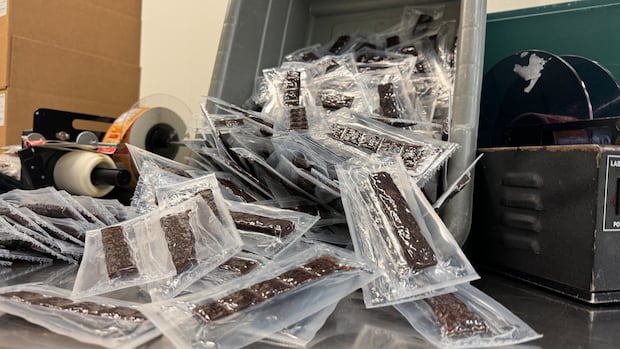

When Shianna Smart received an email claiming to be from NASA, like many others, she initially thought it was a fraud.
“At first, I was uncertain about its authenticity. I was cautious, but after we communicated further and gathered more details, it became thrilling,” remarked the co-owner of Trails End Buffalo Stix, located in Gull Lake, Saskatchewan, during an interview with Radio Canada.
She discovered that Canadian astronaut Joshua Kutryk had chosen her brand’s bison jerky to enjoy during the upcoming NASA-SpaceX mission to the International Space Station, scheduled to launch on October 1, subject to final approval.
In 2013, fellow Canadian astronaut Chris Hadfield already indulged in Saskatchewan’s bison jerky sticks while in orbit, back when the business was under different ownership.
“I was aware that it had made its way to space in the past… but I never imagined we would receive another request, so that was genuinely exciting,” stated Smart.
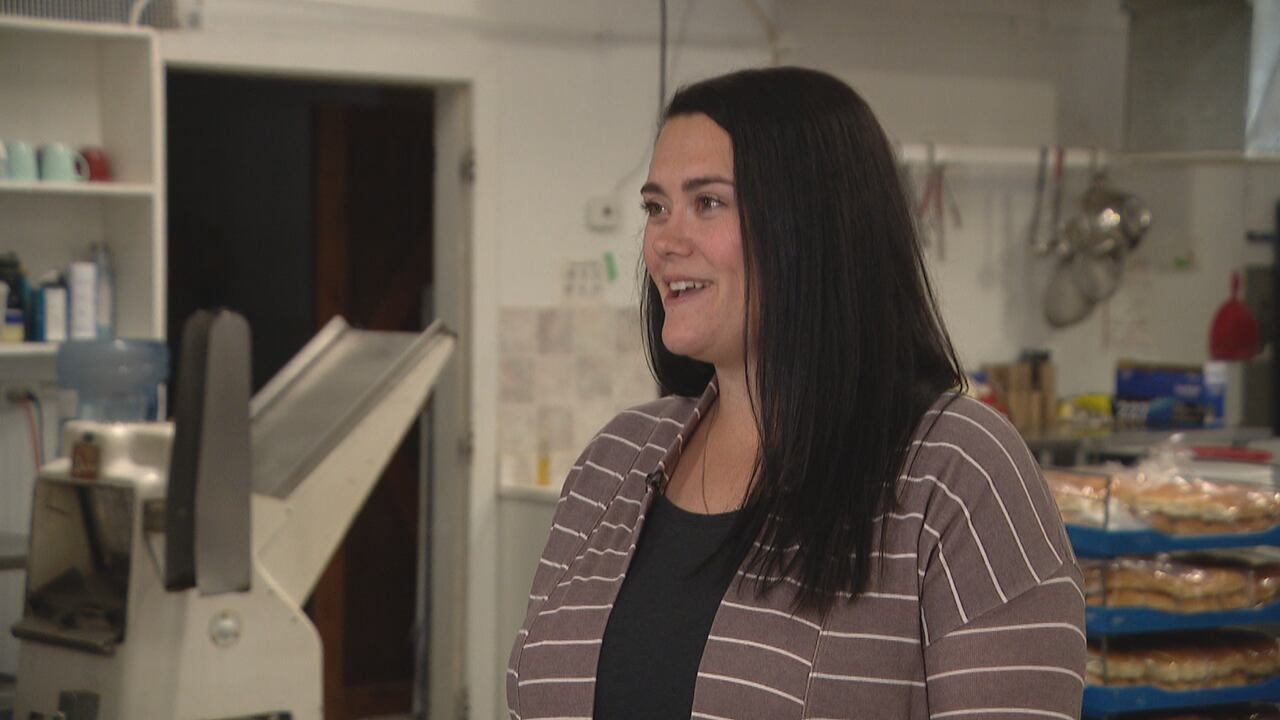
Shianna Smart was skeptical about the email notifying her business of the astronaut’s selection. (CBC)
She aspires for the space-bound jerky to demonstrate its suitability for various occasions.
“I hope many people see it and recognize that it would be perfect for my kids’ lunches, sports events, or travel,” she expressed.
Before being approved for space travel, the jerky underwent a selection process by the Canadian Space Agency (CSA) and NASA.
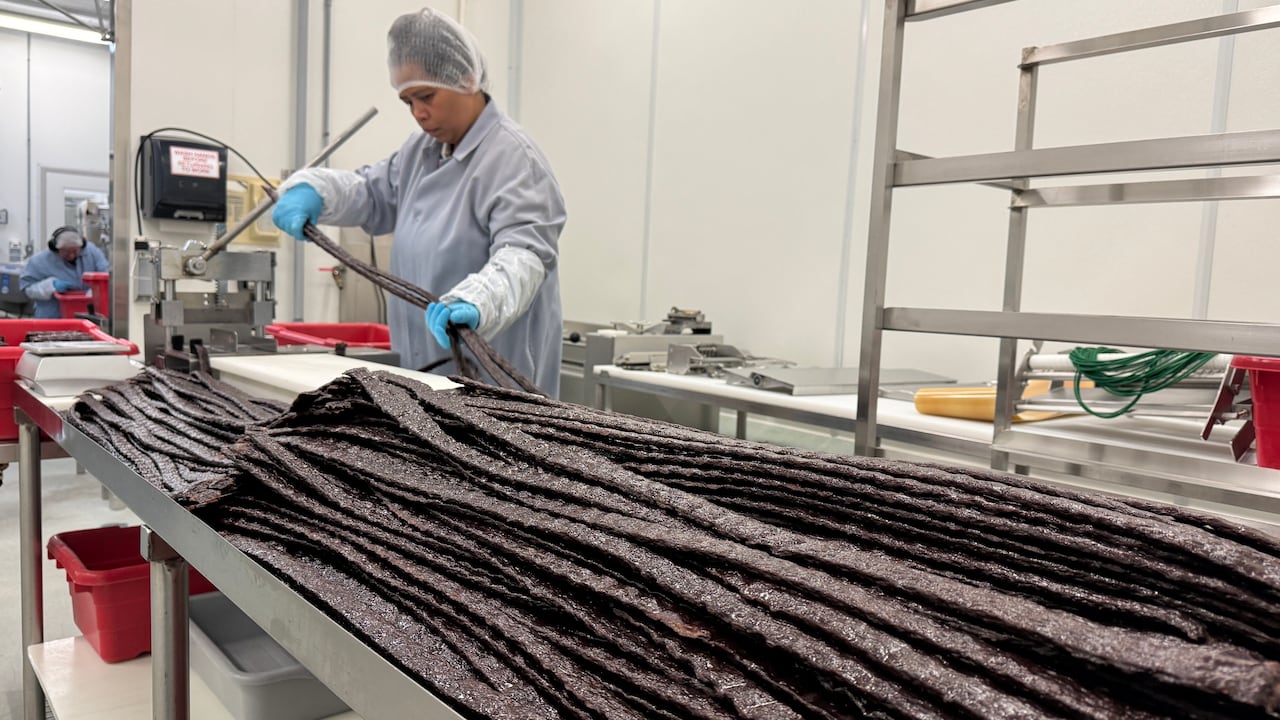
An employee assists in processing the jerky from Saskatchewan. (Julien Lecacheur/Radio-Canada)
According to Natalie Hirsch, who manages operational space medicine at the Canadian Space Agency, NASA supplies approximately three-quarters of the food for missions, but astronauts can select additional items, with the CSA providing Canadian alternatives.
“When astronauts are assigned to a mission, we meet with them to discuss their preferences, and based on that, we conduct market research to see what’s available,” she explained to Radio Canada.
Other criteria for selection include a shelf life of 18 months, appropriate packaging for space, and a lack of crumbs.
“Jerky products typically have a long shelf life, which is advantageous for space missions where refrigeration isn’t feasible,” she added.
Local support is vital for small businesses like this, according to Nolan Langer, assistant plant manager at the Saskatchewan Food Industry Development Centre in Saskatoon.
He noted that the facility has been producing jerky since it first opened nearly two decades ago.
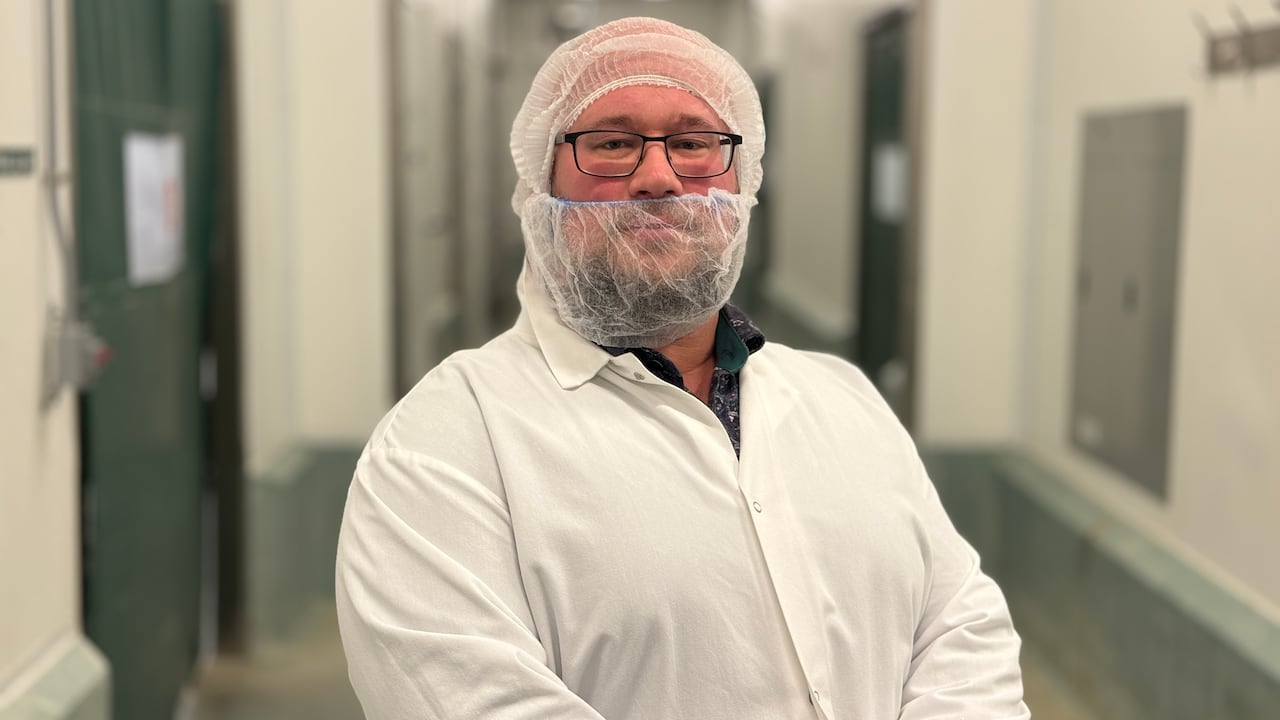
Nolan Langer emphasizes the importance of local business support for their success. (Julien Lecacheur/Radio-Canada)
“The Saskatchewan food centre is one of the few facilities in western Canada that processes for small clients, as there are no other places for them to get this specific work done,” he explained.
The Canadian items heading to space can include maple syrup from Ontario and Quebec, as well as salmon from the western coast.