


In the United Kingdom, cases of influenza are on the rise, predominantly due to the emergence of the H3N2 strain, also known as subclade k. Recent data from the UK Health Security Agency (UKHSA) indicates that the transmission of flu has reached ‘medium’ activity levels.
Statistics show a slight decrease in laboratory surveillance of influenza, with a weekly average positivity rate of 13.9% for the week ending January 8 compared to the previous week. Hospital admissions for influenza have maintained medium levels, with an overall admission rate of 7.19% per 100,000 individuals.
While the new strain can cause various unpleasant symptoms for the general population, certain high-risk groups, such as young people, the elderly, and individuals with weakened immune systems, are more susceptible to severe complications. These vulnerable groups are encouraged to receive a free flu vaccination through the NHS.
Professor Meghana Pandit, the NHS national medical director, highlighted the ongoing challenges faced by hospitals due to an increase in flu and respiratory virus cases. He emphasized the importance of seeking medical care as usual and emphasized the availability of vaccination opportunities to safeguard against flu.
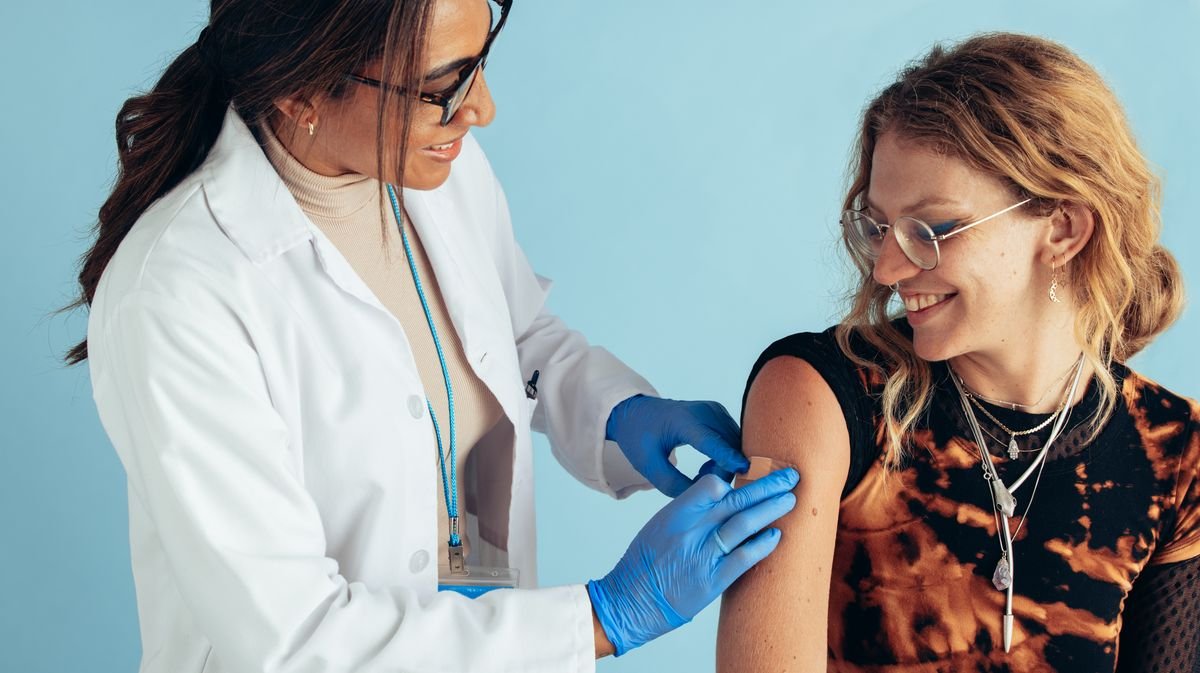
The flu vaccine acts as a defense against severe influenza by training the immune system to recognize and combat the virus. Administered through a small quantity of inactive flu virus, the vaccine stimulates an immune response in the body.
It typically takes around 10 days post-vaccination for the protection to become effective. It is essential to note that while the vaccine contains an inactive flu virus, it cannot cause flu infection.
Health Secretary Wes Streeting stressed the significance of vaccination as a preventive measure against the serious effects of flu, especially for vulnerable groups. Eligible individuals are encouraged to promptly receive their flu jab each year.
The NHS identifies six specific groups eligible for a free flu vaccination, which includes those needing extra protection or living with someone who does.
Eligible individuals can obtain the flu jab through various avenues, such as scheduling an appointment with their GP or booking at a pharmacy either online or via the NHS app for those aged 18 and above.
Certain pharmacies offer the NHS jab at no cost and accept walk-ins without prior appointments. However, not all pharmacies provide this service, and individuals can locate the nearest pharmacy offering the free jab online.
For more information on the flu vaccine, including its composition, details can be found on the NHS website.