

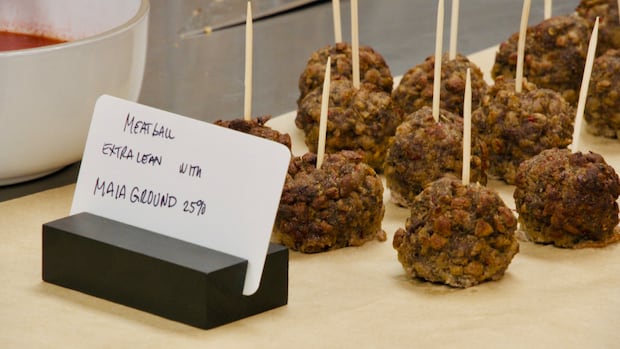

If the notion of consuming fermented liquid fungus from a bioreactor doesn’t appeal to you, the team at Maia Farms encourages you to give it a chance before dismissing it.
This Vancouver-based enterprise has developed a method to cultivate and harvest mycelium, the concealed, root-like structures of fungi that produce mushrooms.
“The bioreactor enables us to regulate the environment in which mycelium is cultivated,” stated Sean Lacoursiere, the chief innovation officer.
“It helps us maintain a constant flow and also provides the necessary aeration and oxygen for the mushrooms to thrive.”
The outcome is a food product that can be combined with various protein sources to enhance nutritional value and add bulk to meals.
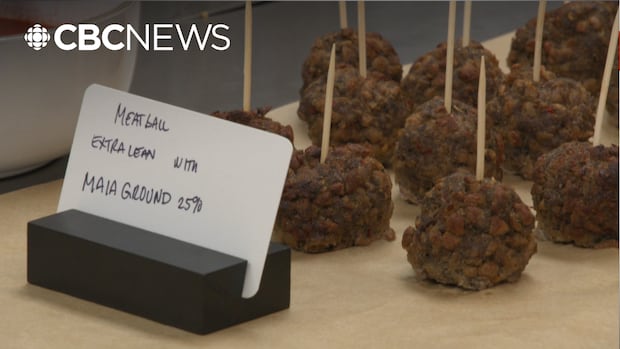
Restaurants are facing significant meat costs, and data indicates that prices are on the rise. Consumers are increasingly noticing these costs reflected in menu prices. A Vancouver-based company is aiming to stretch meat supplies by integrating mushrooms.
While mushroom ingredients are frequently incorporated into meat alternatives, Maia’s focus includes targeting the meat sector itself.
“We can enhance nutritional value, taste, and texture while decreasing the amount of meat required,” Lacoursiere elaborated.
This offering comes at a crucial time for restaurant owners and food retailers, who are grappling with rising meat prices.
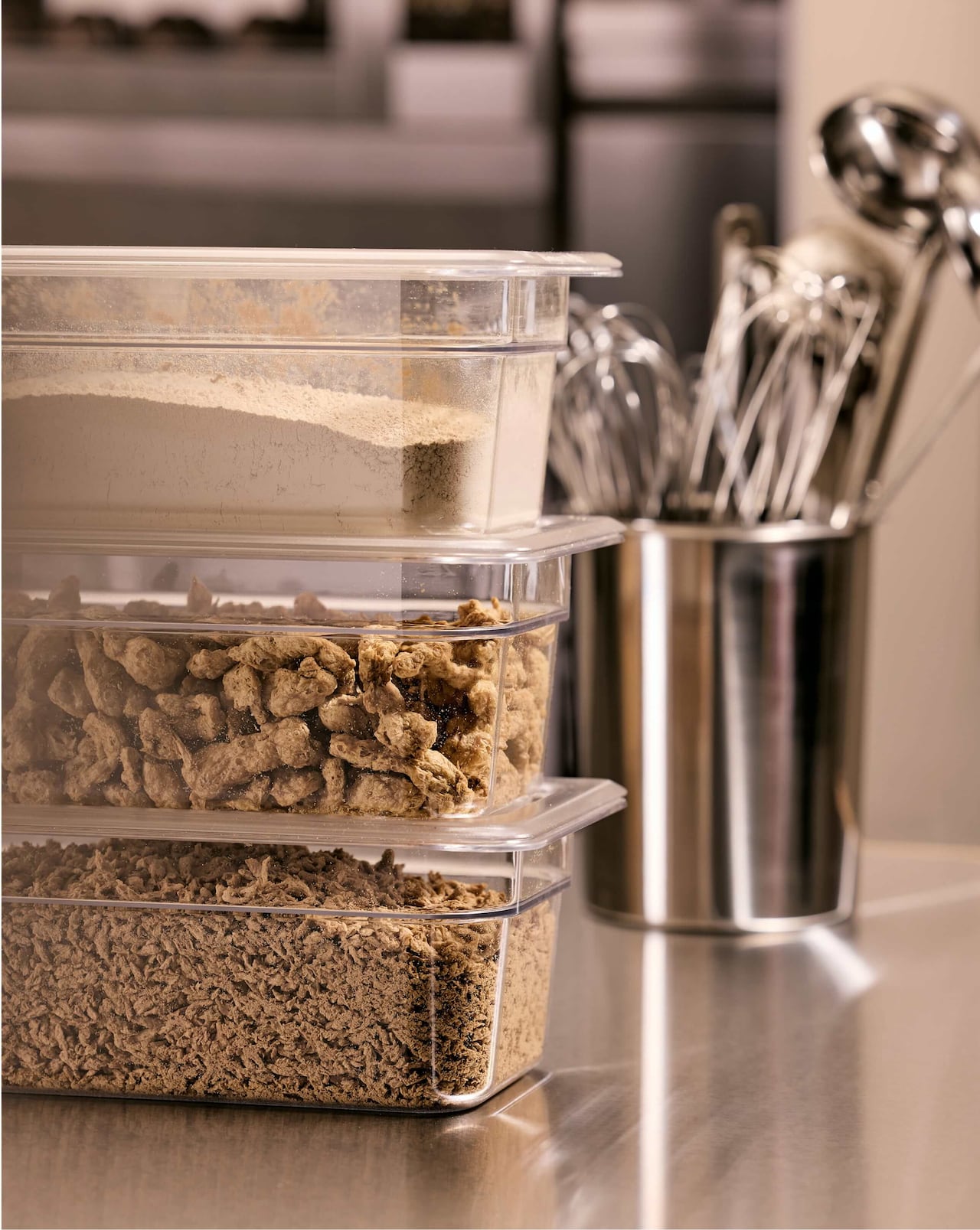
While mushroom products are often used in meat substitutes, one of Maia’s target markets is the meat industry itself. (Maia Farms)
As reported by Canada Beef, the average retail price of beef reached $28 per kilogram in April, marking a 15 percent increase compared to the previous year and nearing record levels.
Karen McAfee, director of food science and innovation at Maia Farms, indicated that mycelium could potentially substitute 25 to 40 percent of the meat in products like sausage rolls, meatballs, and burger patties.
“It helps to retain moisture… and also enhances the rich umami flavor,” she noted.
Better for the planet
The advantages of incorporating mushrooms into meat extend beyond just cost savings.
“Our calculations suggest that we produce about two kilograms of carbon dioxide for every kilogram of material,” Lacoursiere explained.
A 2024 report by the Canadian Roundtable for Sustainable Beef states that one kilogram of boneless beef consumed in Canada generates 32.8 kilograms of carbon dioxide.
This same quantity also requires 1,912 liters of water, which is nearly four times the 500 liters reported by Maia in their process.
“I don’t think many people truly realize the significant difference this type of product can make,” Lacoursiere remarked.
Finding consumers
Although meat alternatives are commonly found in Canadian grocery stores, the sales in this sector have been on a downward trend for several years.
The Good Food Institute, an American think-tank, has reported a decline in both dollar and unit sales of plant-based meat and seafood in the U.S. over the past three years.
“These drops were more pronounced than those seen in traditional meat and the overall food and beverage industry,” the report indicated.
Recently, Maple Leaf Foods of Canada announced it would be consolidating its U.S. plant protein production facilities down to just one site.
“Falling volumes have left our manufacturing network significantly underutilized,” stated CEO Curtis Frank in a message on the company’s website.
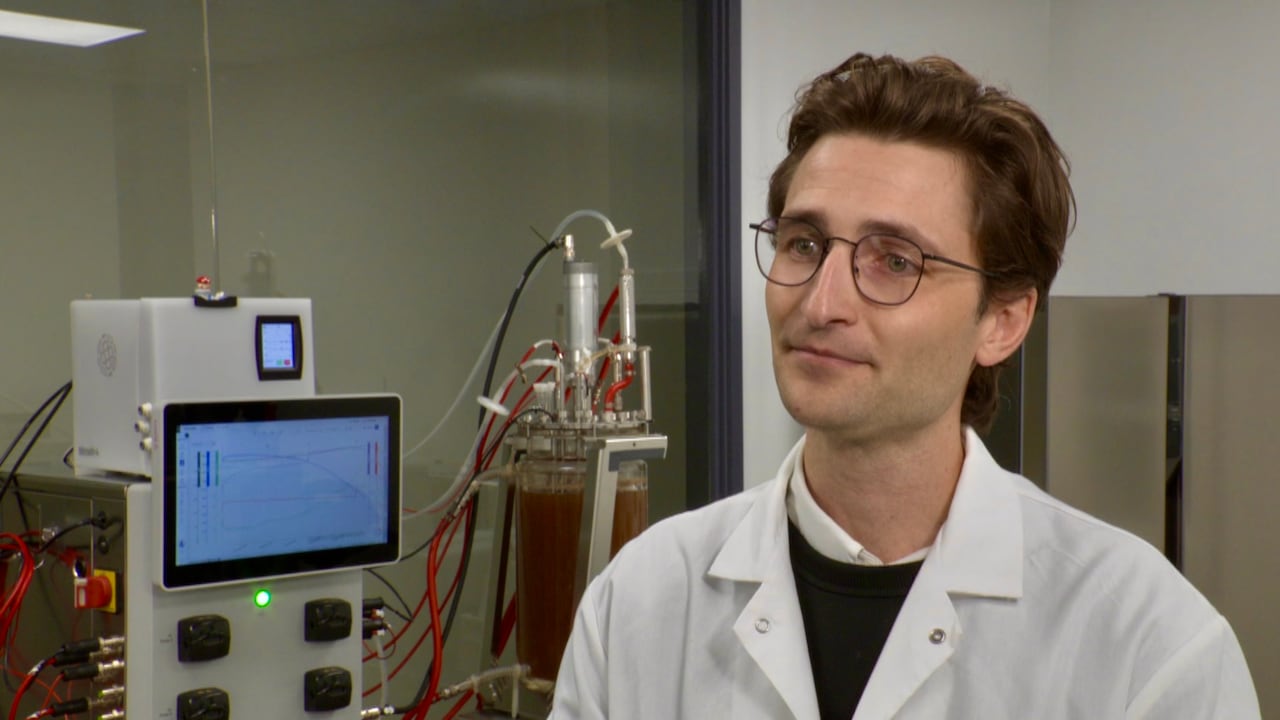
Sean Lacoursiere, chief innovation officer at Maia Farms, expressed that the company aims to produce mycelium on a large scale and at a competitive cost. (CBC News)
Lacoursiere is optimistic that Maia Farms can reverse this trend.
“Our primary objective is to produce mycelium at scale and in a cost-effective manner. We are already witnessing progress,” he stated.
Regarding the “ick” factor?
“It’s an oyster mushroom. People have enjoyed it for hundreds, if not thousands of years. It’s tasty. We simply discovered a method to cultivate it in a submerged liquid environment.”