


A significant number of individuals are now aware of the presence of microplastics in their food and beverages. Particularly, seafood has been identified as containing these particles, as studies have revealed their presence in nearly all fish and shellfish samples.
The production of plastic has been steadily increasing since the 1960s, resulting in approximately eight million metric tons of plastic entering the oceans annually. Over time, this plastic breaks down into microplastics, which are tiny fragments less than 5mm in length, due to the effects of sunlight degradation and wave action.
According to environmental expert Catherine Rolph, microplastics are not limited to seafood but can also be found in various other food types. She emphasized that the public is becoming more aware of the presence of microplastics in their food, especially in seafood, but exposure from other food sources is more common than people realize.
Research has shown that individuals may ingest anywhere from zero to 1.5 million microplastic particles per day through their food and drinks. Rolph highlighted five surprising foods known to contain these contaminants.
For instance, chewing gum, commonly made from a gum base comprising plastics and rubber, releases microplastics as it is chewed. Both synthetic and natural gum bases release similar amounts of microplastics, suggesting that contamination may occur during the production or packaging process.
Furthermore, salt products have been found to be contaminated with microplastics, with terrestrial salts like Himalayan salt showing higher levels of contamination compared to marine salts. Strategies such as using non-plastic salt grinders and storing salt in non-plastic containers can help reduce exposure to microplastics.
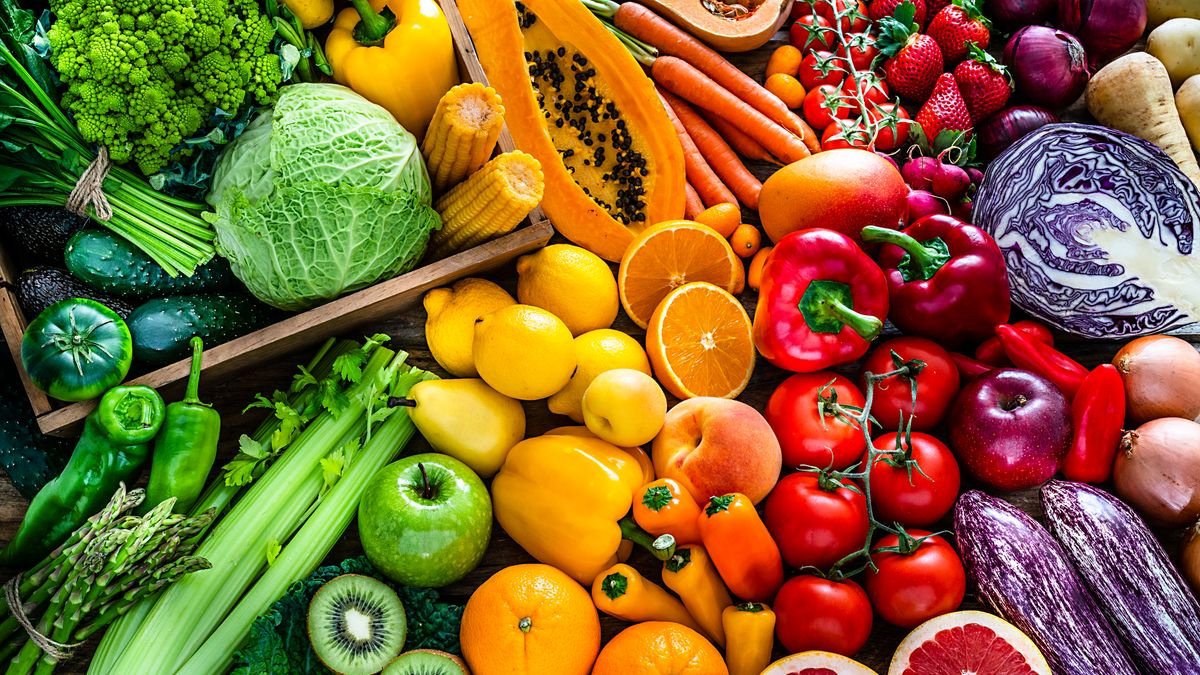
The presence of microplastics in fruits, vegetables, tea leaves, coffee, milk, and even hot beverages has also been documented. Consumers are advised to switch to glass containers for storing and microwaving food, opt for loose leaf tea, and use metal or glass reusable cups to minimize exposure to microplastics.
In conclusion, while eliminating plastics entirely from diets may be challenging, making these simple swaps can help reduce exposure to microplastics significantly.