

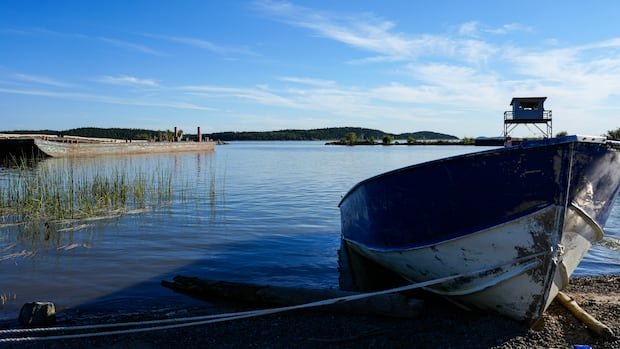

After more than 20 years of community appeals, a federally funded research initiative is set to investigate the health impacts of oilsands on residents of Fort Chipewyan, an Indigenous settlement in northern Alberta. The residents have long suspected a connection between cancer cases in Fort Chipewyan and the industrial activities upstream along the Athabasca River.
The study will analyze current and past health data, examine local disease patterns, and monitor both people and the environment. It will also evaluate how environmental changes influence the community’s culture and daily life. The investigation, known as Project Monument Hill, aims to merge Western scientific methods with Indigenous land knowledge to comprehend the correlation between environmental conditions, traditional land usage, and the well-being of the community.
Led by third-party researchers and supervised by the Métis Nation, the Athabasca Chipewyan First Nation (ACFN), and the Mikisew Cree First Nation (MCFN), the study has been allocated $12 million over ten years. The federal government will play a supervisory role in the process.
Dr. John O’Connor, a vocal advocate on cancer concerns in Fort Chipewyan since 2006, expressed satisfaction with the study commencement but voiced apprehension about the lengthy 10-year timeline. Past investigations into cancer rates in Fort Chipewyan have been criticized for not including individuals who left the community for cancer treatments.
Reports from the University of Manitoba in 2014 revealed high levels of heavy metals and industrial contaminants in flora and fauna crucial to the people of Fort Chipewyan. A previous study by the Alberta Cancer Board found elevated cancer rates in Fort Chipewyan compared to the rest of the province in 2009.
The study’s primary focus is to explore the impact of environmental variations on the health of the Indigenous population and their community, rather than concentrating solely on lifestyle factors. Limited publicly available data hinder the understanding of the relationship between cancer in Fort Chipewyan and the changes in the environment caused by oilsands development, according to experts.