

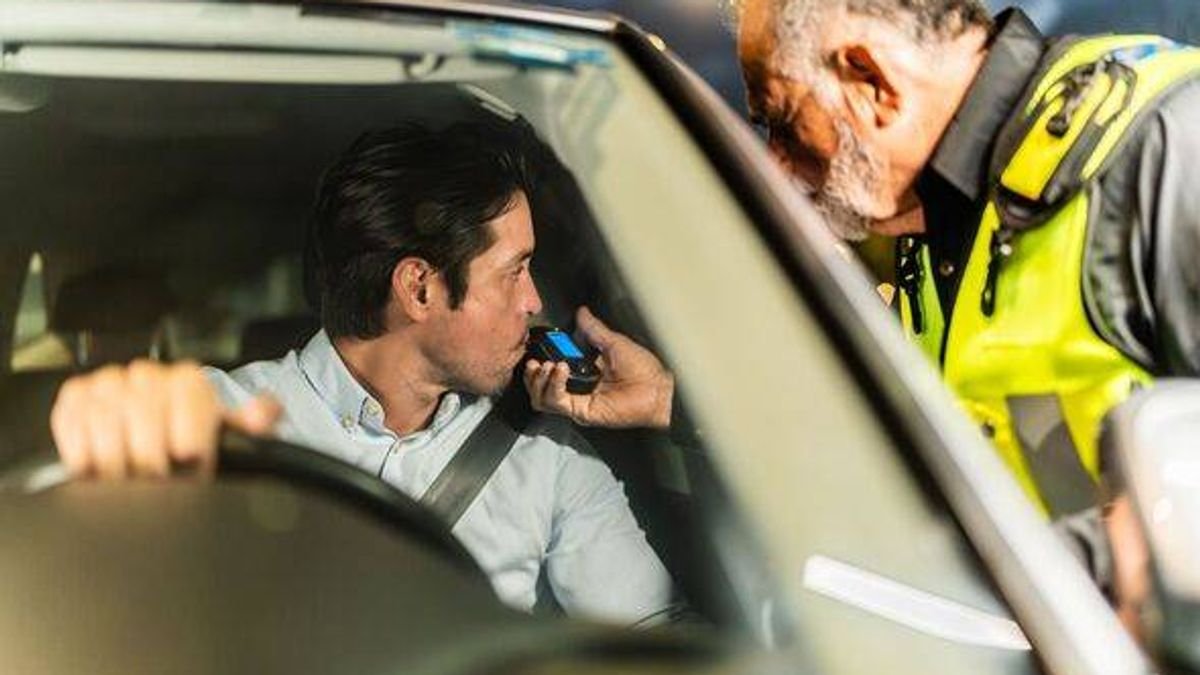

Labour’s transport minister, Lilian Greenwood, has strongly defended the government’s decision to reduce the drink-drive limit, stating that it is time to take action. She expressed empathy for families affected by alcohol-related car accidents and emphasized the need for stricter rules.
In contrast, Nigel Farage criticized the proposed lower limit, arguing that it would negatively impact rural pubs and suggesting that reducing traffic incident fatalities is challenging due to human error. However, Greenwood reiterated the importance of addressing alcohol-related collisions, citing the high number of deaths caused by drunk driving.
The new road safety strategy introduced by Labour aims to align England and Wales’s drink-drive limit with Scotland’s, potentially lowering it from 35 to 22 micrograms of alcohol per 100 milliliters of breath. This adjustment could mean that even a single pint could put some individuals over the limit, depending on factors like age, weight, and sex.
Additionally, the government plans to consider implementing a lower limit for new drivers, potentially introducing breathalyser devices called “alcolocks” for convicted offenders. Random stop-and-search checks by police may also be conducted to detect drivers under the influence of alcohol.
Recent statistics show that in 2023, one in six road fatalities involved drink driving. The family of Lillie Clack, a victim of a drink-driving crash, expressed support for the proposed drink-drive limit changes. Debbie Clack, Lillie’s mother, praised the government for addressing the issue seriously.
In response to criticisms, a Labour source challenged Farage’s stance on road safety, highlighting the importance of government actions in reducing fatalities. The British Beer and Pub Association acknowledged the efforts to promote responsible drinking but expressed concerns about potential trade impacts on pubs, particularly in rural areas.
Despite concerns raised, studies suggest that Scotland did not experience significant negative effects on the pub trade after lowering the drink-drive limit in 2014. The government’s decision to prioritize road safety through stricter regulations reflects a commitment to reducing alcohol-related accidents and fatalities.