

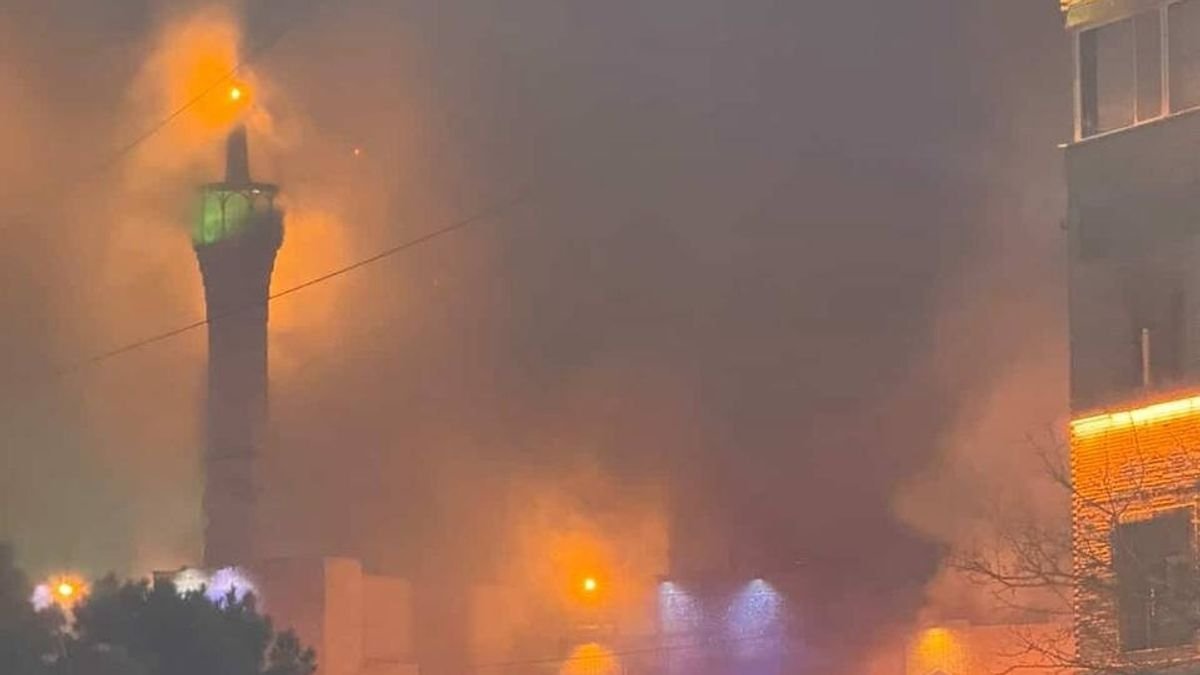

Iranian officials are ramping up efforts to curb the spread of information regarding nationwide unrest. Reports indicate that security forces in Tehran are conducting house-to-house searches, confiscating satellite dishes and footage from CCTV cameras to identify protesters and suppress the dissemination of information.
Undercover agents from the Revolutionary Guard are disguising themselves as water and electricity personnel to gain entry into residences and seize satellite equipment. This crackdown on satellites follows a countrywide telecommunications shutdown that commenced on January 8. With phone networks disrupted, satellite devices are now the primary means of communication, as the nation has been offline for over 100 hours.
The digital blackout was confirmed by the Internet monitoring group NetBlocks, who stated that the blackout had reached the 100-hour milestone by Monday evening local time. This nationwide communication blackout has instilled fear and anxiety among Iranians, both within the country and abroad.
Human Rights Watch Executive Director Philippe Bolopion criticized Iran for implementing the blackout to conceal reports of security forces’ alleged large-scale killings of protesters. Bolopion expressed deep concern for individuals detained by authorities, facing severe accusations that could lead to the death penalty.
UK Foreign Secretary Yvette Cooper condemned the violence in Iran and urged the Iranian government to halt the brutality, respect fundamental rights, and ensure the safety of British nationals. The US Virtual Embassy in Iran advised American citizens to leave the country immediately due to escalating violence and protests.
President Donald Trump has been briefed on the situation, with potential actions including military strikes, cyber operations, and psychological measures to support protesters. While no final decision has been made, diplomatic channels remain open for further discussions.