


A coalition representing multiple First Nations in British Columbia is urging the governments of Ottawa and Alberta to stop advancing the West Coast pipeline, citing concerns that expanding the oil industry will hasten climate change and related disasters.
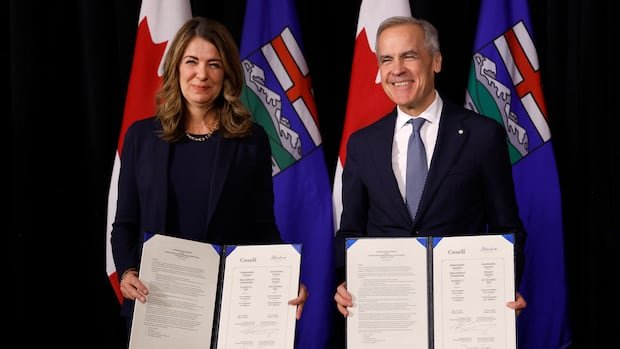
In a letter addressed to Prime Minister Mark Carney and Alberta Premier Danielle Smith, the Union of British Columbia Indian Chiefs emphasized the widespread negative impacts of bolstering fossil fuel production, pointing to events like severe wildfires, floods, and rising sea levels already affecting the country.
The group released the letter on the International Day of the World’s Indigenous Peoples to underscore its opposition to the pipeline due to what it perceives as inadequate consultation and cooperation with First Nations by the government.
Recent wildfires in British Columbia, which prompted a state of emergency declaration by the provincial government, further underscored the urgency of the coalition’s concerns. The Indigenous alliance criticized the government’s push for the pipeline, highlighting the lack of meaningful dialogue and accusing authorities of pre-determining the project without genuine input from Indigenous communities.
In response, Karah Folk, spokesperson for Alberta’s Ministry of Indigenous Relations, defended the project, stating that it will bring long-term benefits to Indigenous groups and that consultations will continue throughout the process.
The proposed 1,250-kilometer West Coast pipeline aims to transport over a million barrels of crude oil daily from Bruderheim, Alberta, to a port near Delta, British Columbia, for international export. The Alberta government is leading the project, with ownership shared among Trans Mountain, the Alberta Petroleum Marketing Commission, and Pembina Pipeline Corp.
Despite opposition and environmental concerns, Ottawa has taken steps to potentially designate the project as being of national interest, a move that could expedite its development. The government is currently seeking public feedback on this designation until mid-September.
Furthermore, the pipeline’s progress is contingent on a carbon storage initiative called Pathways, designed to mitigate emissions resulting from increased oil production. This project involves transporting carbon emissions from various sites in northern Alberta to an underground storage hub near Cold Lake, Alberta.
The West Coast pipeline is part of several initiatives approved or proposed under Carney’s Major Projects Office, with the government emphasizing national interests, economic benefits, Indigenous empowerment, and climate change goals as key drivers for these projects.