

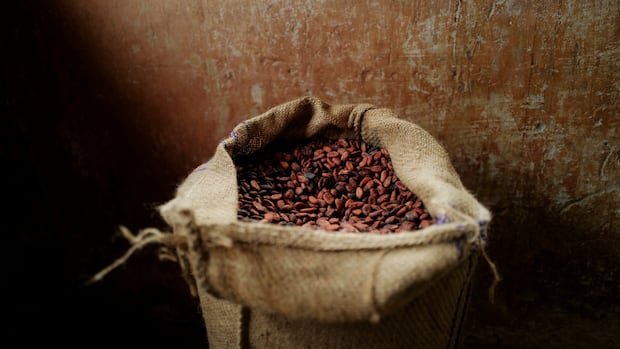

A recent peer-reviewed study highlights a lesser-known threat to cocoa production amidst the surge in cocoa prices. While heat and drought have been the primary climate concerns, heavy rainfall emerges as the most significant weather risk to cocoa cultivation. The study, focusing on Ghana, the world’s second-largest cocoa producer, reveals that extreme rainfall during flowering greatly impacts cocoa yields compared to temperature variations.
The excessive rainfall can harm sensitive cocoa flowers and young pods, leading to reduced yields and increased fungal infections like black pod disease. Researchers note a clear climate signal as warmer air holds more moisture, resulting in more intense rain events during the wet season over the past few decades. Additionally, the study underscores non-climactic risks such as aging trees and illegal gold mining, further threatening cocoa production.
Experts emphasize the need for interventions like fungicide use and improved drainage to mitigate fungal diseases’ spread. Some cocoa farmers in Ghana face challenges due to inadequate infrastructure, including a lack of reservoirs to store rainwater and inefficient post-harvest processes. These issues, compounded by climate shocks, are making cocoa farming less attractive in West Africa, potentially leading to a decline in smallholder farmers.
In response to these challenges, innovative approaches like cocoa-free chocolate alternatives are gaining traction in the industry. Major players, such as Nestlé, are exploring partnerships with cocoa-free chocolate startups, offering products made from alternative ingredients like sunflower seeds. Despite the recent spike in cocoa prices, experts warn that the future of cocoa farming may face significant disruptions, pushing chocolate producers towards more resilient supply chains.