

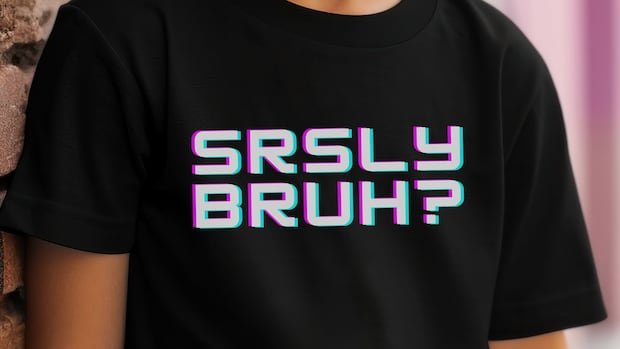

Sam Joseph Karam was surprised when Etsy informed him that 11 of his T-shirt designs featuring the term “bruh” had been removed due to a trademark violation. Karam, the owner of Customized Designs, a U.S.-based apparel company selling on platforms like Etsy, found it unusual to have multiple listings taken down in succession. The removal of his Star Seller badge by Etsy following the takedowns led to a noticeable decline in his sales.
The notification from Etsy stated that the complaint was filed by Malik Yawar Abbas, the holder of a Canadian trademark for the term “bruh.” Karam and other Etsy sellers shared similar experiences of having their listings removed after reports by Abbas. Karam criticized Abbas for what he called “trademark squatting,” where the trademark holder aims to profit by licensing the term rather than producing any products.
The Canadian Intellectual Property Office (CIPO) issued a trademark for “bruh” in July 2025, allowing its use in various clothing categories. Additionally, another trademark for the same term was recently granted to Abbas for advertising restaurant services. Karam discovered Abbas’s website, showcasing licensing options for the “bruh” trademark, but not offering any clothing for sale.
Abbas proposed a $1,000 settlement to withdraw the complaint against Karam’s Etsy listings, which Karam rejected, citing bad faith intentions. Despite Abbas claiming the trademark was for legitimate commercial purposes, Karam felt the actions were unjust. Abbas eventually withdrew the complaint after the designs were taken down, but Karam expressed concern about the impact on his business.
Legal experts highlighted the potential for challenging the trademark based on bad faith under Canadian law. The trademark system’s boundaries are being tested in this case, raising questions about trademark enforcement and potential loopholes. Tighter regulations and improved processes for handling trademark disputes on online platforms were suggested to prevent similar incidents in the future.