


Canada’s economy experienced robust growth in the second quarter, fueled by a surge in exports and increased domestic investment, as per data from Statistics Canada. The economy expanded by 3.3% on an annualized basis in Q2, with GDP rising by 0.3% in June. While the growth rate was slightly below economists’ expectations, it exceeded the Bank of Canada’s forecast of 2.5%.
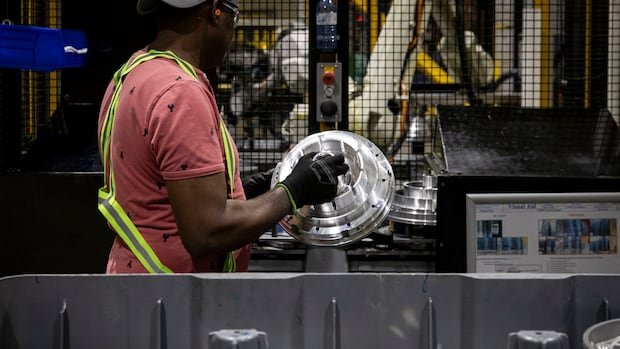
Exports climbed by 3.6%, primarily driven by higher auto exports. Residential investment also played a significant role in boosting the economy, especially with increased home resale activity in Ontario, British Columbia, and Quebec.
Business investment saw growth as well, with a 2.3% increase in business capital investment. Investments in machinery and equipment, particularly in computers and peripherals, surged by 16.7%, attributed to the demand for processing units in data centers.
Corporate incomes benefited from the energy sector’s performance, supported by elevated gas prices. However, manufacturing firms faced challenges due to increased input costs from high gas prices. Household spending rose by 0.8%, driven by higher consumer investments in cars and rent.
The quarterly report painted a positive overall picture, reflecting confident consumers, a stronger labor market, and increased business investment. Notably, various industries experienced solid growth in June, with sectors like tourism, hospitality, and manufacturing showing expansion.
Earlier concerns about a potential technical recession were dispelled as Statistics Canada revised the first-quarter GDP growth to a modest 0.3%. With the strong growth in the second quarter, the notion of a technical recession was dismissed.
Looking ahead, challenges loom as initial estimates for July indicate flat growth, and trade tensions with the U.S. pose uncertainties. Economists warn that the momentum from the second quarter may face headwinds due to tariff impacts. The upcoming interest rate decision by the Bank of Canada on September 2 is anticipated to maintain the current rate of 2.25%, pending the resolution of economic uncertainties.