

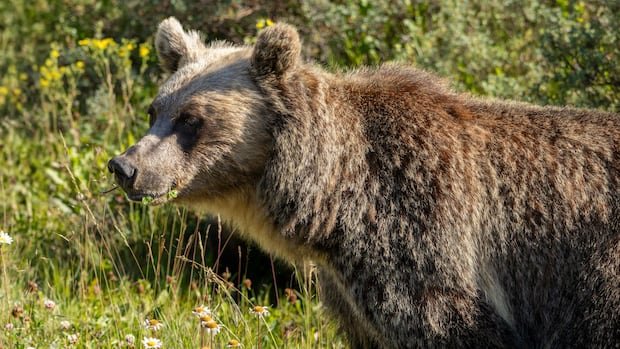

The Alberta government has reported a notable increase in the number of grizzly bears killed by hunters authorized through the Wildlife Management Responder Network in recent months. A total of 13 grizzly bears have been killed this year, with 11 of them being hunted within the last three and a half months, mainly due to livestock predation.
Since the initiation of the program in June 2024, 14 grizzly bears have been killed by hunters, with only one being killed in 2025. The province’s “problem wildlife” responders, comprising selected qualified Alberta hunters, are activated when deemed necessary to address situations where a grizzly bear needs to be put down.
The Ministry of Forestry and Parks stated that their wildlife management strategy is guided by science and expert advice, prioritizing public safety, conflict reduction, and grizzly bear population recovery. Grizzly bear deaths authorized by the program have occurred outside designated recovery areas, aligning with the provincial Grizzly Bear Recovery Plan.
Designated as a threatened species in 2010, grizzly bear management in Alberta abides by provincial guidelines, considering factors like attacks on livestock, pets, or humans when determining appropriate responses to incidents. Although grizzly hunting has been prohibited in Alberta since 2006, exceptions exist for Indigenous hunters for cultural or subsistence purposes.
While the number of grizzly bears killed through the responder program has risen, the province indicates that the human-caused bear mortality rate in 2026 is lower than in previous years, aligning with recovery objectives. The province emphasizes achieving recovery goals and proactive management approaches to address conflicts, especially in areas with overlapping agricultural activities and grizzly bear habitats.
In southwestern Alberta, where the majority of grizzly bear killings have occurred, there is a high bear population density. Effective wildlife coexistence measures are crucial in regions where grizzly bear ranges intersect with inhabited areas. Coexistence programs, conflict mitigation strategies, population monitoring, and, when necessary, lethal removals are deemed essential for managing human-bear interactions. The province has allocated funds for initiatives to safeguard rural properties from large carnivores, including grizzlies, in southwestern Alberta. While an estimated 1,000 grizzlies inhabit Alberta presently, an updated provincial grizzly bear population study has not been conducted since 2018.