

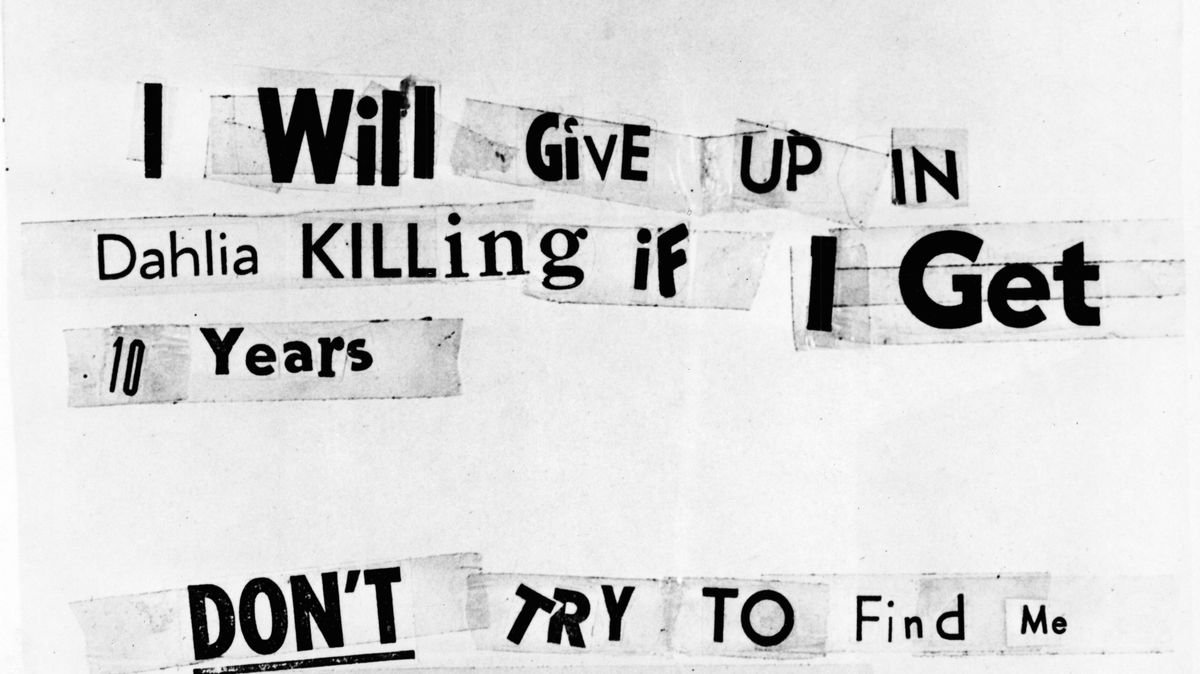

Seventy-nine years ago, on January 15, a shocking discovery rocked Los Angeles, sparking creative works that endured through the years. The incident became a notorious unsolved mystery in U.S. history due to its extreme violence and the provocative letters sent to newspapers afterward.
In the early hours of January 15, 1947, a passerby stumbled upon a gruesome sight in a vacant lot on South Norton Avenue in the Leimert Park area of Los Angeles. The individual found a woman’s body, horrifically severed at the waist, drained of blood, meticulously cleaned, reassembled, and posed. The lower part of her body was placed near the upper half, with her hands above her head and legs spread apart.
Identified later as Elizabeth Short, the woman had been mutilated from the corners of her mouth to her ears, resulting in what investigators termed a “Glasgow smile.” Portions of her flesh had been excised from her thighs and breasts, and examination revealed marks of binding on her wrists, neck, and ankles, indicating she had been restrained. The autopsy indicated she had died about ten hours earlier.
Short had died from bleeding caused by facial injuries and shock from repeated head and facial traumas. Following her death, the perpetrator split her body using a hemicorporectomy method, showing a deep understanding of anatomy. Bruises suggested some injuries were inflicted before death, while the lacerations occurred postmortem.
Despite some evidence pointing to possible sexual assault, tests for semen yielded negative results. In response to the incident, the Los Angeles Police Department launched an extensive investigation, involving a large number of officers, sheriff’s deputies, and state patrol personnel.
Over 150 men were interrogated as potential suspects, including those who knew Short and individuals who had contact with her before her demise. However, no one was charged due to insufficient evidence, despite thorough searches of various locations.
The LAPD received numerous confessions in the aftermath of the murder, with over 60 individuals initially coming forward, eventually growing to 500, though most were eliminated as suspects. The case garnered significant public attention, with media sensationalizing Short’s death, labeling her the “Black Dahlia,” and focusing on speculative aspects of her life.
Journalists went to great lengths to uncover details about the victim, even contacting her mother before she was informed of her daughter’s death, under false pretenses. Letters claiming to be from the killer were sent to the press, including personal items of Short’s. Despite these efforts, the case hit a dead end by February 1947, with a subsequent grand jury criticizing the LAPD’s investigative flaws in 1949.
Elizabeth Short was laid to rest in the Mountain View Cemetery in Oakland, California, where her grave attracts true crime enthusiasts. Her murder led to significant societal changes, with legislation for a sex offender registry being proposed shortly after her death. Short’s story has been retold in various forms of media, including books, films, and television shows.
Works such as James Ellroy’s novel “The Black Dahlia” and its film adaptation, as well as portrayals in other productions, have immortalized her tragic tale within the context of post-war Los Angeles crime.