

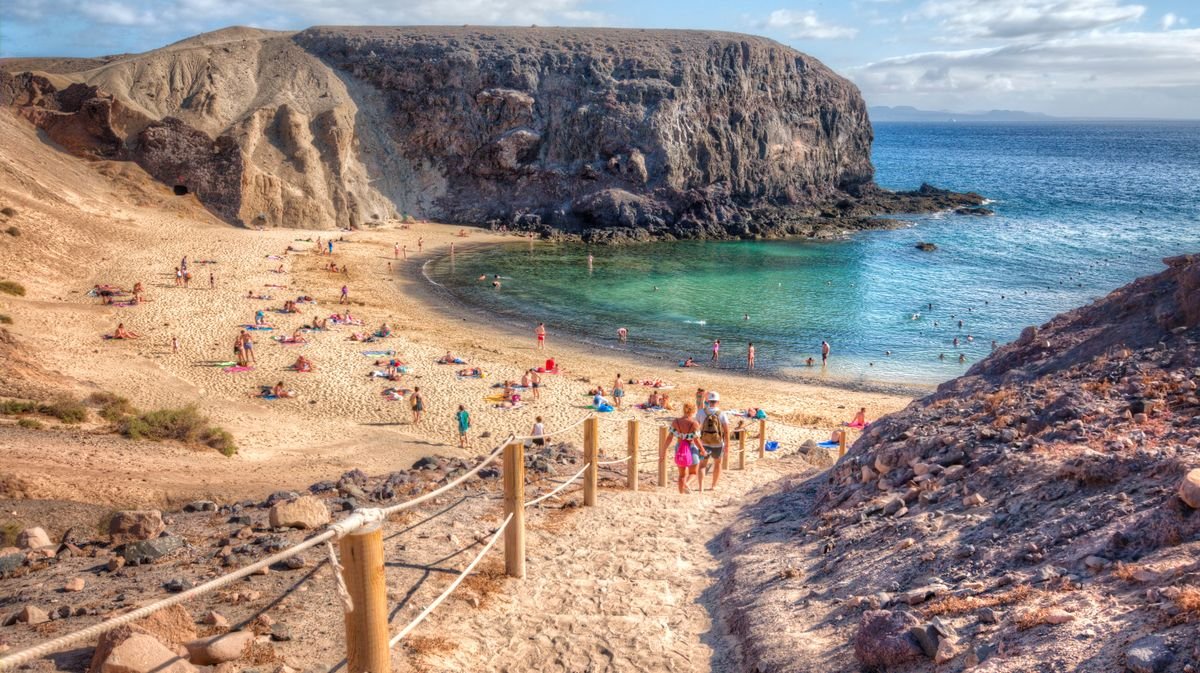

Following years of protests against excessive tourism, the Canary Islands have been included on a significant ‘avoid travel’ list. This island chain of Spanish territory, situated off the coast of Africa, has been featured on Fodor’s ‘No List’ for 2026, an annual compilation by the American publication. The list aims to draw attention to destinations where tourism is exerting unsustainable pressures on the environment and local communities.
Fodor’s highlights the increasing strain on the Canary Islands, with a record 7.8 million visitors and over 27 million airport passengers in the first half of 2025, marking a 5% rise from the previous year.
In response to the escalating influx of tourists, residents in Tenerife, Gran Canaria, and Lanzarote protested under the slogan “Canarias tiene un límite ” (The Canaries have a limit). They argue that the continuous growth in tourism, coupled with soaring housing costs and environmental strain, is jeopardizing the island’s way of life.
The issue poses a dilemma as tourism contributes over a third of the Canary Islands’ GDP and employs around 40% of the population. John Dale Beckley, the founder of sustainability platform CanaryGreen.org, emphasized the frustration among residents due to issues like increased traffic and rising property prices driven by regulations allowing property rentals on platforms like Airbnb and Booking.com.
Environmental groups like Asociación Tinerfeña de Amigos de la Naturaleza have raised concerns about the scarcity of local spaces due to an influx of vacation rentals, making it nearly impossible for locals to find affordable housing. The islands face a situation where tourist accommodation surpasses that available to the local population in several areas.
Critics have long warned about the strain of overtourism on the Canary Islands, with calls for sustainable tourism practices to preserve the unique environment and culture of the region. Challenges extend beyond housing, as the islands heavily rely on imported food, impacting the local economy and environment.
To address the issues, the regional government has implemented measures such as restricting new properties from being used as short-term rentals, requiring permits for landlords, and allowing communities to decide on the usage of apartments for tourism purposes.
At Reach and across our entities we and our partners use information collected through cookies and other identifiers from your device to improve experience on our site, analyse how it is used and to show personalised advertising. You can opt out of the sale or sharing of your data, at any time clicking the “Do Not Sell or Share my Data” button at the bottom of the webpage. Please note that your preferences are browser specific. Use of our website and any of our services represents your acceptance of the use of cookies and consent to the practices described in our Privacy Notice and Terms and Conditions.