

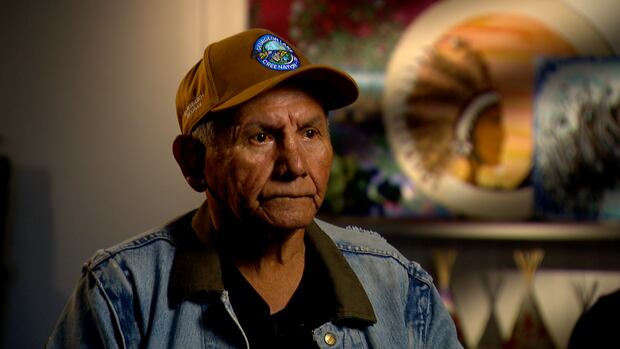

In 1943, Johnny Kiyawasew passed away at the age of 11 in a modest hospital located in northern Alberta, far from his family in the Sturgeon Lake Cree Nation.
Compelled to attend the St. Francis Xavier Residential School operated by the Catholic Church in Calais, Alberta, Johnny never returned to his home, and it took many years for his siblings to discover what had occurred to him.
“My parents, especially my dad, were never informed of anything. They issued a death certificate without his knowledge,” stated Robert Kiyawasew, Johnny’s younger brother.
“It’s unjust… the church should have notified my dad of his death.”
After enduring years of uncertainty, Robert Kiyawasew mentioned that his older sister Roseann, with the assistance of a private investigator, located Johnny’s burial site in 2013.
“The caretaker said, ‘I know precisely where he’s buried and I’ll take you there,'” Robert Kiyawasew recalled.
Provincial records indicate that Johnny succumbed to pulmonary tuberculosis in a hospital in High Prairie, where he was laid to rest, situated more than 75 kilometers from the residential school.
Currently, both Sturgeon Lake Cree Nation and the University of Alberta are engaging in comprehensive research aimed at uncovering the narratives of children like Johnny, including many relatives, who attended residential schools and never returned home.
‘It is heartbreaking’
Sheldon Sunshine, chief of Sturgeon Lake Cree Nation, noted that research indicates a significant number of children who were enrolled at St. Francis Xavier died due to tuberculosis and malnutrition.
“These are not just statistics; they are individuals,” said Sunshine.
“Seeing the names is sorrowful, as it reflects the hardships our people endured, many losing their lives because of the conditions they faced in that school. It is truly heartbreaking.”
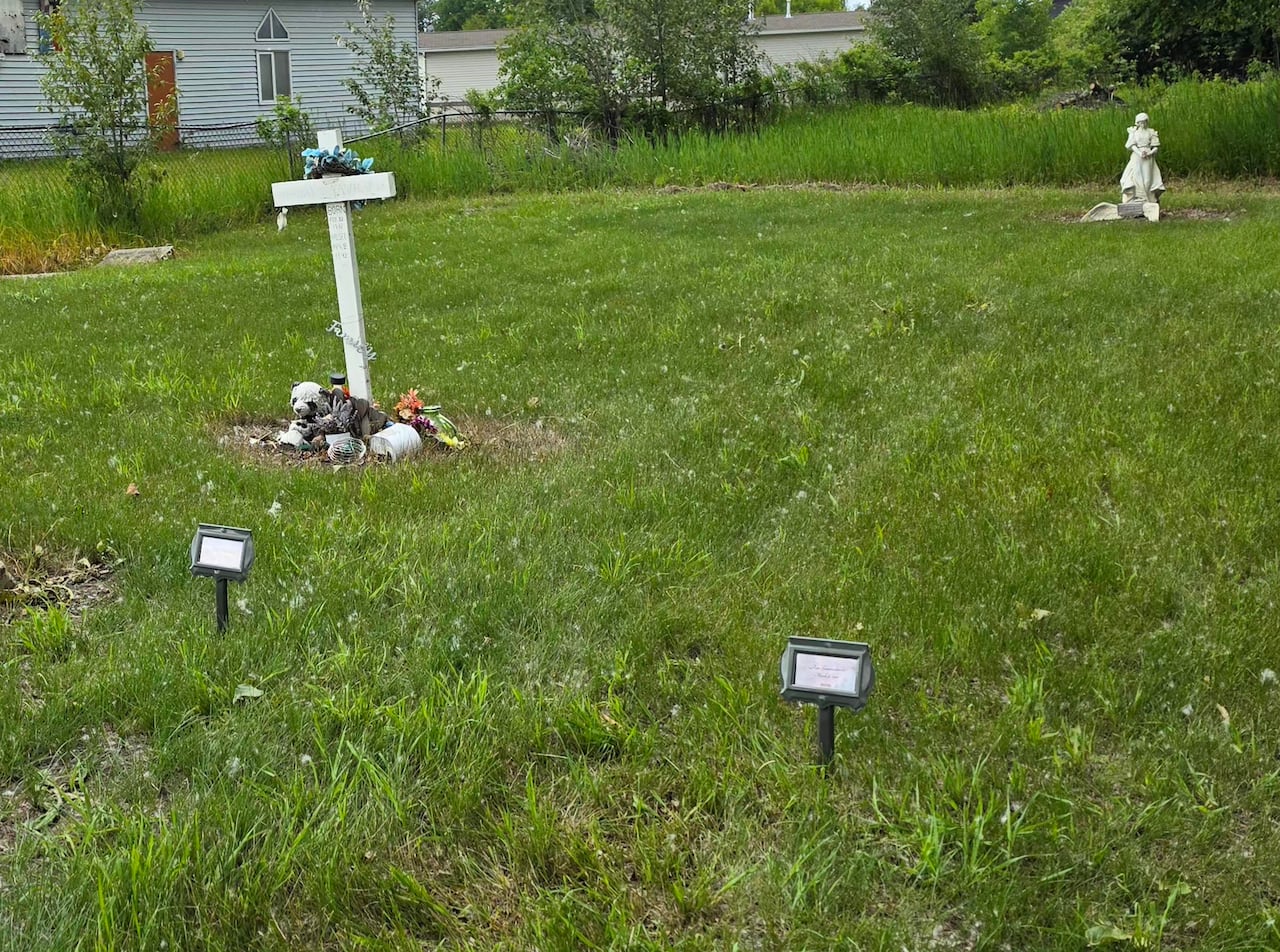
The grave of Johnny Kiyawasew is located in High Prairie, Alberta, where he passed away in a hospital. “I visit every time I have a chance now. To see that lonely little grave, out there all alone,” says Robert Kiyawasew. (Submitted by Kiyawasew family)
Robert Kiyawasew expressed gratitude that his sister was able to find Johnny’s resting place before her passing.
“I make a visit whenever I can now,” Robert Kiyawasew shared.
“To see that lonely little grave, all by itself.”
Robert Kiyawasew discusses his family’s extensive search for his brother Johnny, who was compelled to attend the St. Francis Xavier residential school near Sturgeon Lake Cree Nation.
Having survived a day school himself, Robert Kiyawasew stated that he faced similar injustices as his siblings who attended St. Francis Xavier, including punishment for using their native language.
“To treat us Indigenous people as if we don’t exist… no,” remarked Robert Kiyawasew.
“We have a rightful place in our culture. Our heritage is our right to embrace.”
-
After 50-year search, Inuk mother finds daughter’s grave 2,000 km from home
-
Letitia John died at a residential school. Her identity was lost until now
As per the Sturgeon Lake residential school narrative from the National Centre for Truth and Reconciliation (NCTR), a report detailing the school’s history prepared by the Government of Canada in response to legal actions indicates that at least five children passed away at the institution in 1943.
It cites a 1943 document stating that the school “is falling into disrepair and poses health risks for Indigenous children as well as being a fire hazard,” adding that several student fatalities “last winter” were attributed to “the lack of comfort” caused by inadequate heating.
Challenges in acquiring records
Raymond Frogner, senior director of research and head of archives at the National Centre for Truth and Reconciliation, explained that records from residential schools were often chaotic, inconsistent, and unreliable.
“It was overseen by church organizations, alongside private entities, provincial governments, and federal authorities, and none of these groups coordinated with each other,” Frogner explained.
“It’s akin to piecing together a jigsaw puzzle with missing pieces.”
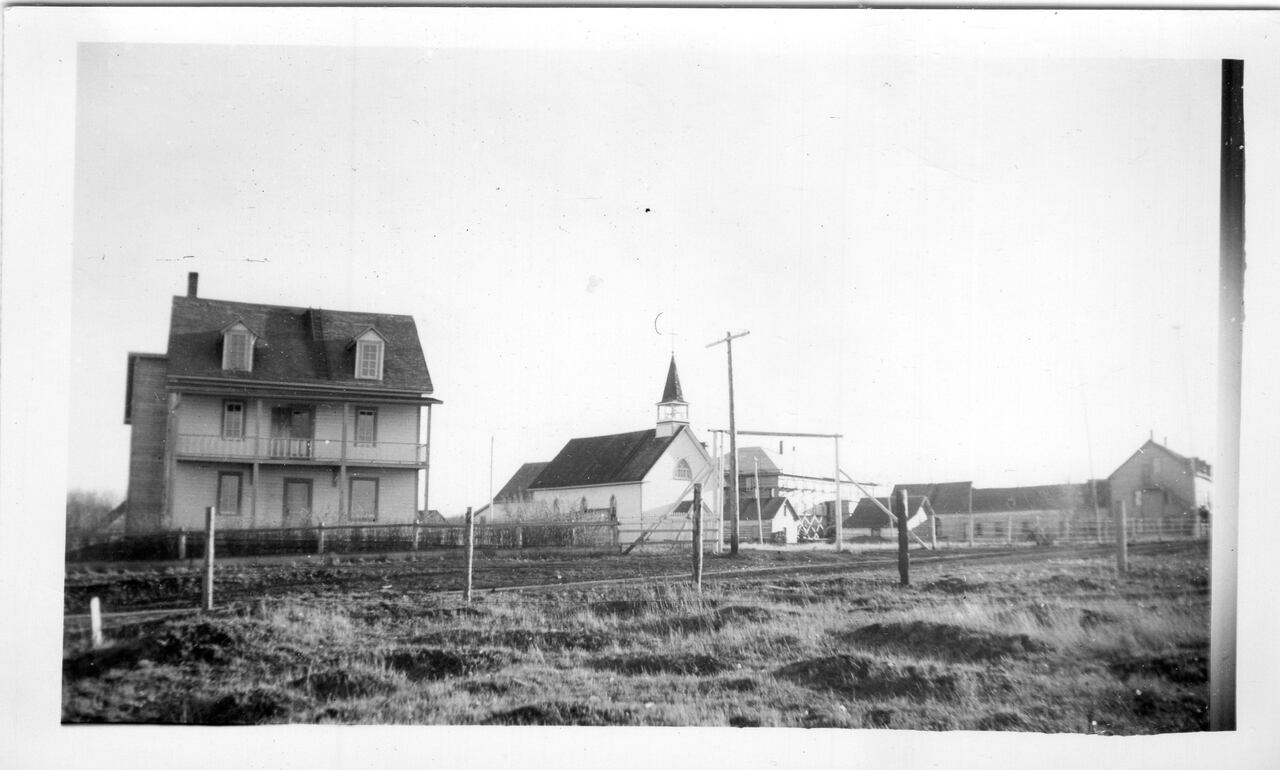
A historical image of the grounds of St. Francis Xavier residential school at Sturgeon Lake Cree Nation, date unknown. (Submitted by Sturgeon Lake Cree Nation)
Frogner noted that many church records are inaccessible, contain incorrect dates compared to provincial or federal documents, and are frequently withheld when located.
Sunshine mentioned that Sturgeon Lake researchers have been informed on several occasions by church representatives that they will only release records to individuals with familial connections.
“How can you have family ties when many are passing on?” Sunshine questioned.
“That truly hinders our ability to uncover that information…. It’s going to restrict our efforts to identify all of our children.”
Sunshine affirmed that the First Nation will persist in piecing together the stories of children who attended St. Francis Xavier and never returned.
“If we do not know the whereabouts of these children, how can we offer closure to some families?” Sunshine asked.
“Discussing intergenerational trauma? That’s part of the equation.”
A national 24-hour Indian Residential School Crisis Line is available at 1-866-925-4419 for emotional and crisis referral services for survivors and individuals affected.
Mental health counseling and crisis support are also accessible 24/7 via the Hope for Wellness hotline at 1-855-242-3310 or through online chat.