

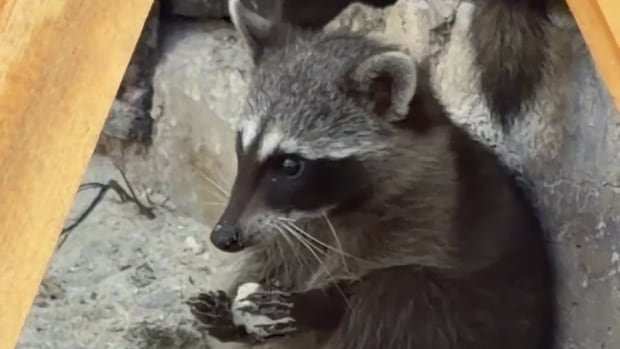

In an exclusive interview with biologist Nessie O’Neil, she shared a remarkable discovery she made while observing pygmy raccoons. O’Neil, a researcher at Miami University in Ohio, recounted the moment when she witnessed a pygmy raccoon crafting a toy ball from discarded materials, which turned out to be a significant scientific finding.
Upon viewing the footage of the raccoon’s playful behavior, O’Neil’s advisor emphasized the importance of the discovery and urged her not to share it on social media but to prepare a scientific paper instead. The subsequent publication in the journal Wild highlights how these Mexican pygmy raccoons engage in a unique behavior of creating toy balls from scavenged items and passing on this knowledge within their family group.
This documented evidence of “material culture” among the Procyonidae family, which includes raccoons and related species, sheds light on the playful nature of these animals. Despite their small size, weighing between three to four kilograms, pygmy raccoons exhibit playful tendencies by repurposing trash items into toys, showcasing a level of creativity not previously observed.
The study underscores the challenges faced by these critically endangered pygmy raccoons residing exclusively on Cozumel Island in Mexico. With their natural habitat under threat due to development, these raccoons have resorted to scavenging from tourist areas and garbage bins for survival.
O’Neil’s observations of the raccoons engaging in toy-making activities, particularly the young raccoons learning from their siblings and mother, provide insights into their social behaviors. The study also humorously notes an incident where a raccoon’s attempt at toy-making was hindered after consuming a margarita, affecting her dexterity.
Renowned scientist Benjamin Beck, co-author of the book Animal Tool Behavior, expressed astonishment at the raccoons’ behavior, emphasizing the novelty of animals creating their own toys. He highlighted the significance of such behavior in showcasing foresight and creativity, particularly noting the social play interactions among the raccoons.
While the researchers observed instances of the raccoons playing with the handmade toys, Beck cautioned against prematurely labeling the behavior as cultural due to the limited sample size. He stressed the need for continued observation across generations to ascertain if such behaviors are passed down and indicative of cultural traits.
Amidst the dwindling population of approximately 200 pygmy raccoons on Cozumel Island, the study underscores the urgent need to preserve their habitat and prevent further decline. O’Neil’s research aims to raise awareness about the plight of these creatures and urges responsible behavior from tourists to safeguard the raccoons’ natural environment.
The hope is that through increased awareness and conservation efforts, the unique behaviors and survival of the pygmy raccoons can be secured for future generations.