

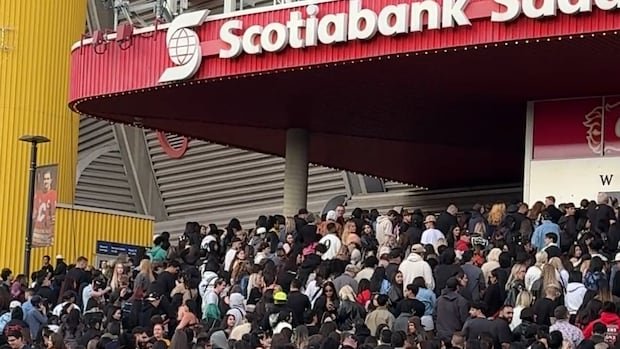

Amandeep Walia had eagerly anticipated attending a concert featuring Ne-Yo and Akon in Calgary for several months. However, instead of enjoying the show, he and his spouse found themselves waiting for hours at the Scotiabank Saddledome, first for entry and then for the event to commence. Walia expressed surprise at the significant delay, estimating that the evening cost them around $700, encompassing ticket expenses, a babysitter, and refreshments.
Attendees with floor and lower level seats were confined to the concourse while the concert setup was still ongoing, preventing them from accessing their designated seats. Walia voiced concerns about the disorganization and potential safety hazards arising from the situation.
Initially scheduled for 8 p.m., the June 20 concert was rescheduled to 9 p.m., ultimately kicking off around 10:45 p.m. Walia lamented that the delayed start impacted their overall experience, despite the performance being enjoyable once it began.
This summer has seen several high-profile concerts facing delays, with Jay-Z’s final show at Yankee Stadium starting after midnight due to security concerns, and Harry Styles’ show in Mexico City being postponed because of heavy rain.
Entertainment lawyer Kurt Dahl highlighted that concert ticket holders have limited rights, primarily guaranteeing the seat and a performance to some degree. He emphasized that the terms and conditions often include clauses permitting event schedule changes without notice, leaving consumers with minimal recourse in cases of significant delays.
Ashish Sharma from the Consumers Council of Canada noted the lack of statutory rights for concert delays, suggesting potential legislative changes to protect consumers affected by such delays. The issue has gained prominence as live entertainment spending continues to rise, with fans bearing additional costs beyond tickets, such as transportation, accommodation, and time off work.
While refunds are not automatic for delayed performances, consumers may have more leverage through public pressure rather than contractual agreements. Despite the challenges faced, attendees like Walia believe that concertgoers should receive compensation or discounts for significant delays to improve the overall concert experience.