

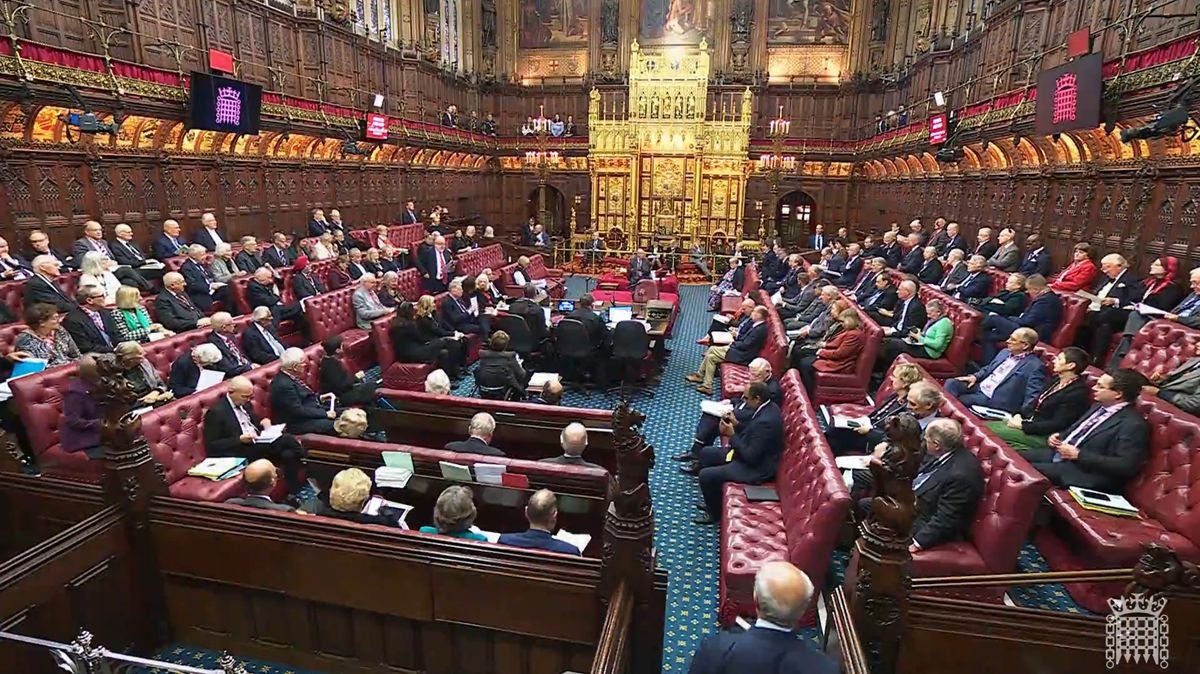

The House of Lords is facing criticism for attempting to transform the assisted dying bill into a legislation that primarily benefits the affluent by disallowing legal aid. Members of the House of Lords are engaged in discussions over a substantial number of proposed amendments to the contentious bill. Some supporters view this as a deliberate delay tactic, arguing that the unelected peers should respect the decision of the House of Commons, which approved the bill last year.
Contrarily, others reject the notion of intentionally stalling the bill and assert that significant modifications are necessary to address the perceived flaws before enacting it into law. Former Conservative MP, now Baroness Therese Coffey, emphasized her proposed amendment during a speech in the House, aiming to prevent the use of state-funded legal aid for individuals seeking an assisted death through court proceedings.
However, critics, like Louise Shackleton, who had personal experience with the issue, expressed outrage, claiming that the amendment could restrict access to assisted dying for certain groups, particularly those from lower and middle-class backgrounds. The ongoing debate in the House includes discussions on the decision-making process for granting assisted deaths, with suggestions of involving courts or a panel of professionals.
The fate of the bill hinges on the agreement between the House of Commons and the Lords on its final form before the end of the current parliamentary session in May. If passed, the bill would enable terminally ill individuals in England and Wales with less than six months to live to apply for assisted dying. Proponents stress the importance of the legislation, while opponents argue for further scrutiny and adjustments to ensure its safety and effectiveness.