

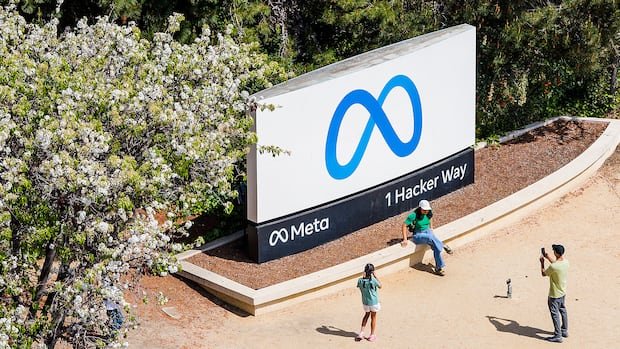

Meta Platforms CEO Mark Zuckerberg has urged for reduced U.S. restrictions on open-source AI to enhance competition with Chinese counterparts as the company unveiled a smaller, more customizable model on Monday. The newly introduced Muse Glimmer model is compact compared to leading AI models from competitors, tailored to operate tasks on a Mac or PC with a single graphics card. Zuckerberg hinted at the imminent launch of larger models in a video announcement accompanying a 14-page essay advocating for the democratization of AI.
The push for open-weight AI, where core components are made accessible for customization by users, is gaining momentum as businesses seek cost-effective AI solutions and address security concerns following recent cyber incidents involving models from Anthropic, OpenAI, and Meta. Unlike closed models tightly controlled by companies, open-weight models offer flexibility and affordability.
Noteworthy Chinese open-weight models like Kimi K3 have highlighted the benefits of open-source AI, with Meta endorsing the movement through a recent open letter featuring prominent industry figures like Nvidia’s Jensen Huang, Microsoft, and Palantir. While U.S. developers predominantly rely on closed-weight models, Chinese startups have taken the lead in open-weight model innovation, showcasing competitive performance levels.
Meta’s stock, which has experienced a 10% decline this year, saw a nearly 3% increase in premarket trading on Monday. The company plans to release Muse Spark 1.2, its most advanced model, developed by a specialized team formed to regain momentum in the AI race. Zuckerberg emphasized the need for policy revisions to empower domestic firms in the open-weight AI sector, highlighting the importance of data use and distillation methods.
To address concerns surrounding its data center expansion, Meta announced a $1 billion US fund to support communities affected by its infrastructure projects. Zuckerberg underlined the necessity for the U.S. to streamline policies to foster leadership in open-weight AI, emphasizing the importance of safety criteria approval for model releases. The Trump administration recently signaled a hands-off approach by refraining from imposing voluntary safety tests on open-weight AI models, according to insider sources.