

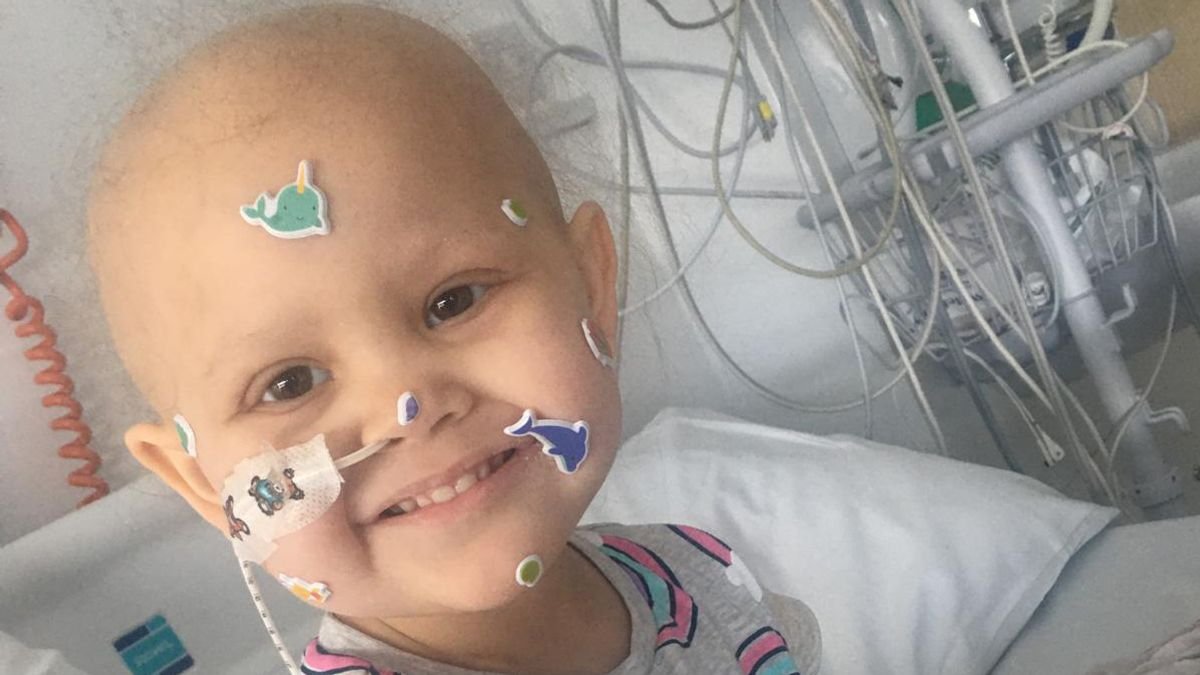

A mother who generously provided umbilical cord blood after her child’s birth recently shared the incredible account of how a similar donation ultimately saved her daughter’s life. Cord blood, obtained from the placenta and umbilical cord post-delivery, contains valuable stem cells that can effectively treat various cancers, immune conditions, and genetic disorders.
Natasha Kirkpatrick opted to donate her daughter Ellaria’s cord blood at Luton and Dunstable University Hospital in 2017. Years later, in 2022, Ellaria herself needed a cord blood transplant to combat blood cancer.
Mrs. Kirkpatrick emphasized the vital role the donation played in saving Ellaria’s life, noting that without it, her daughter might not have survived. Ellaria, now eight years old, was diagnosed with acute lymphoblastic leukaemia at the age of two and experienced a relapse post-chemotherapy.
Initially planned for a stem cell transplant in 2022, Ellaria’s procedure was postponed due to the donor contracting Covid-19. Consequently, she underwent an emergency cord blood transplant at Bristol Royal Hospital for Children.
Reflecting on the experience, Mrs. Kirkpatrick, a 37-year-old teacher from Marston Moretaine near Bedford, expressed gratitude towards the anonymous cord blood donor that helped save Ellaria’s life. She emphasized the importance of such donations and the pride she felt in contributing herself.
Ellaria’s story coincides with the milestone announcement from NHS Blood and Transplant (NHSBT) regarding the issuance of their 1,000th unit of baby umbilical cord blood for stem cell transplants. The NHSBT cord blood bank in Filton, Bristol, established in 1996, ranks as the world’s fourth-largest cord blood bank, holding nearly 20,000 donations available for medical purposes.
Women delivering babies at specific hospitals like University College Hospital, Luton and Dunstable Hospital, and St George’s Hospital have the option to donate cord blood post-delivery. The donated cord blood is cryogenically preserved for years until a suitable match is identified.
Recent data from NHSBT revealed that the latest 20 cord blood transplants were dispatched to hospitals in various locations, aiding in the treatment of leukaemia and genetic immunodeficiencies in young patients.
On reaching the 1,000th transplant milestone, Alex Ross, head of NHS Blood and Transplant’s Cord Blood Bank, expressed gratitude to the generous donors, highlighting the life-saving potential of cord blood stem cells.
Stem cells extracted from cord blood post-birth offer an effective treatment solution for certain conditions, such as acute leukaemia or severe immunodeficiencies. These stem cells can be securely stored for years, potentially making a significant impact on someone’s life in the future.