


Last year, I was surprised to find out that my cholesterol levels were slightly higher than normal. Although not critically high, being in my late 20s, it was unexpected. My diabetes and lack of consistent exercise likely contributed to the elevation. A nurse recommended Benecol yoghurt drinks along with the cod liver oil supplements I was already taking.
By increasing my physical activity, adjusting my diet slightly, and incorporating Benecol into my daily routine, my cholesterol levels returned to normal. Since then, I have been committed to maintaining healthy cholesterol levels to prevent future health issues. Experts agree that a balanced lifestyle and nutritious diet are crucial for managing cholesterol levels effectively.
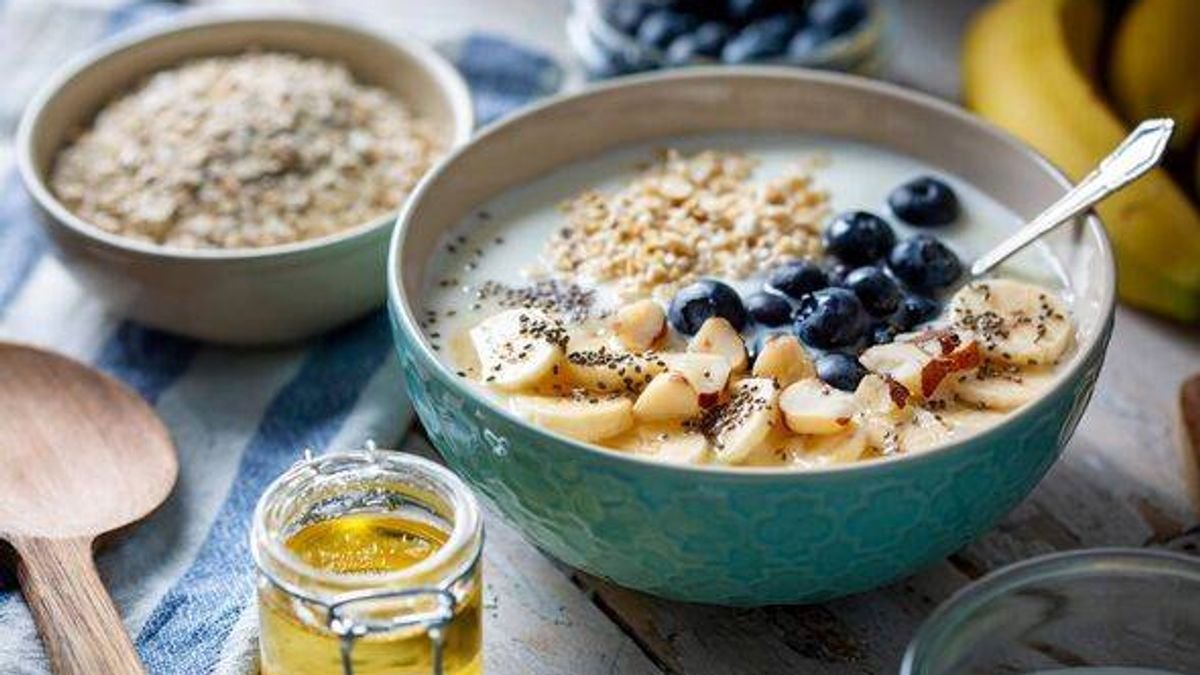
Consulting with various professionals and doctors, I sought advice on the top foods for lowering cholesterol. Among the highly recommended foods were oats, which were unanimously favored by all experts. Oats are a valuable source of soluble fiber called beta-glucan, essential for reducing low-density lipoprotein (LDL), known as the “bad” cholesterol.
Dr. Naveed Asif, a GP at The London General Practice, explained the significance of cholesterol as a vital component in the body but emphasized the risks associated with elevated LDL levels. High LDL cholesterol can lead to atherosclerosis, a condition that can cause severe health complications like heart attacks and strokes.
In addition to oats, experts also praised nuts, beans, lentils, and healthy fats for their cholesterol-lowering properties. They highlighted the role of oats in binding cholesterol in the gut and supporting bile acid excretion. Incorporating nuts, soy foods, seeds, and plant sterol-enriched spreads into the diet can further aid in reducing LDL cholesterol levels.
Dr. John Field from Bupa Health Clinics emphasized the importance of consuming foods rich in HDLs while limiting those high in LDLs. He recommended a Mediterranean-style diet focusing on fruits, vegetables, and healthy fats like olive oil. Additionally, he suggested regular physical activity, maintaining a healthy weight, and avoiding smoking and excessive alcohol consumption as key steps in managing cholesterol levels.
Experts like Dr. Saira Bano and Dr. Adam Staten underscored the benefits of soluble fiber-rich foods, plant sterols, and unsaturated fats in lowering LDL cholesterol. They emphasized the role of foods like oats, barley, legumes, and fruits in promoting heart health and reducing cholesterol absorption in the gut.
In conclusion, a diet rich in soluble fiber from sources like oats, along with a focus on unsaturated fats and regular physical activity, can help manage cholesterol levels effectively. It is essential to consult healthcare providers before making significant changes to diet and lifestyle to ensure personalized and safe cholesterol management.