

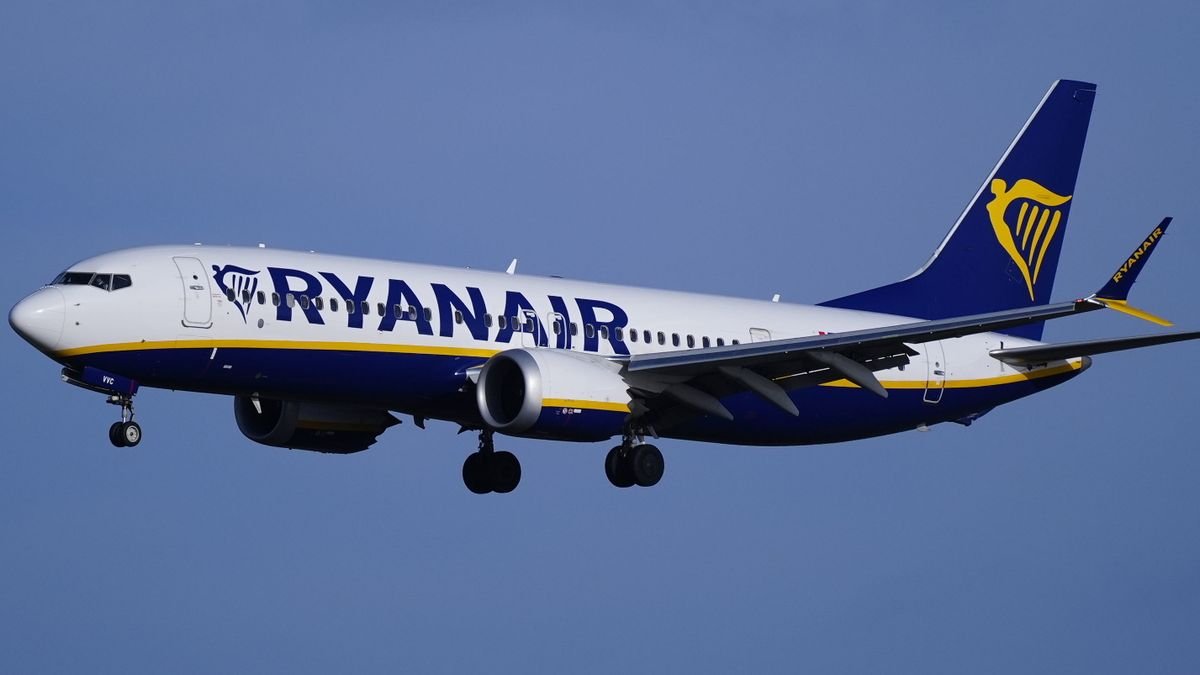

Ryanair is set to discontinue all flights to the Azores islands starting March 29, 2026, citing increased expenses and travel taxes as the primary reasons for the decision. Previously, the low-cost carrier operated six routes connecting the islands, including seasonal services from London Stansted and Bristol Airport between April and October. Additionally, connections from Portugal’s mainland cities such as Lisbon and Porto were also part of the airline’s offerings.
According to Ryanair’s Chief Commercial Officer, Jason McGuinness, the decision to halt Azores flights stems from escalating airport fees charged by the French airport operator ANA. McGuinness expressed disappointment, blaming the rising costs on ANA and the Portuguese government’s inaction. The airline plans to redirect the capacity previously allocated to the Azores to more cost-effective airports within the Ryanair Group network across Europe.
In response to the situation, Ryanair urged the Portuguese government to intervene and ensure that airport operations in the Azores benefit the local population rather than a foreign airport monopoly. With the discontinuation of Ryanair flights to the Azores, British travelers will now have only one direct route to the islands, operated seasonally by British Airways from London Heathrow to Ponta Delgada Airport.
This move by Ryanair to cease operations to the Azores is part of a broader trend, as the airline abandoned services to several regional airports in 2025 due to escalating costs. Additionally, the French government’s 2025 budget included a tax increase for air travel, resulting in higher costs for domestic and European flights departing from France. Jason McGuinness highlighted a significant tax hike that made operating at regional airports financially unsustainable for Ryanair.
The impact of these decisions underscores the challenges faced by airlines in navigating cost pressures and regulatory environments, ultimately affecting connectivity and travel options for passengers.