



The community of Alberta, well-known for its rapid oil booms and devastating downturns, is currently facing the prospect of another economic upswing.
Indicators suggest a growth spurt in Fort McMurray, highlighted by increasing home values, heightened investment in the oil sector, widespread job openings, and longer queues at the Tim Hortons drive-thru.
A significant portion of this growth is linked to the anticipated construction of a new oil pipeline to the West Coast, a project put forward by the Alberta government. On Thursday, the federal government is expected to announce that this initiative serves the national interest.
As more businesses and families relocate to the area, roofer William Gilbert is witnessing expansion in his company, paralleling Fort McMurray’s growth.
Equipped with nail guns and roofing hammers, one of Gilbert’s teams is wrapping up the installation of shingles on a two-storey black house located on the community’s western outskirts. His team of 20 is working diligently to meet the increasing demand. Although business hasn’t surged instantly, Gilbert foresees steady recruitment in the coming years.
“I envision us doubling, possibly tripling,” he stated. “We’re gradually entering a boom.”
Recent announcements from both federal and provincial governments aimed at boosting oil production over the past year have contributed to the prevailing optimism, including the development of the West Coast oil pipeline by Alberta and Ottawa.
Moreover, the federal government has eliminated specific environmental regulations, such as the oilpatch emissions cap, while accelerating the regulatory procedures for approving major projects and introducing new financial incentives for investors.
The Alberta government plans to increase oilsands production to eight million barrels per day by 2035.
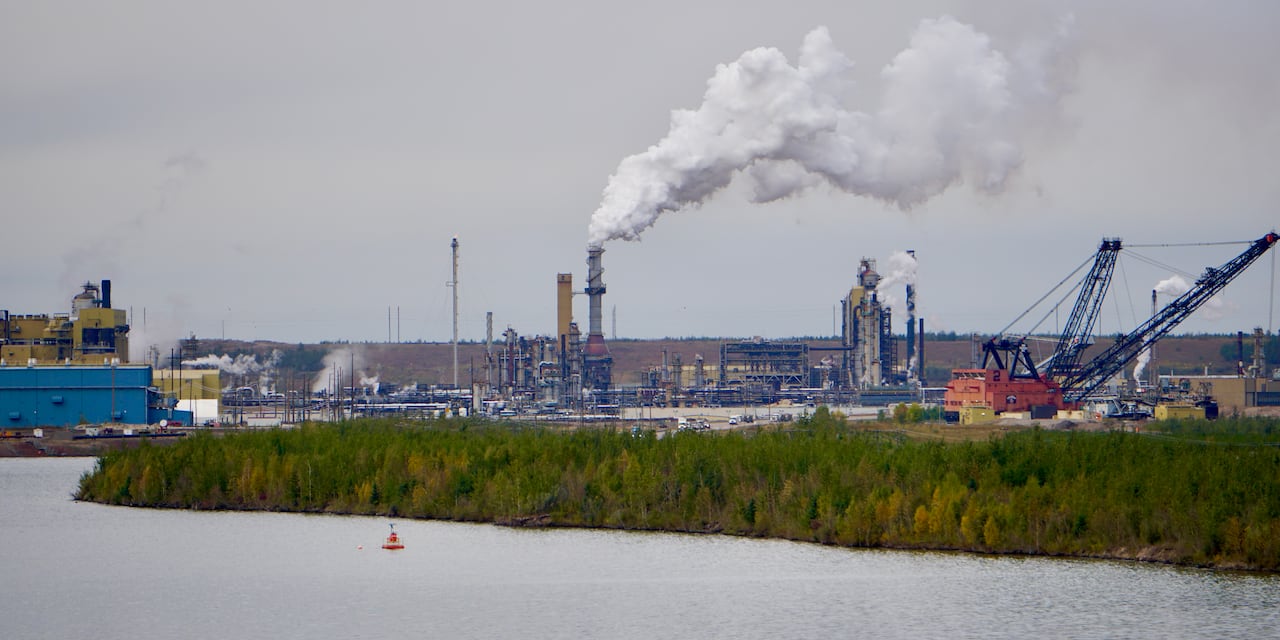
The Syncrude oilsands mining facility operates north of Fort McMurray. (Kyle Bakx/CBC)
Over the past decade, many businesses in the region have struggled, facing minimal economic progress and a shrinking population. However, this period allowed local authorities to focus on improving infrastructure such as roads and other critical facilities.
Now, as people begin to return, the population has reached an all-time high.
“Since 2015, it’s been quite dismal here,” remarked Kyle Vandecasteyen, a councillor with the Regional Municipality of Wood Buffalo. “We’re prepared for growth.”
Growing Excitement
Some construction teams have reported a work increase of three times, according to Dianna De Sousa, president of the local chamber of commerce.
“It’s organized chaos. They have to turn down work,” she noted.
Following years of economic stagnation, she conveyed a sense of excitement and expectation, albeit with some anxiety.
“The challenge ahead will undoubtedly be labor and workforce,” De Sousa added, as some skilled workers are already scarce.
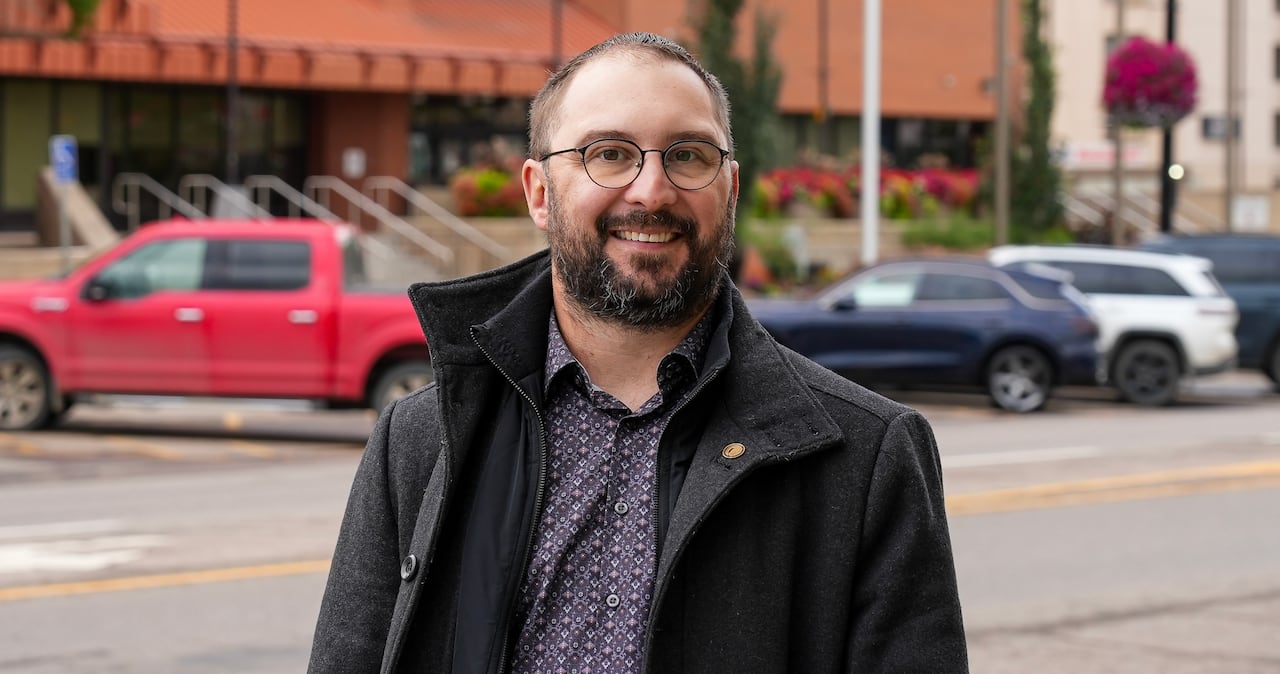
Fort McMurray is prepared for a possible oil boom after several years of infrastructure improvements, says Kyle Vandecasteyen, a councillor for the Regional Municipality of Wood Buffalo. (Vincent McDermott/CBC)
An oil boom will necessitate a diverse workforce, including drivers, engineers, mechanics, and pipefitters.
The local college is attempting to prepare for this, but faces challenges in recruiting sufficient instructors.
“I hope when this boom occurs, we have enough manpower,” stated Shane Ganong, a heavy-duty mechanic and instructor at Keyano College.
Having worked in the oilsands during the previous boom, he recalls long shifts at all hours.
“We shouldn’t have to subject people to such extreme workloads as in the past,” he emphasized.
-
Analysis
The U.S. could soon control 20% of Venezuela’s oil reserves. Canada’s oilpatch isn’t worried
-
Alberta separation group releases report touting affordable transition to independence
Real estate demand has surged by approximately 30 percent this summer compared to the previous year, according to realtor Paige Cyr, who noted, “We are quickly depleting our housing inventory.”
The housing market has not been this robust in years, and while prices are on the rise, Cyr mentioned that some homes are still selling for $200,000 less than their purchase prices from 10 or 15 years ago.
“People are returning to the area. They are eager to invest,” she stated.
The prevailing sentiment in the community emphasizes the importance of a gradual and well-managed growth pace, as Fort McMurray was caught off guard during previous booms.
A gold rush-like atmosphere attracted workers from across Canada, drawn by the highest wages in the country. However, there were insufficient homes, daycares, and schools. Businesses were competing for employees, and grocery stores were overwhelmed with long lines.
“Suddenly, the bust occurs and many locals find themselves underwater on their mortgages. This has happened several times,” remarked Kris Yarish, the chief operating officer of Alcor Facilities Management, which has been serving Fort McMurray for over 50 years, providing construction, work camps, and other services.
He recalls the 2006 boom, when heavy traffic on the highways made it four times longer to reach oilsands sites.
At a recent oil trade show, the largest event of its kind in nearly a decade, showcasing over 200 businesses, he observed a notably positive atmosphere.
“The new pipeline is definitely a game changer,” he said, instilling confidence throughout the industry.
Cautious Optimism
Nonetheless, he remains wary, understanding that the potential oil boom could be hindered at any moment.
Major oilsands companies have hesitated to commit tens of billions of dollars or take on significant debts to construct large-scale projects, the last of which was completed in 2018. Investors are now more focused on consistent returns and share buybacks rather than aggressive growth strategies.
Previous oil booms in Fort McMurray were characterized by multiple oilsands companies undertaking projects simultaneously, resulting in competition for labor, equipment, and resources. Presently, only a few major oilsands producers remain due to years of consolidation.
Other complicating factors include the ongoing trade disputes with the United States and the instability of global oil prices, according to Yarish.
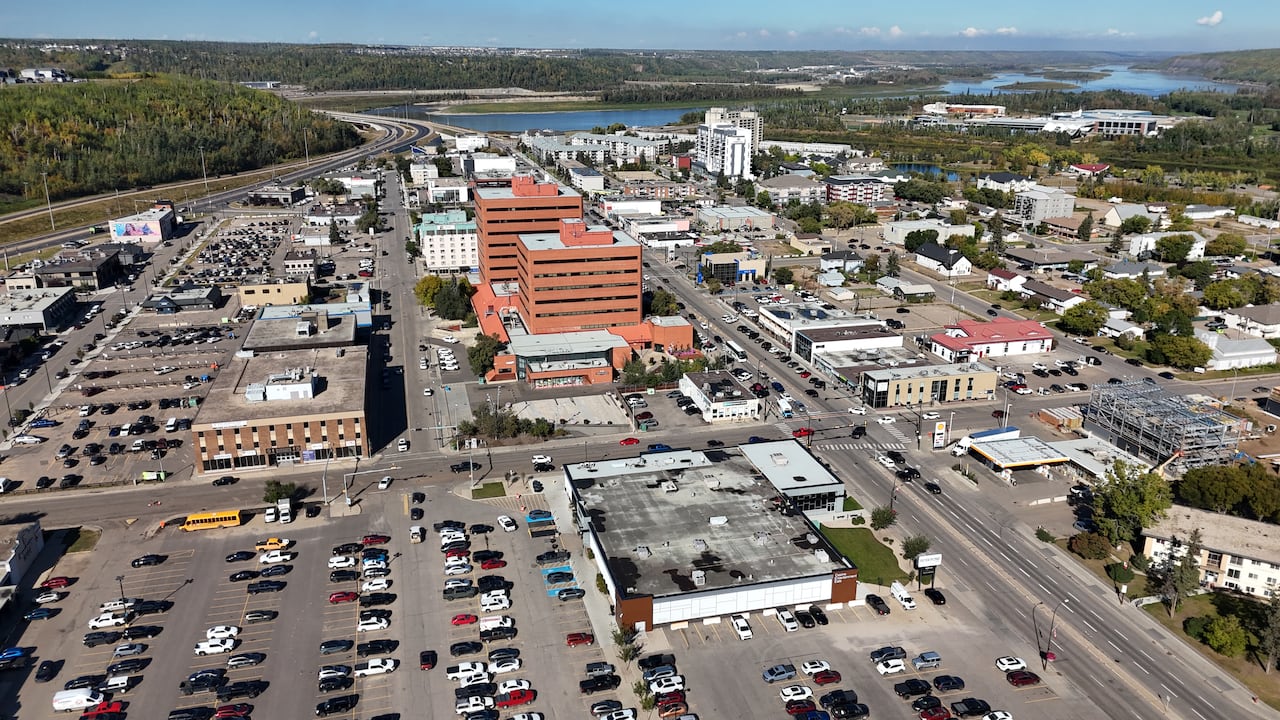
An aerial view of Fort McMurray’s downtown. (Bob Grieve/CBC)
Substantial infrastructure projects are underway in Fort McMurray, as heavy machinery works to reinforce the riverbank to better safeguard the downtown area from potential flooding. The municipality is investing in sewer, water, road, and other essential projects to prepare the community for the forthcoming growth.
However, additional efforts are still needed, including a push from some residents for a new highway to enhance connectivity.
The proposed $1.5-billion East Clearwater Highway has been under discussion since the catastrophic 2016 wildfire, which underscored the fact that Fort McMurray relies on a single highway for access.
This new route to the east would also improve access to various oilsands facilities in the region.
“If the oilsands are expected to expand and a new pipeline is in the works, it is essential to develop that highway, not only for business efficiency but also for safety reasons,” stated Marty Giles from NorthStar Ford, a long-time resident of the community.
His dealership in Fort McMurray sells around 1,200 F-Series trucks annually, and he is witnessing clear signs of economic progress.
This is why he is in the process of hiring an additional 30 employees, bringing his workforce to approximately 300.
“I haven’t experienced this level of optimism in Fort McMurray in the last decade as I do today,” he remarked.