

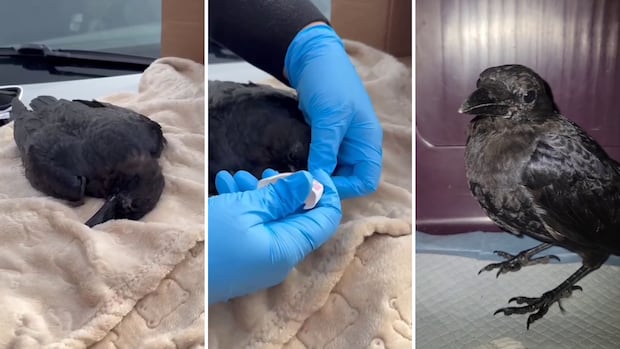

An animal welfare organization has been administering nasal naloxone to crows believed to have ingested harmful drugs that were carelessly left outside in downtown Prince George, B.C.
The Good Caws Crow Rescue Society (GCCRS) has shared several videos depicting their volunteers administering nasal naloxone to crows that are otherwise non-responsive.
These videos subsequently show the crows becoming alert and regaining their ability to fly.
Naloxone is a medication typically employed to reverse or alleviate the effects of opioid overdoses in humans, and Dayna Slater from GCCRS noted that the crows they are treating are concentrated in an area known for illicit drug usage.
“It’s disheartening, it’s scary,” she remarked during an interview on CBC Radio West with host Sarah Penton. “A multitude of factors is converging to create what feels like the perfect storm.”
Slater mentioned that they previously recorded one or two suspected drug overdoses per year, but this year alone, they have documented over a dozen cases among crows, marking a significant increase.
“Their wings are spread out, their eyes are shut, their heartbeat noticeably slows. They are alive yet unresponsive,” she described the symptoms, noting that some crows have brown liquid foam emerging from their beaks.
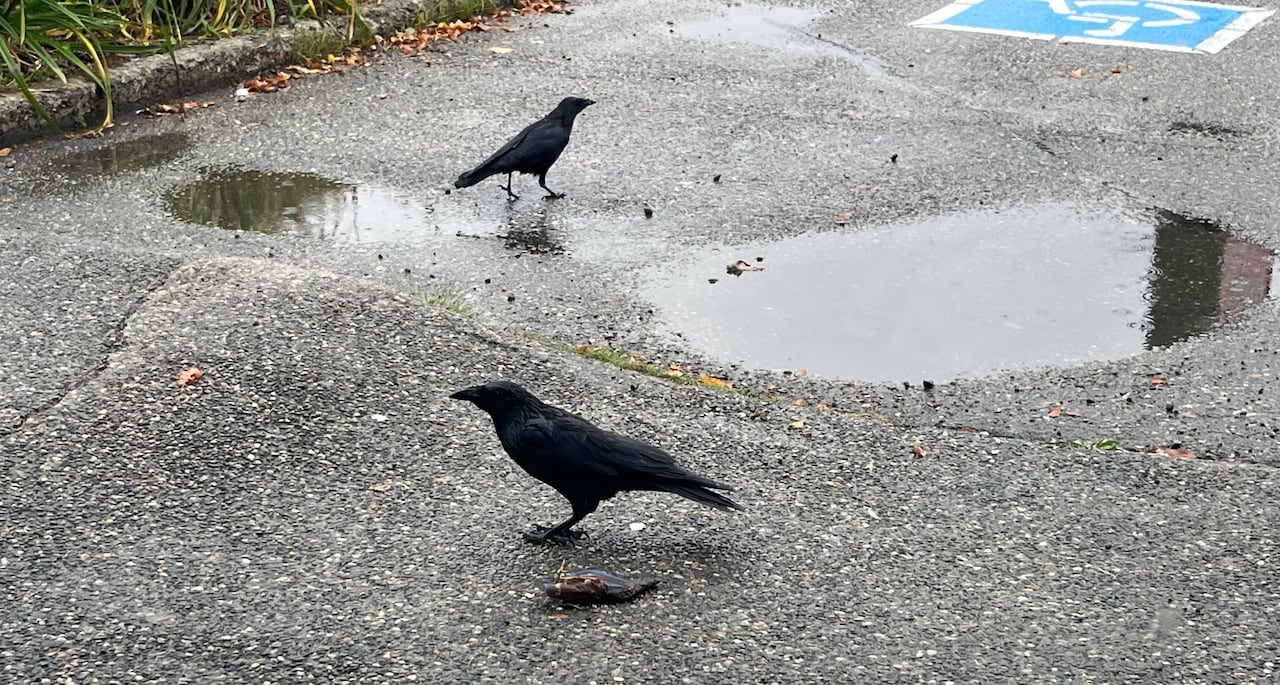
Slater believes the crows are consuming toxic drugs from garbage left outside. (Andrew Kurjata/CBC)
While some of the birds have succumbed, Slater stated that the majority could be released after recovering within 24 hours.
Dr. Kaitlyn Liukaitis from Birchwood Veterinary Clinic has treated some of these crows and confirmed that their symptoms align with those of a toxic drug overdose.
She expressed that she is not surprised that naloxone effectively reverses the symptoms, as it has become a standard tool in veterinary medicine for various animal treatments.
“It’s always disheartening that, as humans, we are so detrimental to the environment,” she commented.
Rise in Drug Toxicity
Municipalities across British Columbia have witnessed an increase in toxicity levels within the illicit drug supply, prompting numerous public alerts.
In Prince George, overdose calls have surged — resulting in a persistent din of sirens in the downtown area, where the crows are located.
Outreach organizations indicate that as political resistance to harm reduction strategies like supervised consumption sites grows, it is becoming increasingly challenging for individuals struggling with addiction to obtain prescribed alternatives to street drugs.
They advocate for secure, indoor environments for individuals to access and utilize drugs — partly to prevent them from being left outdoors.
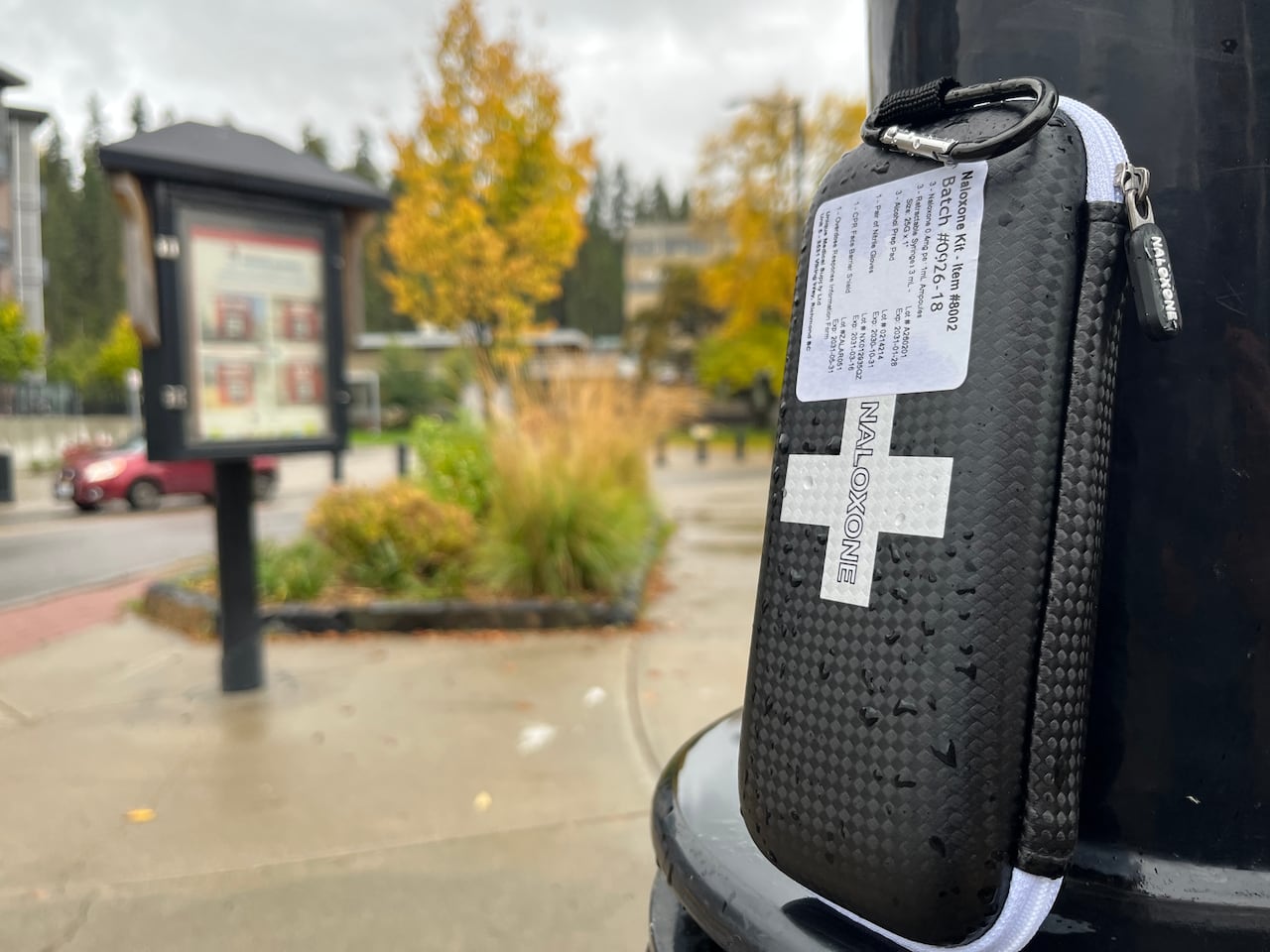
Naloxone is utilized to counteract symptoms of an opioid overdose. (Andrew Kurjata/CBC)
Slater mentioned that she collaborates with harm reduction organizations, which play a vital role in identifying crows suspected of overdosing and have also provided expired naloxone kits for her volunteers.
She expressed that she does not believe anyone is intentionally harming the birds; rather, the overdoses reflect broader societal issues.
“They coexist with us. They rummage through our garbage, they inhabit our yards. They are a direct reflection of the environment we live in.”
-
Tripling of toxic drug overdose calls contributes to spike in sirens in Prince George
-
Families seeking addiction treatment say ‘call back tomorrow’ not an acceptable response in toxic drug crisis
She suspects that the crows are obtaining the drugs as they are mixed in with garbage that is left unattended downtown.
Her proposed solution involves placing more covered trash bins to deter crows from accessing discarded items.
“A crow cannot distinguish between a sandwich bag and one that contained something harmful. It only takes a substance as small as a grain of sand to impact a bird,” she concluded.