

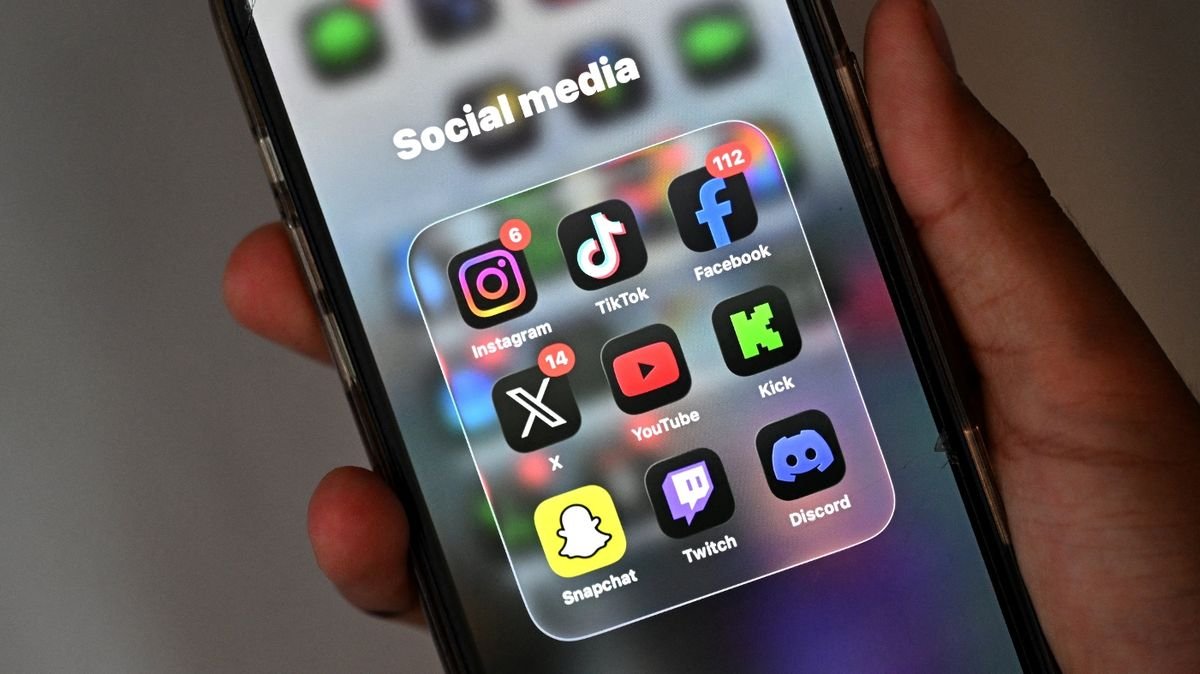

Wes Streeting has urged action to regulate social media usage among individuals under the age of 16, as calls for a potential ban continue to gain momentum. The Health Secretary has voiced concerns regarding the detrimental effects that platforms like Instagram have on children’s well-being, emphasizing that the rapid proliferation of technology has occurred without a full understanding of its consequences.
His remarks come shortly after a prominent teaching union advocated for the prohibition of social media for those under 16, citing potential benefits such as improved focus in educational settings and safeguarding mental health.
When questioned about his stance on the issue during an interview with Sky News, Mr. Streeting emphasized the need for action in this domain. He acknowledged the complexity of the debate, acknowledging the positive aspects of online connectivity while also recognizing the need for safeguarding children’s interests.
The National Association of Schoolmasters Union of Women Teachers (NASUWT) recently urged the government to compel major tech companies to implement measures preventing underage individuals from accessing their platforms. This move follows Australia’s decision to ban social media for individuals under 16 in December. NASUWT claims that unregulated exposure to social media is contributing to deteriorating behavior in schools, affecting young people’s mental well-being, and exposing them to inappropriate content.
Liz Kendall, the Technology Secretary, is reportedly contemplating imposing restrictions, with officials aiming to reach a decision promptly. Mr. Streeting commended Keir Starmer for engaging with MPs on this crucial issue, highlighting the necessity of addressing the challenges posed by social media on the health, education, and overall prospects of young individuals.
The ongoing discussions encompass various concerns, including the impact of excessive screen time on cognitive development, the rise of cyberbullying facilitated by social media platforms, and issues related to body image, grooming, and unrealistic expectations perpetuated through online interactions.