

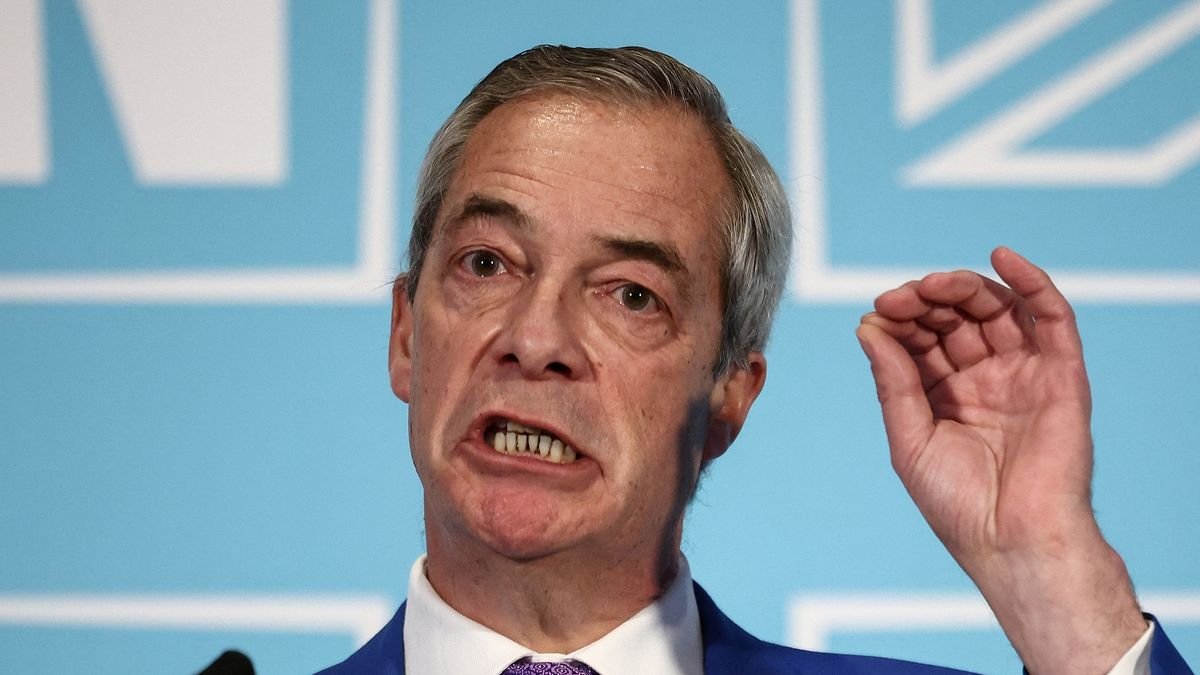

Anti-racism activists and labor unions have expressed shock following Nigel Farage’s remarks supporting the idea of employers being able to discriminate against non-British candidates. The leader of the Reform party reignited a contentious debate by reinforcing his stance that regulations promoting racial equality should be discarded to facilitate the rejection of employees based on their nationality. This proposal has raised concerns among experts who caution against the alarming direction it could lead the UK, with a peer accusing Farage of promoting prejudice and bias.
Farage faced backlash in 2015 when he criticized the restriction preventing employers from selecting staff based on nationality and advocated for the elimination of race equality regulations. Despite the uproar, he has stood by his controversial comments without retracting them. Dr. Shabna Begum, CEO of the anti-racism organization Runnymede Trust, emphasized the dangers of pursuing such a divisive path, particularly as the definition of ‘Britishness’ becomes increasingly contentious.
The sentiments were echoed by Green peer Natalie Bennett, who criticized Farage for persisting in his discriminatory views over the past decade. The Trade Union Congress (TUC) General Secretary, Paul Nowak, condemned Farage’s endorsement of discrimination, labeling it as morally reprehensible and detrimental to the well-being of the workforce. Similarly, UNISON General Secretary Christina McAnea denounced Farage’s proposal to overturn legislation aimed at preventing discrimination based on race or origin, emphasizing the negative impact it would have on the country’s economy and its citizens.
Farage’s controversial stance dates back to his leadership of UKIP ten years ago, where he faced criticism for advocating the removal of discrimination laws. Despite the opposition, he continues to advocate for giving preference to British workers, emphasizing his unwavering belief in putting the interests of British citizens first. The revival of these sentiments has reignited debates on discrimination in the workplace, with concerns raised over the potential implications of such policies on inclusivity and fairness.