

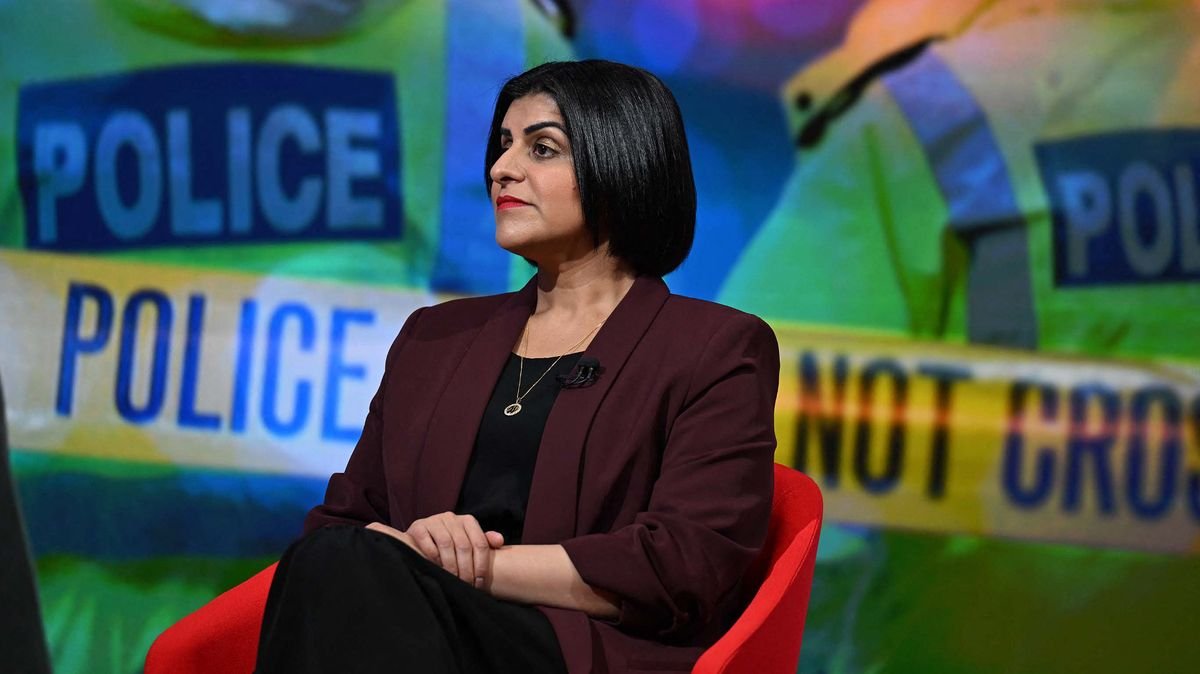

In order to maintain their position in government, Labour is relying heavily on the performance of Shabana Mahmood. The Home Secretary, who took office in September, has already proposed controversial changes to the UK’s asylum and migration policies. Now, she is shifting her focus to policing, aiming to modernize a system she considers outdated.
Facing challenging poll numbers and the public’s discontent with various issues under the Home Office’s jurisdiction, Mahmood is not shying away from making bold moves. In a recent address to the Commons, she unveiled what was anticipated to be the most significant reform in British policing in two centuries.
The proposed changes are so extensive that they are drawing parallels to the establishment of the Met Police by Sir Robert Peel in 1829. Mahmood deems it unreasonable that there are 43 separate police forces in England and Wales, each operating independently with varying levels of effectiveness.
As part of the overhaul, Mahmood announced the creation of a ‘British FBI’, increased use of AI technology, mandatory response time requirements, and a reduction in the number of police forces. She emphasized that these reforms mark a substantial transformation in how policing is structured, conducted, and held accountable, representing the most significant changes in policing practices in the past 200 years.
It is widely acknowledged that the current system with numerous police forces is inefficient, and the public is eager to see tangible improvements. The National Police Chiefs Council (NPCC) has expressed support for the consolidation, highlighting the importance of streamlining decision-making processes and facilitating the widespread adoption of advanced technologies across all law enforcement entities.
If executed effectively, Labour’s efforts in this domain could have a transformative impact. Addressing issues like anti-social behavior through proactive policing can significantly enhance the quality of life for many. Mahmood’s proactive approach signals a commitment to addressing longstanding inefficiencies and meeting public expectations for action in the realm of policing.