


Landmark research has demonstrated that early screening for a debilitating muscle wasting disease in newborns not only saves lives but also reduces healthcare costs. The Mirror is advocating for the implementation of a simple £5 blood test for spinal muscular atrophy (SMA) across the NHS following a study conducted by Oxford University. The study, published in the prestigious Lancet medical journal, revealed that 507 babies were born with SMA since 2019 in the UK, with lack of screening leading to delayed diagnosis and severe consequences for affected infants.
Comparative research with southern Belgium, where SMA screening at birth is standard practice, showed that all SMA babies in that region survived and did not experience the severe health issues seen in the UK. The absence of a newborn screening program in the UK resulted in higher healthcare costs for supporting SMA babies compared to countries with screening protocols in place.
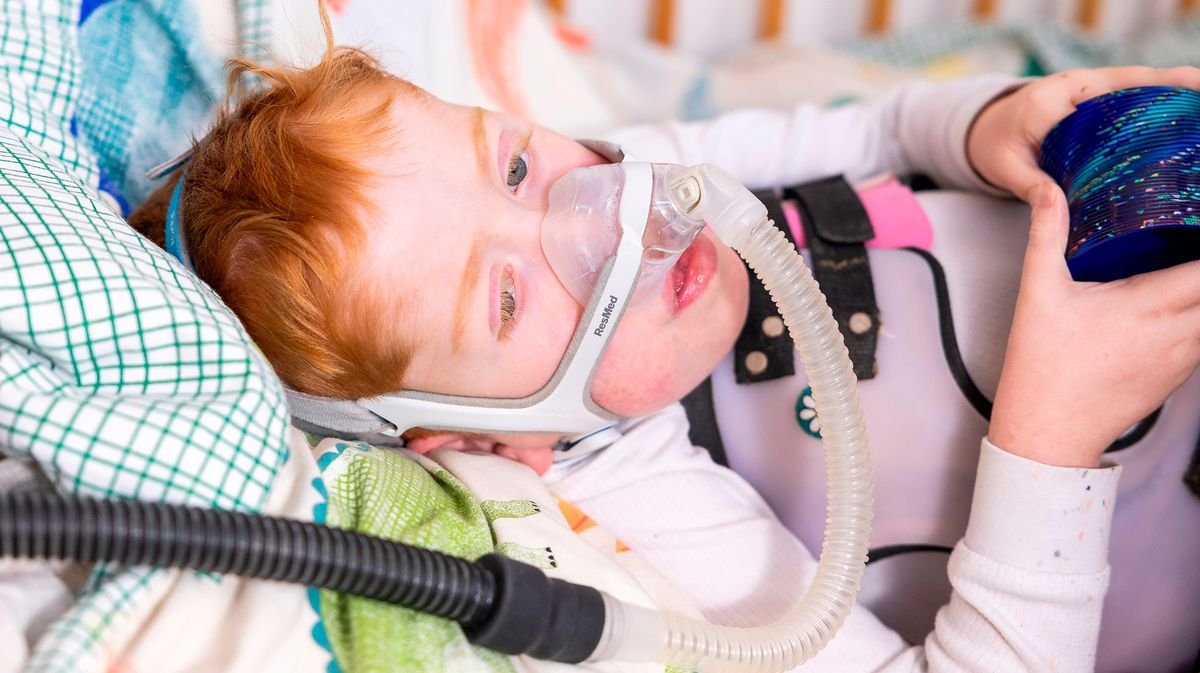
Despite the availability of effective treatments for SMA, the UK has been slow in implementing newborn screening for the condition. The urgency for screening is highlighted by cases like that of nine-year-old Ezra Thorman, who suffered due to late diagnosis by the NHS. It is estimated that a significant number of UK babies are at risk of being diagnosed too late, leading to irreversible disabilities.
SMA, caused by a genetic defect affecting nerve cell health, can be effectively managed if detected early. The introduction of SMA screening in newborns is crucial for timely intervention and improved outcomes. While the UK National Screening Committee is planning a pilot study, Scotland has taken the lead by including SMA screening in their routine infant tests.
In response to growing calls for nationwide SMA screening, the Department of Health and Social Care has acknowledged the importance of early detection and access to life-changing treatments for children with the condition. With the potential for large-scale SMA screening studies in the near future, the UK aims to align with global practices that prioritize early identification and intervention for SMA.