

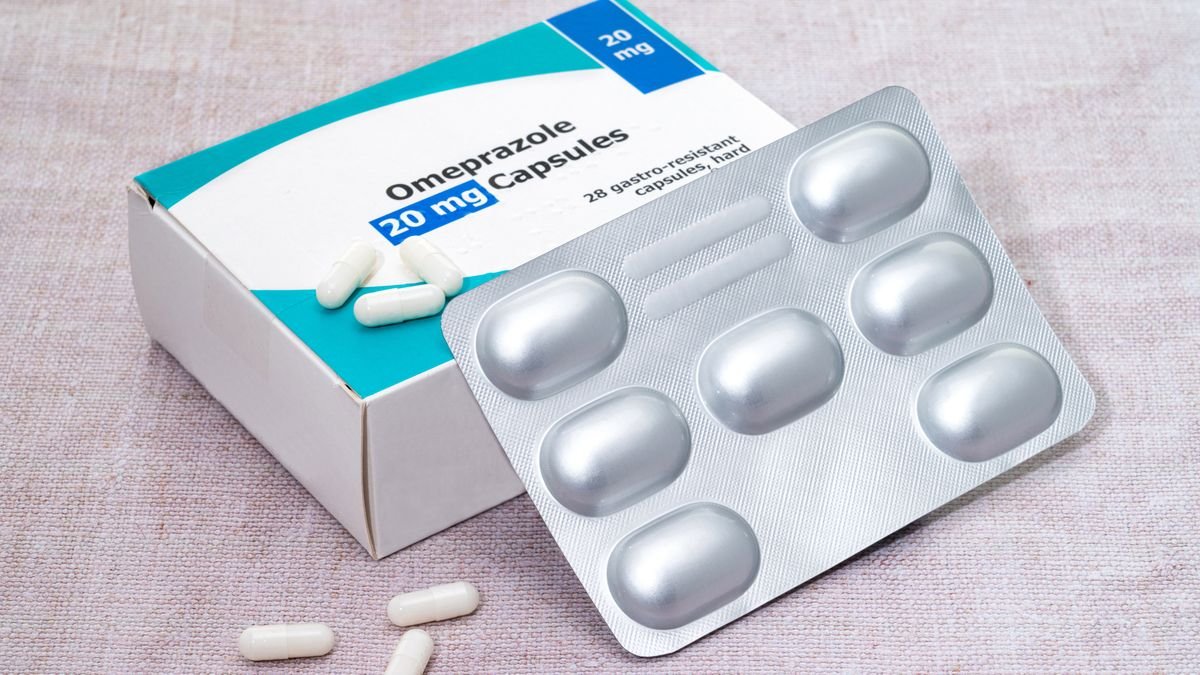

People who have been prescribed a popular medication for indigestion are being advised to monitor their usage duration carefully, as the NHS recommends using it for the shortest time possible. The most commonly prescribed medication for indigestion, heartburn, and acid reflux is Proton Pump Inhibitors (PPIs).
According to the NHS, PPIs work by reducing stomach acid production to alleviate indigestion symptoms. Indigestion, also known as heartburn or acid reflux, can be managed with various PPIs, such as Omeprazole and Lansoprazole.
While not everyone with indigestion needs a PPI, some individuals are prescribed it for reasons like protecting the stomach when taking certain medications or managing health conditions like Barrett’s Oesophagus.
The NHS website offers extensive information on PPIs. Patients should follow their GP’s guidance when taking the medication. The NHS generally advises against prolonged PPI use, suggesting a treatment duration of four to eight weeks.
Long-term PPI use may lead to risks such as increased bowel and lung infection susceptibility, reduced absorption of essential nutrients like magnesium and vitamin B12, and a slightly higher likelihood of bone fractures and chronic kidney disease.
In cases where extended PPI use is necessary, the NHS recommends adjusting the dosage to a lower maintenance level. Patients should consult their GP for advice on this matter.
Over-the-counter PPIs are typically intended for short-term use, up to 14 days and three times a year. If needed more frequently, a doctor’s consultation is advisable to explore underlying issues and long-term management strategies.
It is crucial to seek medical attention promptly if indigestion persists after two to four weeks, accompanied by vomiting, blood in vomit, swallowing difficulties, unexplained weight loss, or dark stools, especially for individuals aged 55 or above.
When discontinuing PPIs, patients may experience temporary exacerbation of indigestion symptoms, which can be managed with antacids or alginate. Symptoms usually subside within two to four weeks post-PPI cessation.
After completing PPI treatment, lifestyle adjustments can help prevent indigestion recurrence. Making dietary changes, like weight management and avoiding trigger foods, along with lifestyle modifications such as not lying down after meals, can be beneficial.
Regular GP monitoring is essential to evaluate the ongoing need for long-term medication and ensure the lowest effective dose is being used. PPIs can interact with other medications, affecting their efficacy, so informing healthcare providers about all current medications, supplements, and herbal products is crucial.
Abruptly stopping prescribed PPI without medical consultation, especially for individuals with specific conditions or concurrent therapies, should be avoided.
For more details on managing indigestion and related topics, visit NHS.UK, and consider lifestyle adjustments to potentially reduce reliance on long-term medication.