


The Trump administration is facing allegations of an “authoritarian assault” due to visa restrictions imposed on five Europeans, including a former Labour adviser. Imran Ahmed, an associate of Keir Starmer’s top aide Morgan McSweeney, was recently singled out by the US for his involvement with the Center for Countering Digital Hate (CCDH). Ahmed, a former Labour Party consultant from Manchester, serves as the CEO of CCDH, which had McSweeney as a director before his resignation upon Starmer assuming leadership in April 2020.
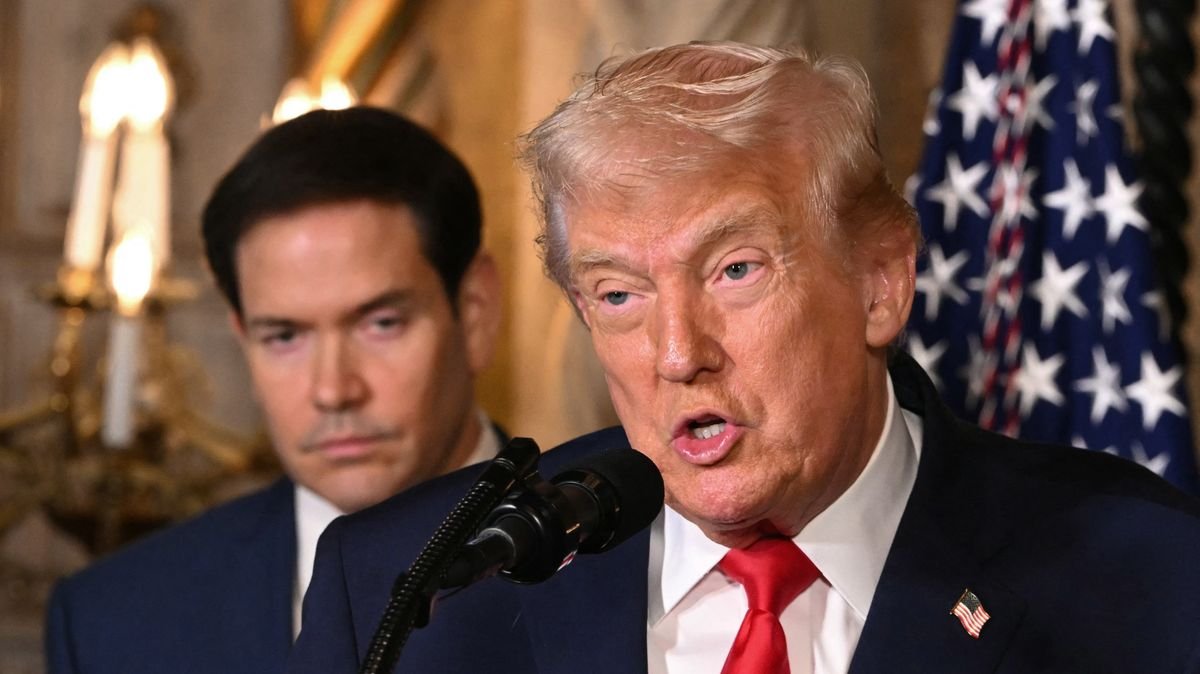
According to US Under-Secretary of State Sarah Rodgers, CCDH is linked to supporting the UK’s Online Safety Act and the EU’s Digital Services Act, aiming to expand censorship in Europe and globally. US Secretary of State Marco Rubio accused Ahmed and four other Europeans of leading efforts to pressure American platforms into penalizing viewpoints they oppose, resulting in their restriction from entering the US.
Rubio further stated that based on foreign policy determinations, the Department of Homeland Security could initiate deportation proceedings against specific individuals. Ahmed, who previously worked as an adviser to Labour MP Hilary Benn, founded CCDH in response to rising antisemitism and the tragic murder of his colleague Jo Cox MP by a white supremacist.
In a separate incident, Tesla CEO Elon Musk declared a “war” on CCDH in October 2024, labeling it a “criminal organization.” Despite this, Ahmed expressed determination to persist in their mission. CCDH’s website emphasizes the protection of human rights and civil liberties online, holding social media companies accountable for enabling the dissemination of hate and misinformation.
Clare Melford, another British executive associated with the Global Disinformation Index (GDI), was also identified among the sanctioned Europeans. A GDI spokesperson condemned the visa restrictions as an authoritarian attack on free speech and government censorship. Liberal Democrats Foreign Affairs Spokesperson, Calum Miller, called on the UK government to defend its citizens against such actions.
Responding to the situation, a UK Government spokesperson affirmed the country’s commitment to upholding free speech rights while supporting efforts to keep the internet free from harmful content. The spokesperson highlighted the need to prevent the use of social media platforms for disseminating illegal material, inciting violence, or spreading false information.