

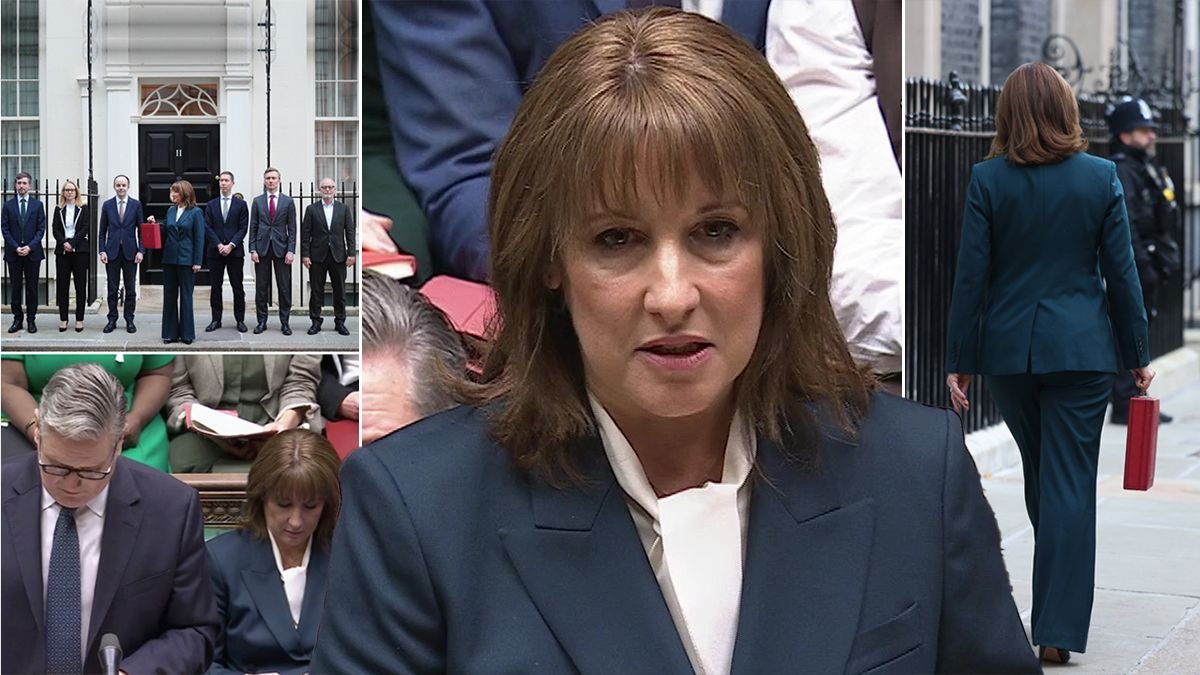

Rachel Reeves has announced a £26 billion annual increase in taxes in a Budget that was leaked just before its official release.
The Chancellor introduced a new mansion tax affecting properties valued over £2 million and confirmed the removal of the two-child benefit limit following pressure from anti-poverty advocates. Additionally, income tax thresholds will be frozen, impacting over 1.5 million employees, while the gambling sector will face new levies. Fuel duty will stay unchanged until the next year.
In a lively House of Commons session, Ms. Reeves defended her decisions, stating they were aimed at creating a fairer and more secure Britain.
The Budget also includes a high-value council tax surcharge on homes exceeding £2 million, affecting approximately 100,000 to 200,000 properties. The levy will range from £2,500 to £7,500 annually, expected to generate around £400 million in revenue for the Treasury per year.
Furthermore, the Chancellor abolished the controversial two-child benefit limit, set to cost the government £3 billion by 2029-30 but projected to reduce child poverty by 450,000.
Notably, the Budget reformed gambling taxes, with a plan to raise £1.1 billion by 2029-30 through increased duties on remote gaming. Rail fares will be frozen for the first time in three decades, benefiting existing passengers with a collective saving of £600 million in the upcoming fiscal year.
Income tax thresholds will remain frozen until 2030, potentially pushing more individuals into higher tax brackets. A new mileage-based charge on electric and plug-in hybrid vehicles is set to commence in April 2028, aiming to raise £1.4 billion for the Treasury.
Moreover, the average household is expected to see a £150 reduction in energy bills starting in April. The Budget also guarantees a boost in the state pension for pensioners, with an estimated increase of around £550 per year from April.
There will be a pay rise for approximately 2.7 million workers from next April, with the National Living Wage climbing to £12.71 per hour for employees over 21. Additionally, national insurance contributions on salary-sacrificed pensions will be imposed, projected to generate £4.7 billion annually.
The government will expand the tax on sugary drinks to combat obesity, and a new tax on overnight stays in accommodations will be introduced to fund regional initiatives. Notably, £300 million will be invested in NHS technology to enhance patient services.
Lastly, the Budget will support the Lower Thames Crossing project and allocate funding for various transportation upgrades, emphasizing continued investment in infrastructure.