
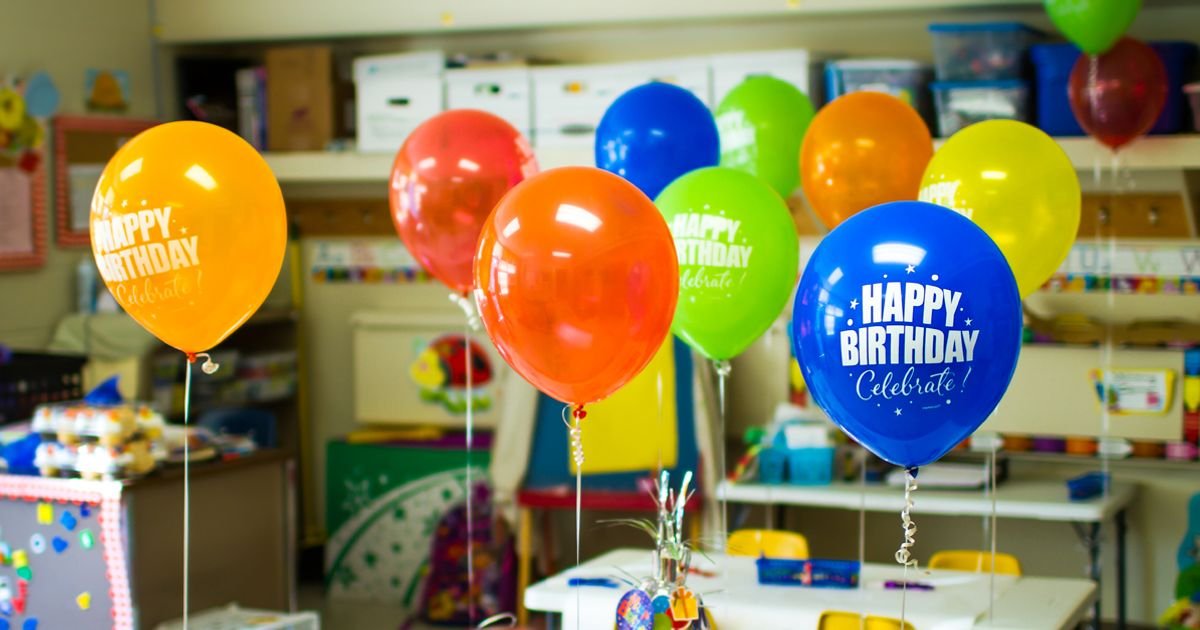

Online retailers such as Debenhams and eBay have been found selling party balloons that contain illegal levels of cancer-causing chemicals. Tests conducted by consumer group Which? revealed that some balloons being sold on these platforms had up to six times the permitted limit of harmful chemicals. The risk arises from direct contact with the balloons, especially when individuals put them near their mouths to inflate them or inhale the fumes.
Which? purchased 21 packs of latex balloons from seven online marketplaces and subjected them to British standard tests to assess the presence of carcinogenic chemicals. Out of the 21 packs tested, eight were found to exceed the UK’s legal limit for potentially carcinogenic substances, indicating that they were being unlawfully sold.
One balloon obtained from AliExpress, a China-based platform rising in popularity in the UK, contained over six times the permissible level of nitrosamines, a type of probable carcinogen. Additionally, balloons sourced from eBay and The Range (also available at Wilko) had more than four times the safe limit of nitrosamines. Another balloon purchased from Debenhams contained more than double the legal amount of nitrosatable substances, which can transform into nitrosamines upon contact with saliva.
Trevor and Lucille Mathers bought balloons from Amazon’s Marketplace in March 2024 for their child’s birthday, only to receive a notification a year later warning them about the high cancer-causing chemical content in the balloons. The balloons were found to contain at least 25 times the legal limit of potentially harmful substances. Concerns were raised about the health risks posed by these substances through ingestion or skin contact. Amazon stated that they promptly removed the balloons from sale upon notification.
Children are particularly vulnerable to the effects of carcinogens as their bodies are still developing and may struggle to metabolize these chemicals efficiently, leading to potential harm. Natalie Hitchins, a Which? representative, recounted her experience with balloons bought from Shein for her son’s birthday, noting strong chemical odors and adverse physical reactions while inflating the balloons. Tests confirmed that the balloons contained more than double the permitted level of nitrosamines.
Sue Davies, head of consumer protection policy at Which?, expressed outrage over the exposure of children to high levels of carcinogens, emphasizing the importance of strict safety standards for products like party balloons to prevent severe health consequences.
Which? advised consumers to look for balloons marked with CE/UKCA symbols, indicating compliance with health, safety, and environmental regulations. While acknowledging the potential for counterfeit marks, Which? recommended using a pump to inflate balloons to avoid mouth contact and suggested that adults should handle balloon inflation for children under eight years old.
The companies involved in the tests emphasized their commitment to customer safety. AliExpress, Debenhams, eBay, and Shein all took immediate action to remove flagged products from their platforms upon notification. Wilko, after independent testing in June 2025, recalled the balloons as a precautionary measure despite initial safety assurances.