

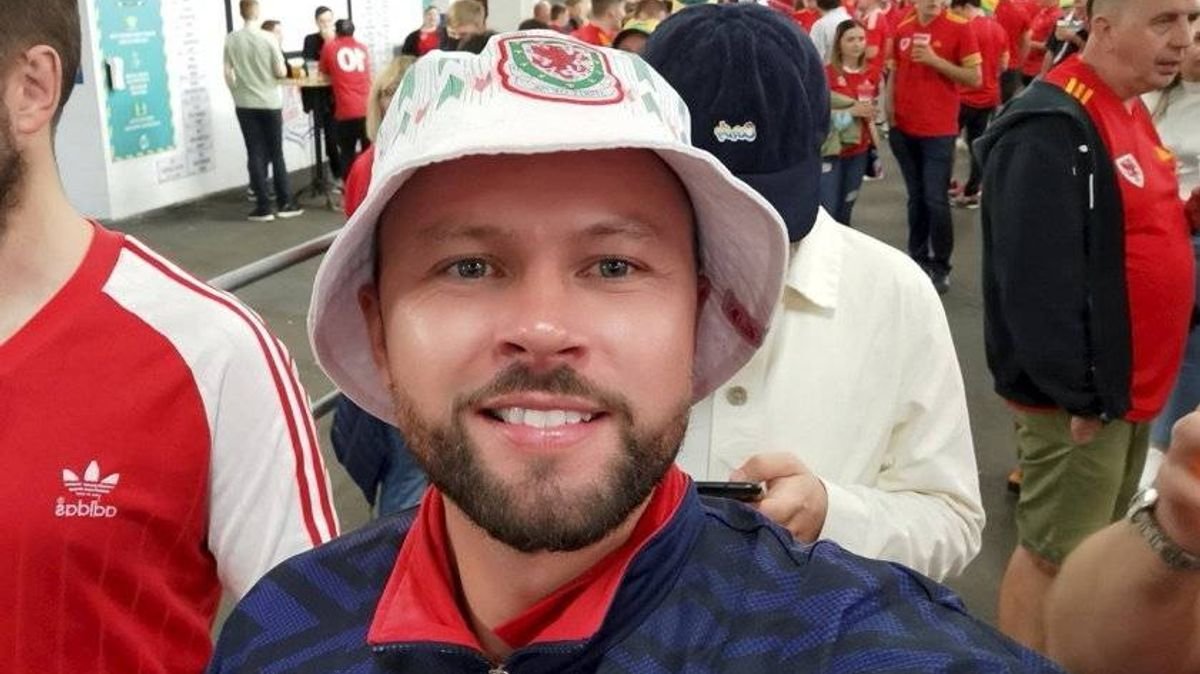

A man’s arm experiencing a tingling sensation led to a concerning discovery of a debilitating illness. Matt Collins, aged 38, found himself at Prince Charles Hospital in Merthyr Tydfil in October 2023 after suddenly losing mobility in his left arm during a music festival outing with his partner.
Following medical examinations, doctors identified a glioblastoma, the most aggressive form of brain tumor, giving Matt a prognosis of 12 to 18 months. Prior to his diagnosis, Matt had been managing anxiety and depression with medication, exacerbated by personal challenges that led him back to his parents’ home in the two years before the health crisis.
Since July that year, Matt had been grappling with intense “thunderclap” headaches and seizures causing him to foam at the mouth. While awaiting an MRI scan for these symptoms, he experienced a stroke. Subsequently, he underwent chemotherapy and is now exploring treatment options abroad.
Reflecting on his journey, Matt, hailing from Aberdare, Rhondda Cynon Taf, shared, “A few days before the stroke, I felt pins and needles, which I initially dismissed. However, when my arm suddenly failed to function, I knew something serious was amiss. The news of having a glioblastoma the size of a golf ball completely altered my world.”
Although Matt had successful surgery to remove the tumor at the University Hospital of Wales in Cardiff in 2023, the tumor has recurred. He recounted, “My MRI in July revealed a recurrence, leading to three more rounds of chemotherapy. Unfortunately, my left arm’s mobility declined again. The recent MRI in November confirmed the tumor’s growth despite treatment, leaving me uncertain about the future.”
While medical advancements continue, charities caution about limited treatment options for brain tumors, a prominent cause of cancer-related deaths in young individuals. The availability of advanced therapies like immunotherapies and specialized trials remains scarce in the UK, prompting many patients to seek private care.
Matt, supported by donors, was able to access DcVax-L, a bespoke vaccine not accessible through the NHS, through private means. His experience underscores the importance of proper tissue storage for effective treatment outcomes.
With treatment options abroad emerging as a consideration, Matt expressed frustration over the disparity in access to innovative treatments compared to other countries. Advocating for enhanced research funding and broader trial access within the UK, experts emphasize the need for fresh-frozen patient samples post-surgery to facilitate future therapeutic advancements.
Highlighting the urgency for increased research investment and improved trial access, experts stress the significance of ensuring patient samples are adequately stored for potential future treatments.